OXI Instruments returns with another Playbook deep-dive, this time unearthing the creative power of the OXI One mkII’s ability to decouple velocity and gate sequences. Through hands-on demonstration, the video shows how manipulating independent looping points for velocity and gate transforms basic drum patterns into complex, evolving grooves. For anyone obsessed with rhythmic detail, this workflow-focused walkthrough reveals the OXI One mkII’s unique approach to step sequencing and groove shaping, offering a glimpse of its architecture and live performance potential.
3. September 2026
LYRA
OXI Instruments: Polyrhythmic Grooves with the OXI One mkII’s Decoupled Velocity and Gate
OXI One mkII: The Sequencer as Groove Architect
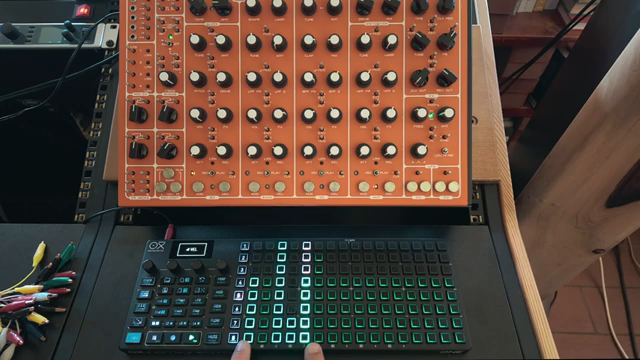
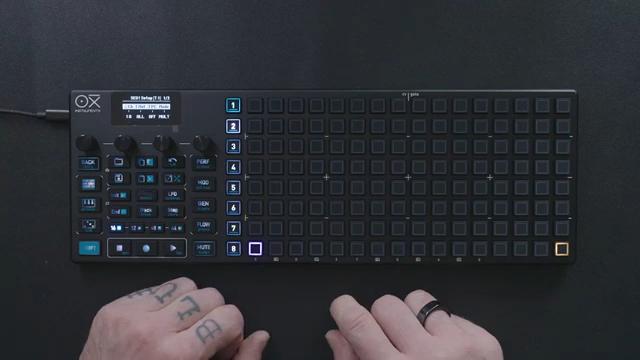
The video opens with a bold claim: what sounds like a completely different pattern is, in fact, the same one—transformed through the OXI One mkII’s sequencing powers. OXI Instruments positions the mkII not just as a step sequencer, but as a creative brain for hybrid setups, with a particular emphasis on hands-on control and rhythm manipulation. The interface is shown in Multi-Track mode, with four tracks running, each easily muted or soloed for focused editing.
What quickly becomes clear is that the OXI One mkII isn’t just about placing trigs on a grid. Instead, it invites users to dig into per-step parameters like velocity and gate, which can be accessed and edited directly via dedicated encoder presses. This workflow supports rapid experimentation, making it easy to move from a basic, mechanical pattern to something far more organic and dynamic—without ever leaving the hardware’s main interface.
Decoupling Velocity and Gate: Polyrhythmic Control
The heart of the video is the OXI One mkII’s unique feature: the ability to decouple velocity and gate values from their respective steps. Instead of a single sequence where velocity and gate are locked together, each parameter can loop with its own independent start and end points. This means users can set, for example, a five-step loop for velocity and a six-step loop for gate, instantly creating evolving polyrhythms from a static step pattern.
This decoupling is not just theoretical—the demonstrator cycles through hat, kick, bass, and a fourth percussive track, setting different loop lengths for each parameter and track. The interface offers immediate visual feedback: active steps are brightly lit, with dimmer LEDs showing steps that don’t fall on the current loop, highlighting where the rhythmic interplay will shift as loops desynchronize. The result is a groove that constantly changes, even though the underlying notes remain the same.
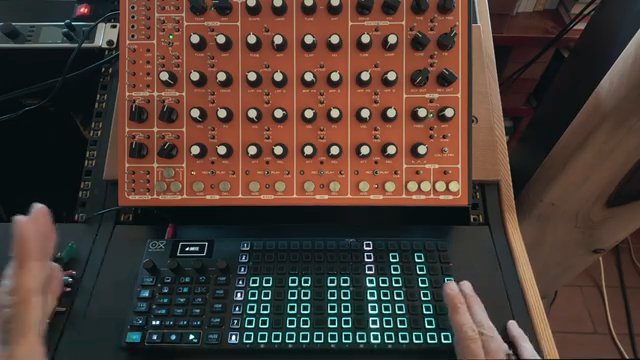
"You can now select the initial and end point of your velocity and gate page."
© Screenshot/Quote: Oxiinstruments (YouTube)
Looping Points: From Static to Evolving Grooves
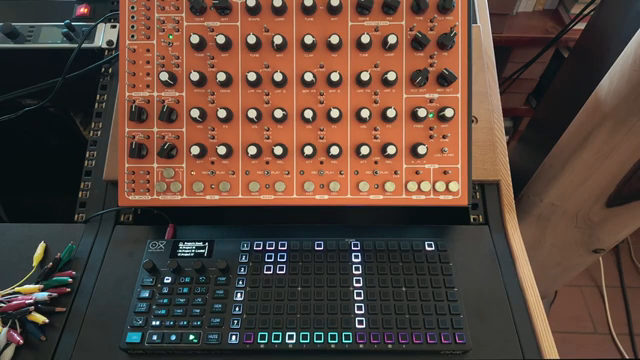
"Same pattern, completely different vibe."
© Screenshot/Quote: Oxiinstruments (YouTube)
A major workflow highlight is how the OXI One mkII lets each track’s velocity and gate loop over different numbers of steps, radically reshaping the groove. The video demonstrates how starting with a basic drum pattern, then setting, for example, velocity to 12 steps and gate to 9 or 5, immediately produces complex, off-kilter rhythms. The system encourages trial and error: the demonstrator saves different versions, toggles between them, and compares the original static groove to its transformed variants.
Layering these polyrhythmic sequences across multiple tracks, including kick, hat, bass, and a fourth percussive sound, yields grooves with shifting accents and unpredictable feel. The process is hands-on and iterative—users are encouraged to experiment, listen, and save their favorite permutations. The ability to recall and compare variations in real time speaks to the OXI One mkII’s strong performance and sketching focus.
Groove Per Track: Microtiming and Beyond
In the final stretch, the video spotlights the groove settings, which can be applied independently per track. This feature allows further microtiming tweaks, beyond what velocity and gate decoupling alone can offer. The demonstrator applies different groove patterns—such as the Quinta Loca preset—to individual tracks, introducing humanized swing and nuanced timing variations on top of the already polymetric sequences.
This layering of groove, velocity, and gate manipulation results in sequences that feel both meticulously constructed and playfully organic. The OXI One mkII’s workflow lets users quickly save, recall, and iterate on these complex grooves. The conclusion hints at the broader creative potential, suggesting that these techniques work just as well for melodic content, and teasing future explorations. For groove-centric producers and live performers, the OXI One mkII’s approach to rhythmic sequencing stands out as both deep and immediately playable.
This article is also available in German. Read it here: https://synthmagazin.at/oxi-instruments-polyrhythmische-grooves-mit-entkoppelter-velocity-und-gate-im-oxi-one-mkii/
More articles about these products:
 OXI Instruments OXI One mkII: Mod Lanes Unleashed
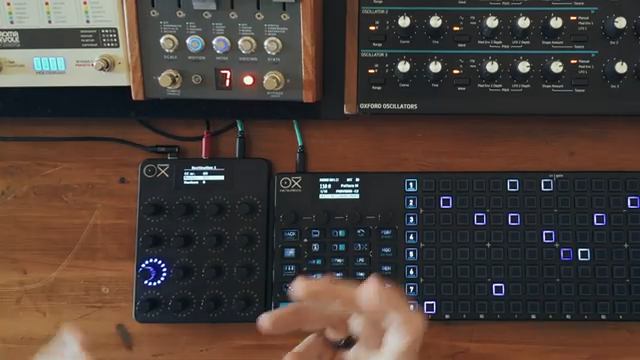 OXI Instruments E16: Dual MIDI Destinations Demystified
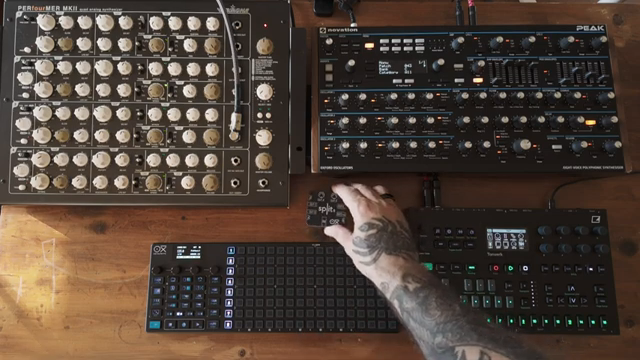 OXI Instruments: Architectural MIDI Connections with the OXI ONE MKII
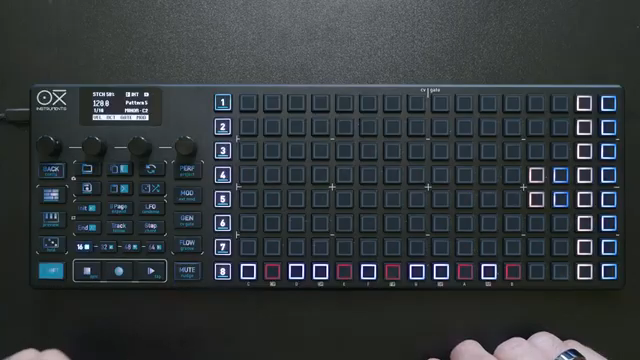 OXI Instruments Reinvents Sequencing: Stochastic Mode on the OXI One MKII
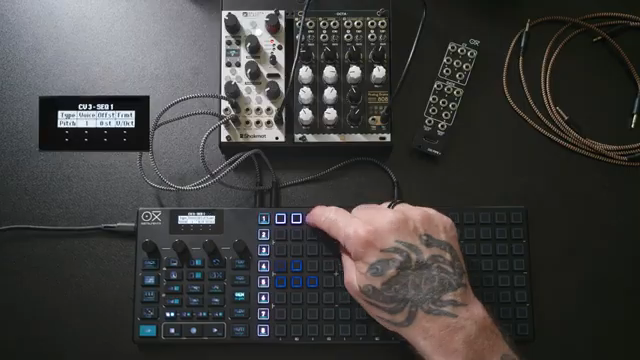 OXI Instruments OXI One MKII: CV & Gate Wizardry for Modular Setups
 OXI Instruments: Saga Mode on the OXI One MKII – Escaping the Grid with Nigrán 2.0
 OXI Instruments OXI One MKII: Modulation Lanes Unleashed
 OXI Instruments OXI One MKII: Multitrack Mode as the Heart of Hybrid Sequencing
 OXI Instruments OXI One MKII: Multitrack Mode Unleashed
 OXI Instruments OXI One MKII: Pattern Navigation Reimagined
 OXI Instruments OXI One MKII: Architecting Inspiration with the Random Generator
 OXI Instruments OXI One MKII: Accumulators Unleashed
Watch on YouTube:
Latest articles
Watch on YouTube:
Visit the channel:
https://www.youtube.com/oxiinstruments
https://www.youtube.com/oxiinstruments
Links from oxiinstruments:
website: https://oxiinstruments.com
instagram: https://www.instagram.com/oxiinstruments
facebook: https://www.facebook.com/oxiinstruments/
support: https://oxiinstruments.com/support
Sponsored links:
If you purchase via these links, we may earn a small commission – at no extra cost to you. The link opens an Amazon keyword search, and results may vary depending on availability.
OXI ONE MKII
🔗 Check price on Amazon
🔗 Check price on Amazon