10. November 2026
Ableton Live: More clarity doesn’t have to mean more width
10. November 2026
Starsky Carr Unleashes the Bullfrog Mixer: Not Just for Kids
9. November 2026
The Unperson Gets Wiggly: PlayFader Rev 2 Unleashed
8. November 2026
DOOM OS on the SP-404: More Freedom, More Second-Guessing
8. November 2026
M-VAVE FM-1: The Community Rewrites the Sound
8. November 2026
Sanjay C’s Studio Desk: From Cable Noodles to Flock-Driven Flow
7. November 2026
“The Final Countdown”: Sawtooth Alone Isn’t Enough
7. November 2026
Echon 6: When Six Voices Go Their Own Way
7. November 2026
UDO Audio DMNO: External Audio Patching and Sonic Alchemy
6. November 2026
4ms Mesa: When Reverb Takes Over the Bassline
13. November 2026
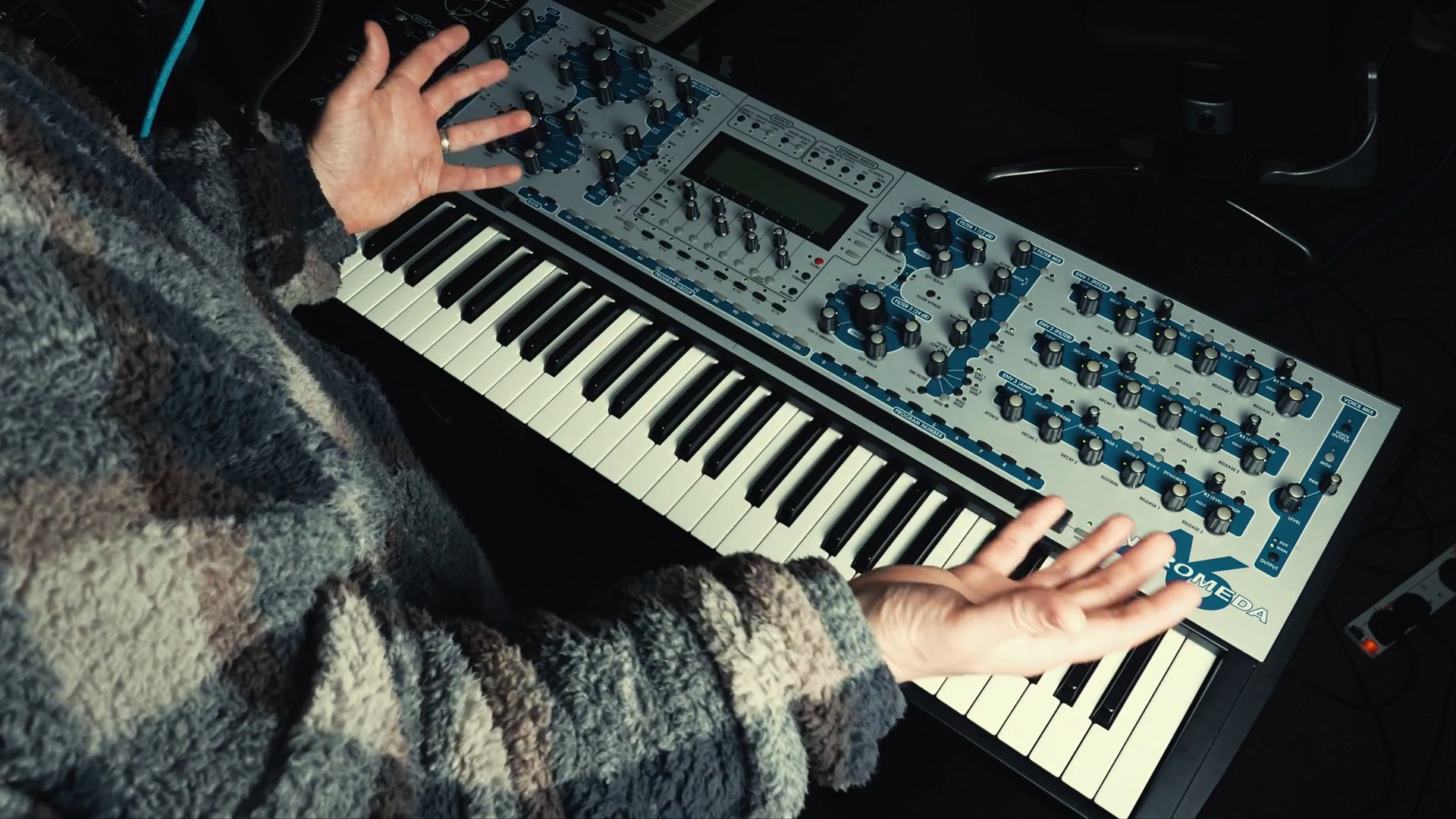
Alex Ball shows why Alesis’ Andromeda A6 felt so unusually modern in 2000: 16 analog voices, but an ambition far beyond retro imitation. synth4ever demonstrates sonic experiments with filter feedback, Vulture Culture even finds appeal in the software emulation. The A6 becomes exciting where sound design matters more than the right technical creed—and not every quirk of the original has to be sacred.
13. November 2026
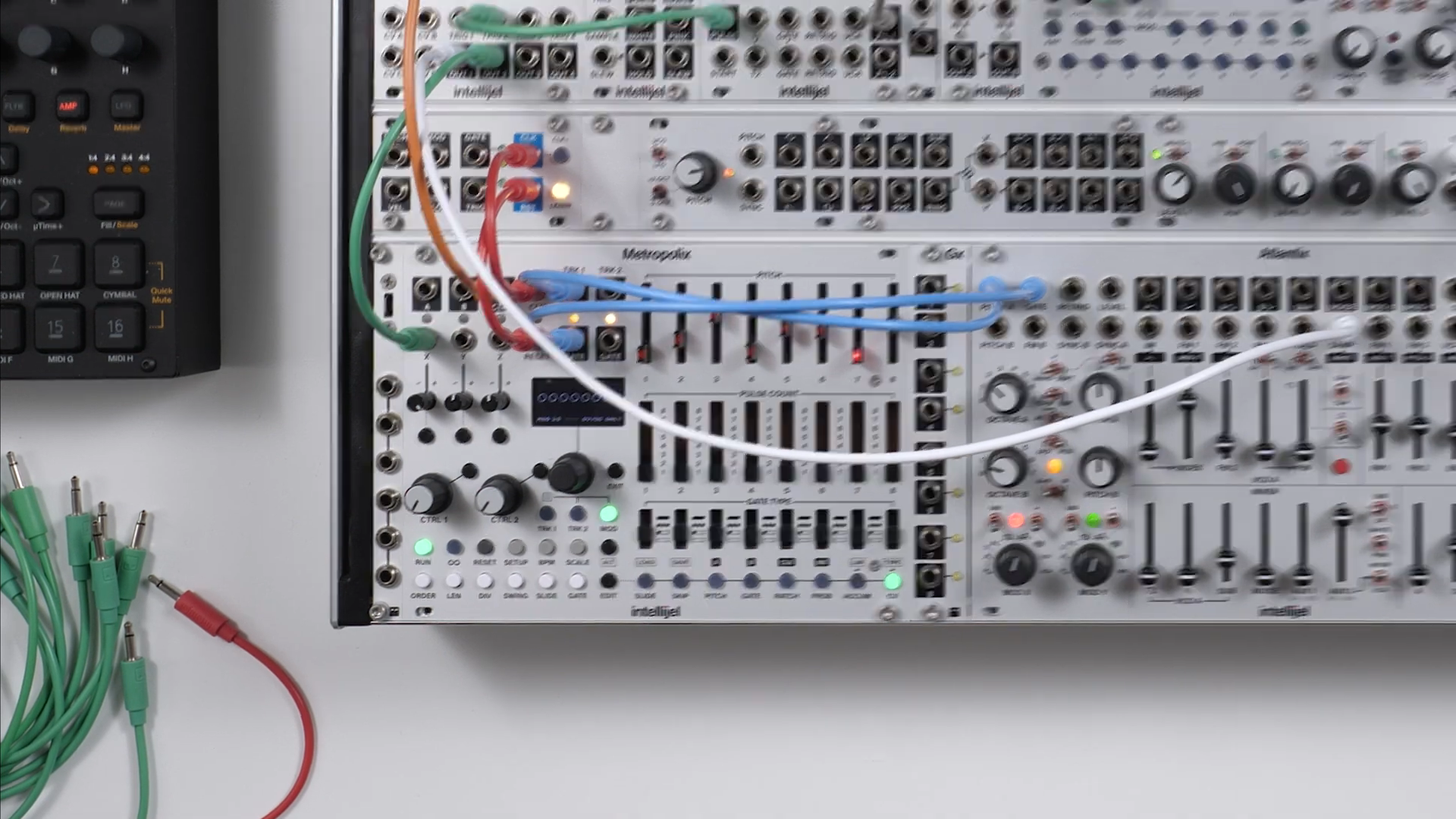
Metropolix: Eight Steps, But Far From the End
MILES
A good eight-step sequence doesn’t necessarily need new notes. Intellijel shows how external envelopes can coax occasional octave jumps and small fills out of the Metropolix without rewriting the basic pattern. The most revealing part is the fine-tuning: what matters is how quickly the familiar figure returns. Melvin from Optoproductions finds further ways with a related software sequencer to draw more musical coherence from minimal source material.
13. November 2026
Akai Professional Pushes Boundaries with MPC 3.10.1 Update
LYRA
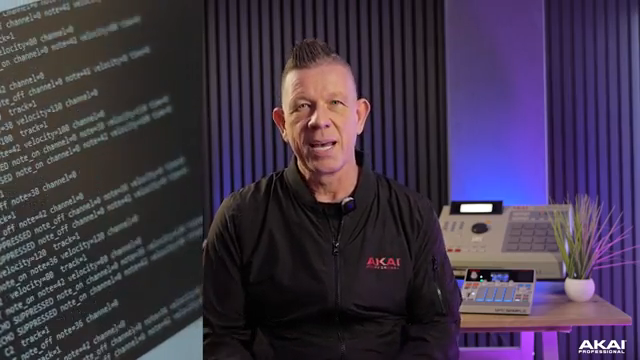
Akai Professional’s latest MPC 3.10.1 update signals another leap in standalone music production. This manufacturer video walks through the fresh capabilities, focusing on how producers can unlock new creative workflows. From custom plugin integration via the SDK to track and plugin expansions, Akai’s approach is targeted at modern producers who crave flexibility and power. We break down each update highlight, emphasizing what’s actually shown and what these enhancements might mean for studio and stage environments.
12. November 2026
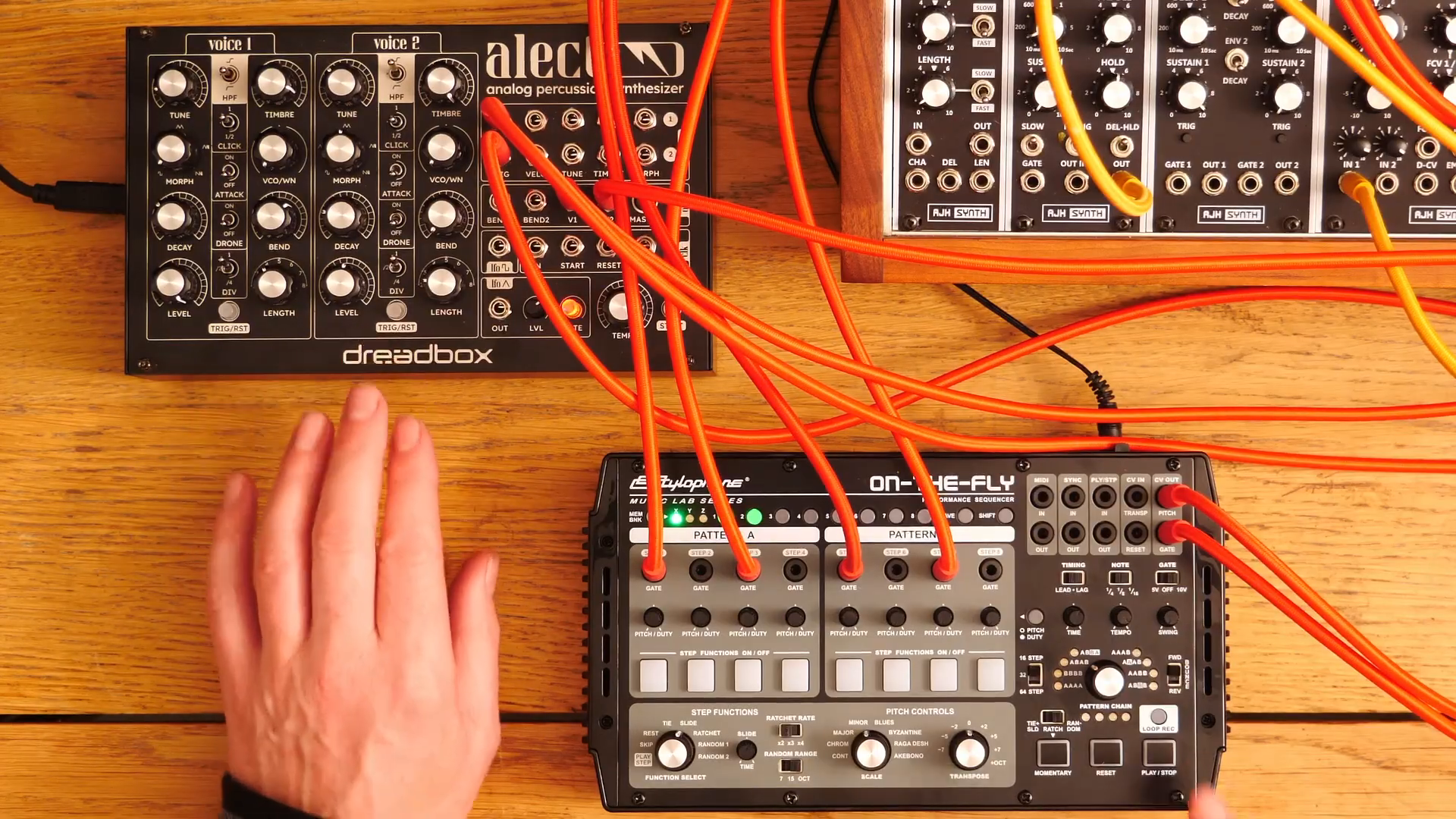
Stylophone On-The-Fly: When the Hi-Hats Can’t Keep Up
ZAPP
Two four-step patterns, plenty of hands-on options, and suddenly hi-hats that are too slow: Starsky Carr encounters an open sync question with the Stylophone On-The-Fly. Molten Music Technology and a Sonicstate demo show other ways to integrate the sequencer. For your own setup, it’s worth distinguishing: clock rate, timing offset, and a shared sequence start are not the same thing.
12. November 2026
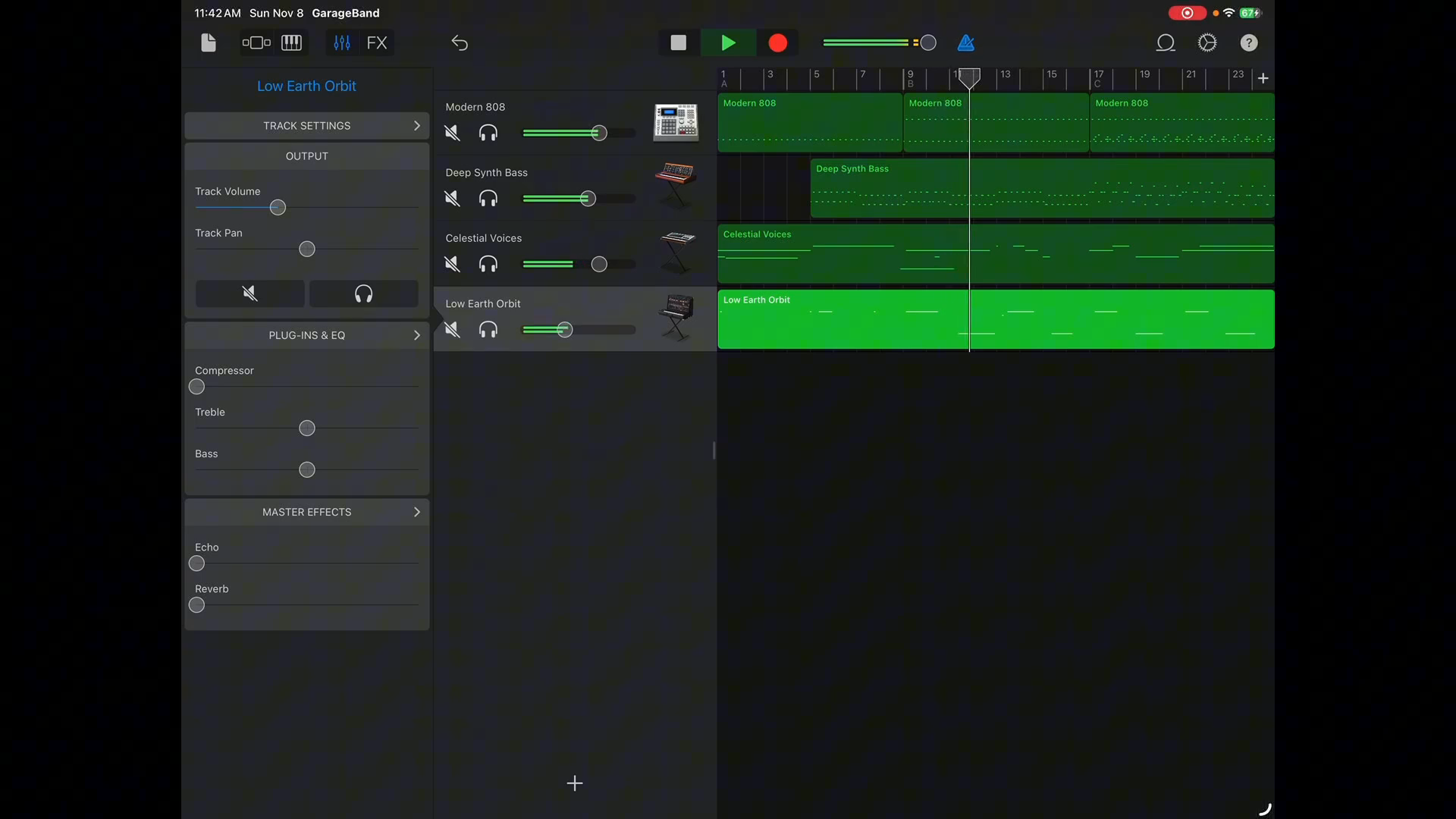
Just an iPad: GarageBand between Glass and Groove
RAUMKLANG
An iPad Pro, GarageBand, and no extra gear: Defmod Network uses this to build an electronic dance sketch. What’s interesting is not just what the app provides, but which musical decisions working on a touchscreen encourages. A look at sonicstate’s early string demo and Sanjay C’s ROLI session on Mac shows why extra hardware is neither a prerequisite nor mere luxury.
12. November 2026
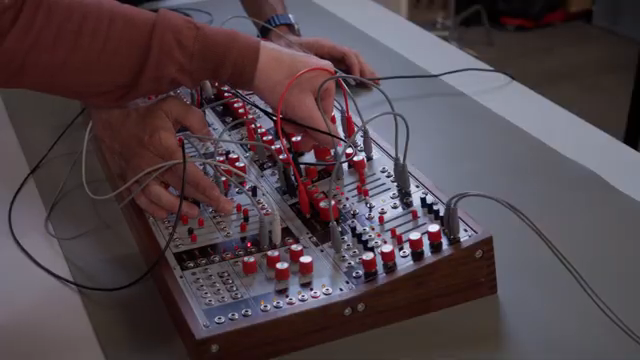
Verbos Electronics: Inside the Haas Zone Processor – Design, Function and Patchcraft
Verbos Electronics pulls back the curtain on the Haas Zone Processor in a technical sit-down with Mark Verbos and Colin Fraser of Sequentix. The duo dissect the module’s design philosophy and signal flow, before diving into its unique approach to stereo field manipulation. Rounding off with a hands-on patch session, the video gives a taste of how this module might weave into a modular rack, sparking ideas for experimental sound sculptors and live performers alike.
11. November 2026
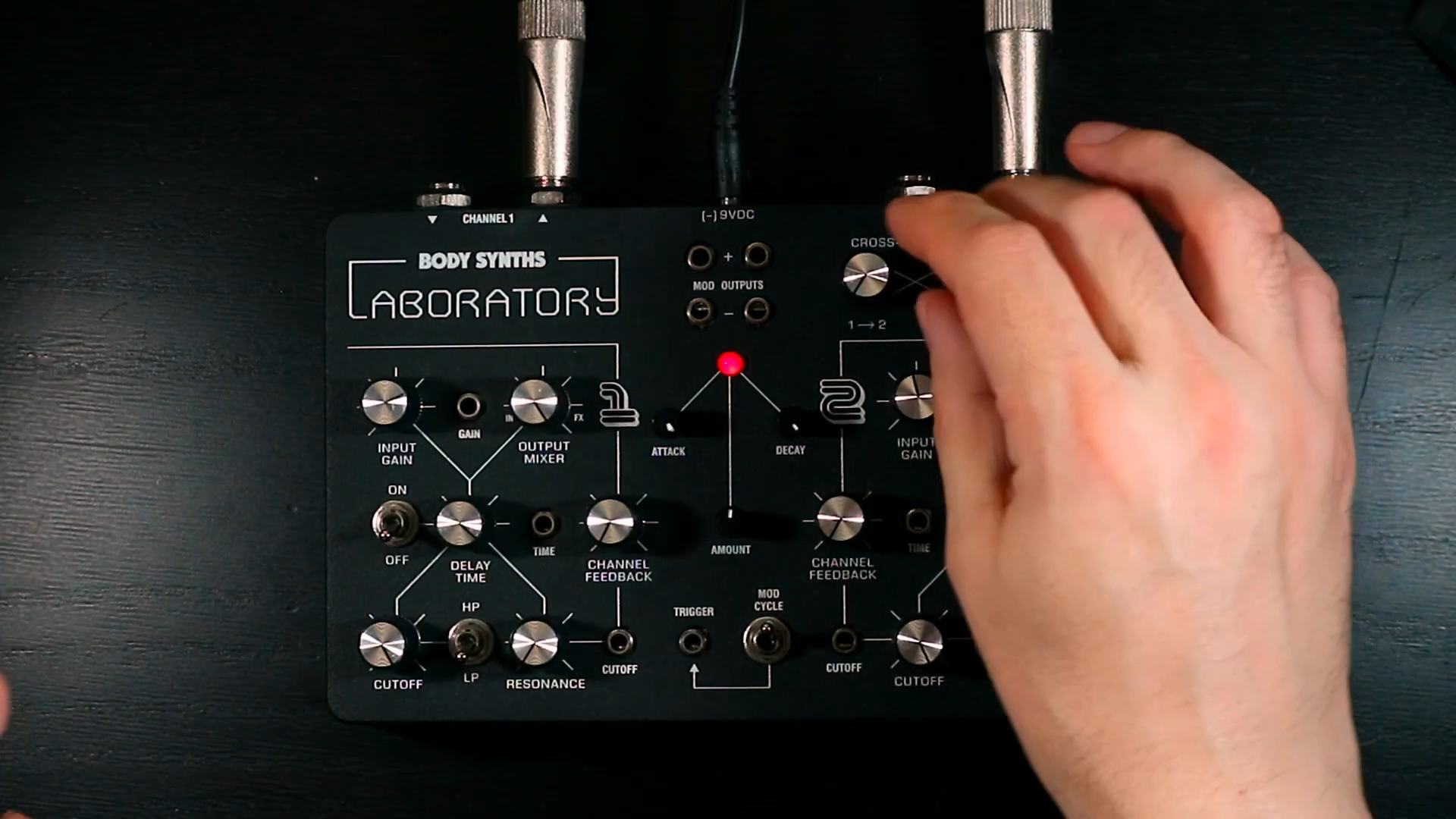
Body Synths Laboratory: When the Effect Becomes the Instrument
No input signal, yet plenty to talk about: Oscillator Sink explores the Body Synths Laboratory as a standalone source for noise and drone. DivKid plays its filters like two oscillators and shows how precisely signals can be sent into the feedback paths. In between lies an intriguing design question: How much control does an instrument need when its appeal lies precisely in unstable behavior?
11. November 2026
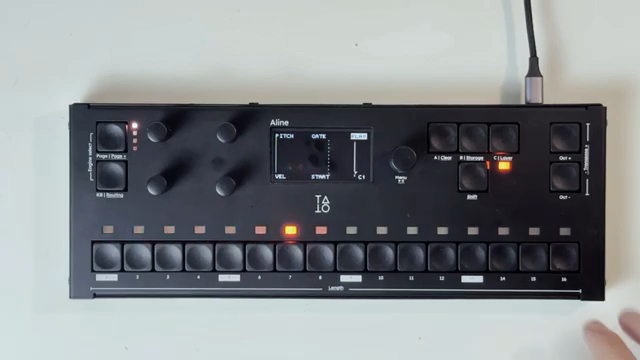
TATO Aline Firmware 2.0: Sequencing Evolved
With the release of Firmware 2.0, TATO’s Aline steps further into the creative sequencing arena. This update brings a trio of workflow-shifting tools: MIDI CC sequencing for external gear, microrhythmic swing for more nuanced timing, and a probability-driven modulation system. TATO, a Brazilian hardware maker known for its minimal but powerful devices, now pitches Aline as not just a pattern player, but a dynamic performance tool. Let’s break down what’s actually new, and how these features could reshape your sequencing strategies.