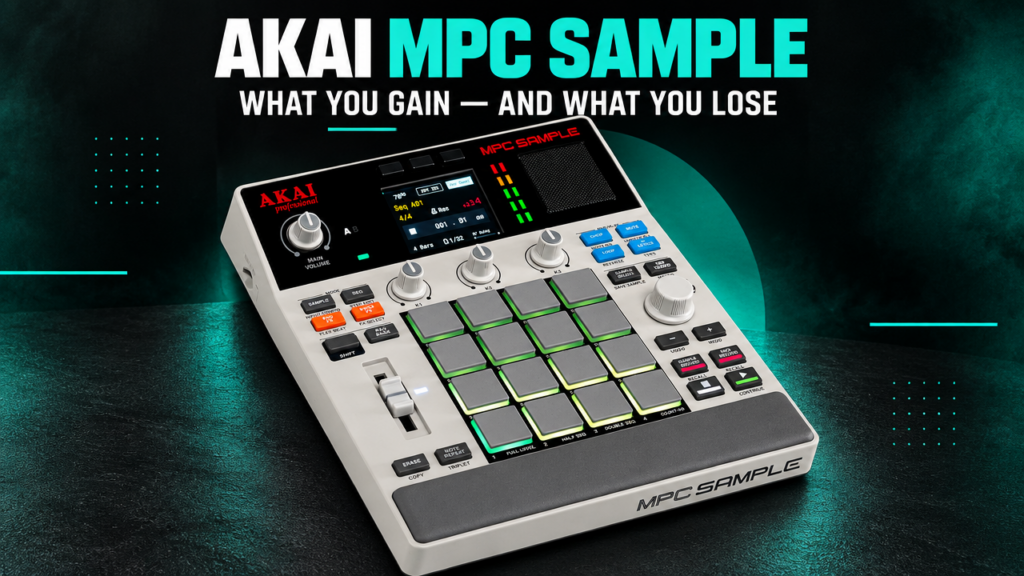
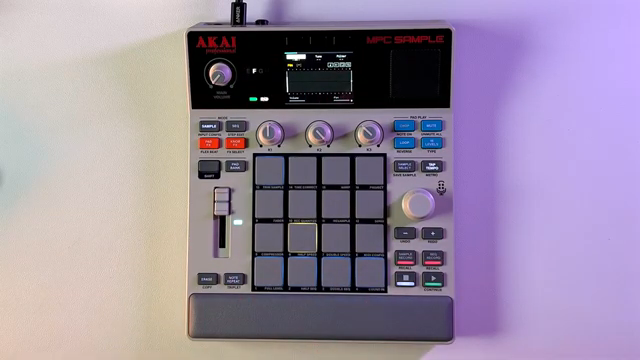
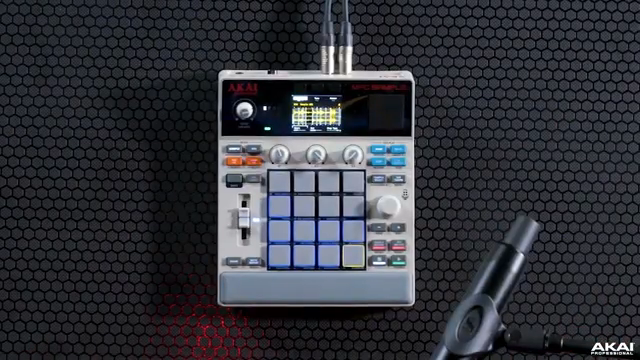
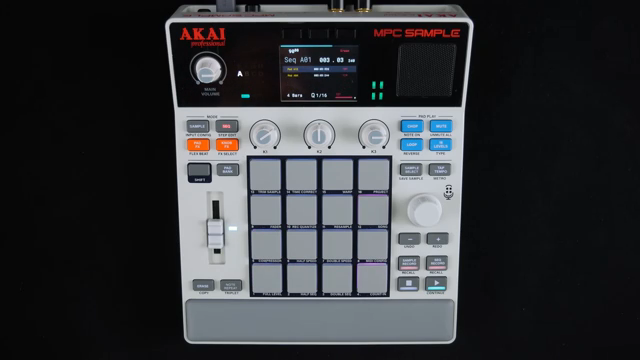
Akai MPC Sample puts recording, chopping, pads and fast beatmaking ahead of a full production environment. We examine what its stripped-down workflow gains, where the sequencer and deeper features fall short, and who benefits from this compact MPC.
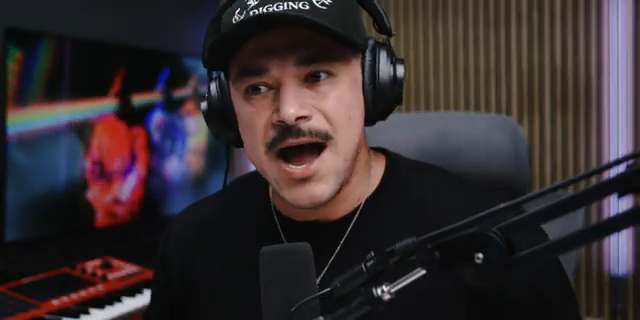
Ever thought the MPC Sample might be your shortcut to beatmaking bliss? Sunwarper, the LA wizard of warped electronics, lays down five cold truths every buyer should know. From slick sample chopping to head-scratching workflow quirks, he pulls back the curtain on what it’s really like to live with this budget banger. If you’re after streetwise advice and honest banter—plus a peek at why those pads hit like a crate of vinyl—this one’s for you. Pour a cheap beer and dig in.
At Guitar Center’s LA BeatLab, Akai Professional’s Andy Mac presents a deep-dive into the MPC Sample, aiming to demystify beatmaking for those without a background in music theory. This session is all about accessible creativity, as Andy guides viewers through sample chopping, intuitive pad workflows, and performance tools that streamline the process from idea to finished beat. The focus stays firmly on hands-on control, user interface minimalism, and the flexible, experimentation-driven nature of the MPC Sample. For anyone curious about how modern Akai design translates to real-world workflows, this demonstration is a revealing look behind the pads.
TAETRO dives into the MVAVE FM-1, a titchy FM synth that claims to shove classic DX7 sounds into your palm. Think you can ignore it? Think again. We check if this pint-sized box is a studio secret weapon or just another plastic pretender. Expect sharp opinions, quick-fire patching, and a few curveballs—because this is not your granddad’s FM demo.
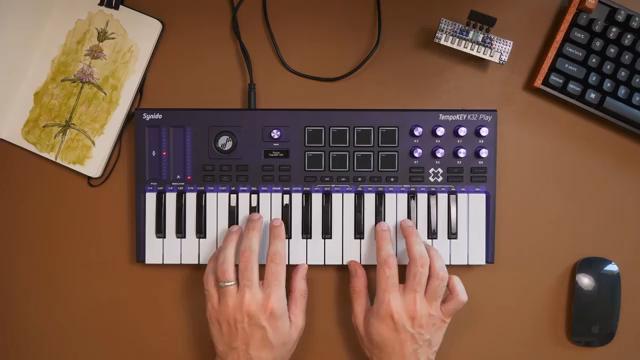
Ever had a day where your beats are flatter than a day-old soda? TAETRO takes us on a real talk journey—stumbling through uninspired loops with the MPC Sample and TempoKEY K32 Play, grinding until that perfect groove finally lands. It’s not all wins and highlight reels; this video is a front-row seat to the messy, honest hustle of beatmaking. If you’ve ever wanted to see a real beatmaker’s struggle (and maybe snag a clever hack or two), this one’s for you. Grab your headphones and let’s get gritty.
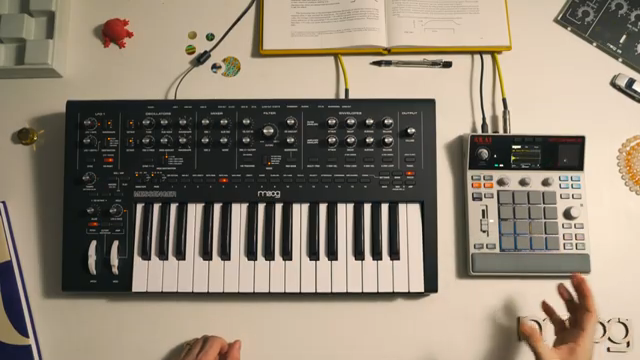
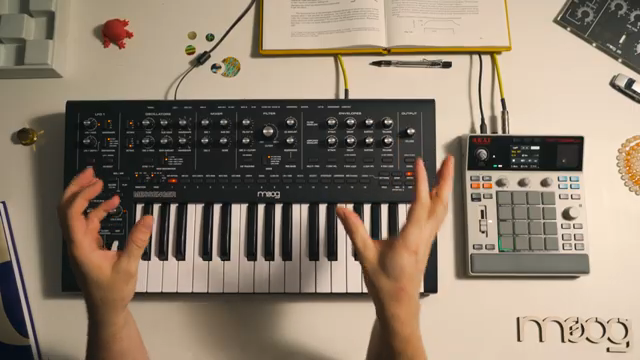
Moog Music steps into digital territory by pairing the monophonic Messenger synth with the Akai MPC Sample, showing how classic analog tones can be sampled, edited, and layered to create intricate drum beats. This official walkthrough delivers a practical look at capturing, trimming, and tweaking Messenger sounds in the MPC Sample, highlighting the strengths of this focused hybrid rig. While the Messenger provides analog character, the MPC Sample brings rapid sampling and arrangement capabilities to the table—an approach that feels both classic and forward-thinking.
Moog Music’s official channel kicks off a new series exploring the synergy between their Messenger analog monosynth and the Akai MPC Sample. This video focuses on pushing monophonic synthesis to new creative heights by layering, sampling, and arranging drum sounds. The Messenger’s analog voice is sculpted into a deep library of percussive elements before those sounds move into the MPC’s digital domain. As Moog demonstrates, combining classic hands-on synthesis with modern sample-based workflow can dramatically amplify a focused rig’s creative potential.
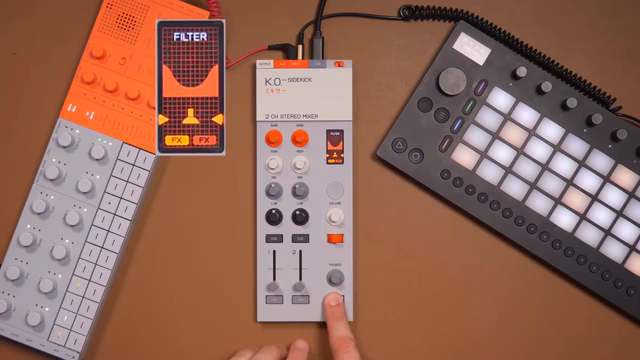
TAETRO doesn’t mess about, and neither does the Teenage Engineering Sidekick. In this whirlwind breakdown, he gets right to the point: a tiny box promising to end your portable setup headaches. Expect straight talk about why he bought it immediately, how it handles a mess of gear, and why its effects workflow might be the new secret sauce for live rigs. If you crave a mixer that’s more pocket rocket than plastic paperweight, TAETRO’s unfiltered take is your ticket. But fair warning: after watching, your current mixer might start collecting dust.
AudioPilz is back in the Bad Gear bunker, and this time he’s got his hands on the Akai MPC Sample—a pocket-sized groovebox that’s got more in common with a Swedish design catalogue than your dad’s MPC 2000XL. If you thought Akai couldn’t get any cuter or more minimal, think again: this little beast looks like it wants to make beats on your coffee table, your flight tray, and your last nerve. With a tongue-in-cheek review, AudioPilz cuts through the toy-like sheen to ask if this thing’s got teeth or if it’s just a plastic poser. Spoiler: it’s a bit of
MALO BEATS dives into the MPC Sample and tears up the myth that all MPCs are created equal. If you’re sick of fiddling through endless menus and want fast, surgical sample chops, this video’s your rave bunker. MALO’s style is all about getting to the good stuff without the fluff – direct, hands-on, and ready for a beat battle. He breaks down why this little grey box might just be the street weapon your arsenal’s missing, especially if you value workflow over firmware drama. Don’t expect a bedtime story – this is for producers who want to move quick, chop
If you purchase via these links, we may earn a small commission – at no extra cost to you. The link opens an Amazon keyword search, and results may vary depending on availability.