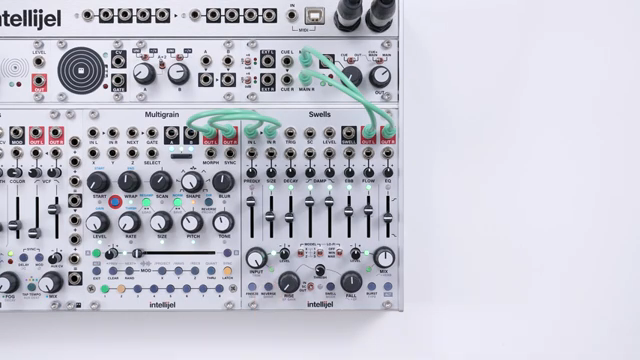
Intellijel’s Swells module returns for the third act of its video manual saga, this time zooming in on the momentary effects and the nuances of TRIG input assignment. With a focus on Freeze, Reverse and Burst, the brand’s canonical clarity shines through, showing how these transient FX can morph a reverb tail from subtle shimmer to chaotic noise. The video also delves into creative trigger routing and the newly revealed send/return mode, expanding Swells’ utility for those patching outside the usual inline effects path. As ever, Intellijel’s approach is practical, modular-focused, and brimming with patch inspiration for the volt-hungry masses.
5. June 2026
MILES
Intellijel Swells: Momentary FX, TRIG Magic and Routing Revelations
Swells in Focus: A Versatile Reverb with Modular Tricks
Intellijel presents Swells as more than just a simple reverb module—here, it’s framed as a creative hub for transient manipulation and signal warping. The video’s introduction sets the stage by highlighting Swells’ momentary effects and flexible TRIG input assignment, implying a design philosophy that’s both performance-oriented and ripe for experimental workflows.
The focus on firmware currency is a subtle reminder that Swells is a living device, benefiting from ongoing updates. This ethos fits right in with Intellijel’s reputation for practical, modular-focused tools that evolve with user needs. From the outset, viewers are promised a deep dive into features that invite hands-on exploration and patching beyond the obvious.
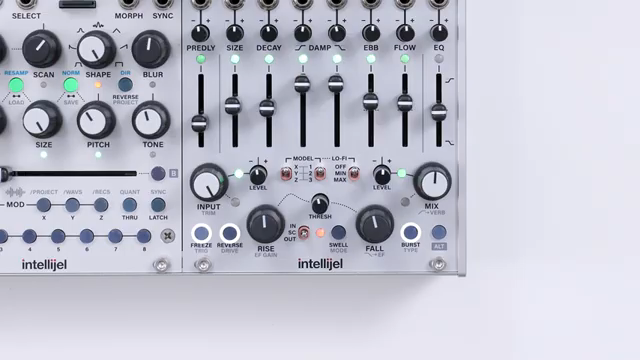
"They can be momentarily activated, latched on or externally triggered to add some interesting new flavours to your reverb."
© Screenshot/Quote: Intellijel (YouTube)
Momentary FX: Freeze, Reverse and Burst Unleashed
"Burst is an effect that introduces noise into the reverb path."
© Screenshot/Quote: Intellijel (YouTube)
The core of the video demonstrates Swells’ trio of momentary effects—Freeze, Reverse, and Burst—each offering a unique sonic twist. Freeze holds a slice of incoming audio, feeding it into the reverb for textures that can be tweaked in real time. Notably, users can change settings or even swap reverb models while audio is frozen, introducing the potential for dramatic, evolving atmospheres.
Reverse flips the input to the reverb, with phrase length adjustable via the pre-delay slider—complete with a distinct LED colour cue. Burst, meanwhile, injects noise into the reverb path with five selectable flavours, from classic white and pink noise to velvet and red (pre-delay feedback) variants, plus a silence-inducing “Unburst”. Each effect can be used momentarily or latched, broadening the range of real-time manipulation and performative patching.
TRIG Input Assignment: Custom Control and Clocked Chaos
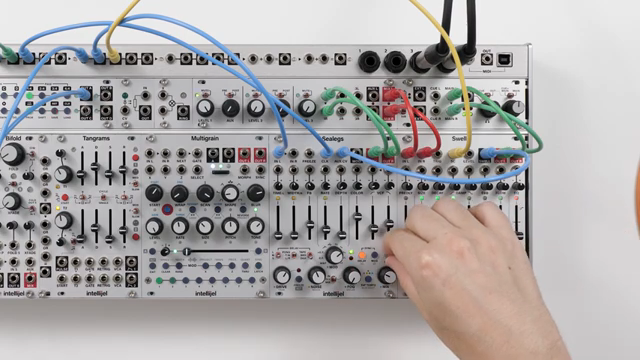
Swells allows users to assign the TRIG input to any combination of momentary effects or the swell generator itself, making it a highly adaptable module in a clocked or performance-driven system. The video walks through patching external gates—such as from the FSR1U or a sequencer—into Swells, then entering the assignment page via the Alt and Trig buttons. From there, it’s a matter of toggling which functions the TRIG will control, enabling intricate trigger-based modulation.
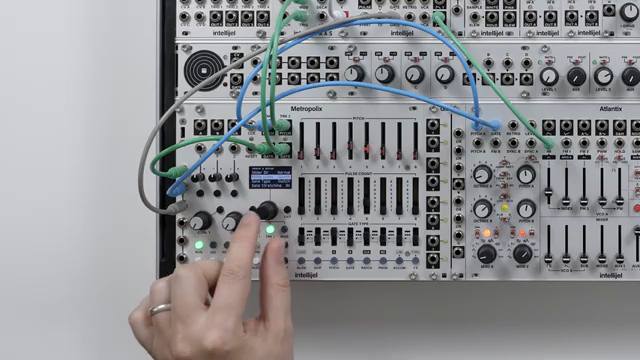
The TRIG input also syncs Reverse’s phrase to an external clock, showcased with Intellijel’s own Metropolis sequencer. By holding the Reverse button and sending clock pulses, users can set reverb reversal to subdivide the incoming clock, opening up a world of time-synced FX. This flexibility is a nod to the modular ethos: everything can be routed, clocked, and abused in the name of creative signal flow.
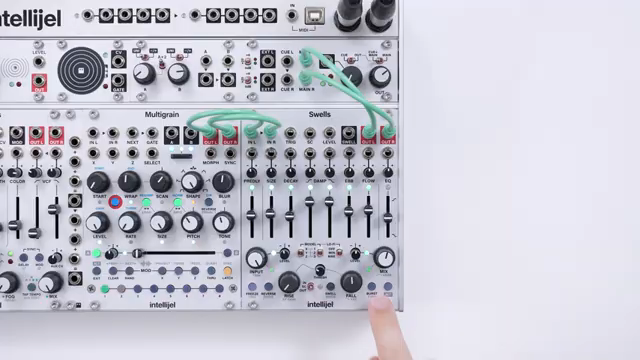
"The Trig input is assignable to momentary effects and swell modulation."
© Screenshot/Quote: Intellijel (YouTube)
Send/Return Mode: Flexible Routing for the Patch-Hungry
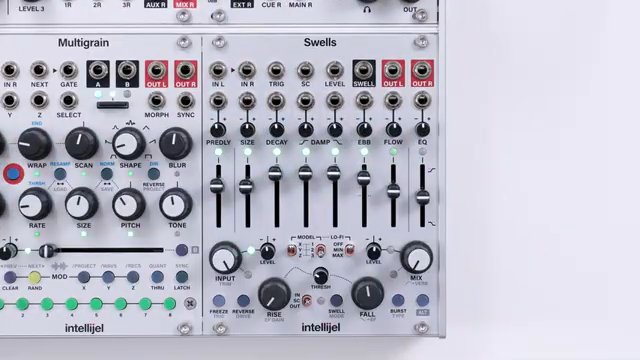
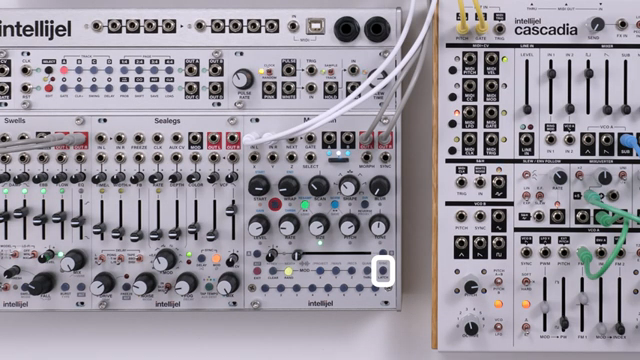
"To switch between these modes, hold the freeze button when booting the module."
© Screenshot/Quote: Intellijel (YouTube)
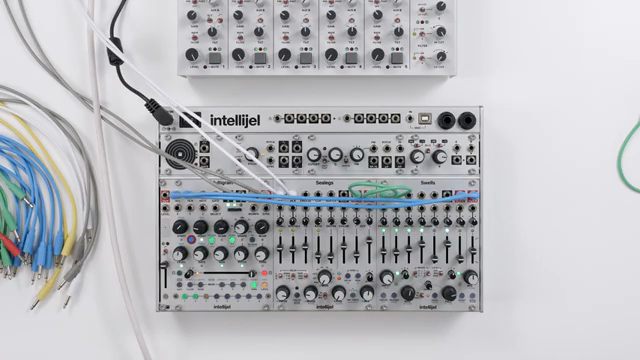
The final stretch of the video introduces Swells’ new send/return mode, a firmware-enabled feature that mutes the dry path and outputs pure reverb. Switching between standard inline and send/return is done by holding the Freeze button during boot, with LED colours indicating the current state. This is a classic utility upgrade for those who prefer to process reverb on an aux bus or need more flexible gain staging.
To demonstrate, the video patches Multigrain into an aux return chain, feeding Swells and routing the wet signal back into the mix. The mix knob becomes an output level control in this mode, while all other functions remain intact. This approach broadens Swells’ appeal, allowing it to slot into more complex, performance-oriented modular rigs where routing and gain structure can make or break a patch.
This article is also available in German. Read it here: https://synthmagazin.at/intellijel-swells-momentane-effekte-trig-magie-und-routing-offenbarungen/
More articles about these products:
 Patch Alchemy: Intellijel Brews Dub in Eurorack
 Intellijel’s Techno Rumble: Swells, Plonk and Modular Mayhem
 Intellijel Multigrain: Granular Resampling Mayhem in Eurorack
 Intellijel Multigrain: Granular Delay Tactics in a Modular Playground
 Underdog Electronic Music School Chains Sequencers For Infinite Techno Mayhem
Watch on YouTube:
Latest articles
Watch on YouTube:
Visit the channel:
https://www.youtube.com/intellijel
https://www.youtube.com/intellijel
Links from intellijel:
website: https://intellijel.com
forum: https://forum.intellijel.com
instagram: https://instagram.com/intellijel
facebook: https://www.facebook.com/intellijel
Sponsored links:
If you purchase via these links, we may earn a small commission – at no extra cost to you. The link opens an Amazon keyword search, and results may vary depending on availability.
FSR1U
🔗 Check price on Amazon
🔗 Check price on Amazon
Metropolis
🔗 Check price on Amazon
🔗 Check price on Amazon
Multigrain
🔗 Check price on Amazon
🔗 Check price on Amazon
Swells
🔗 Check price on Amazon
🔗 Check price on Amazon