OXI Instruments returns with a deep dive into the OXI One MKII’s Stochastic mode—a sequencing paradigm that swaps traditional step entry for a living, probabilistic ecosystem. Instead of laboriously programming every note and rhythm, users guide generative patterns using probabilities, pitch and rhythm mutation, and a flexible interface. This official walkthrough lays out how the OXI One MKII becomes both a source of evolving music and a powerful idea generator, letting users freeze, capture, and develop happy accidents into structured material. It’s a compelling look at how digital sequencing can blur the lines between composer and machine.
2. July 2026
LYRA
OXI Instruments Reinvents Sequencing: Stochastic Mode on the OXI One MKII
Sequencing as Ecosystem: The Foundation of Stochastic Mode
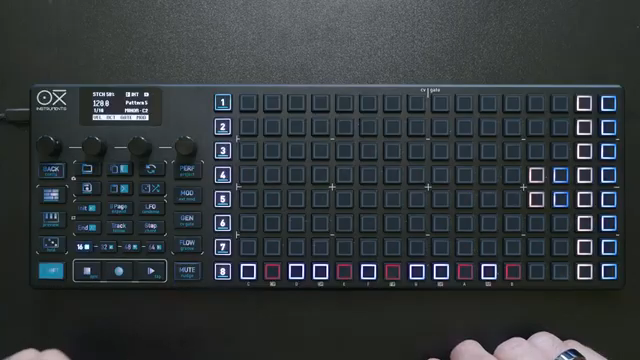
The OXI One MKII challenges the classic step-by-step sequencing approach with its Stochastic mode, pitching the process as more of a guided, evolving ecosystem than manual note entry. Rather than painstakingly placing each note, users set conditions and probabilities, letting the machine continuously generate patterns that morph and grow—almost as if the sequencer itself is improvising within boundaries you define.
What truly sets this apart is the seamless transition from generative exploration to structured composition. When the system spits out a phrase that resonates, it can be instantly captured and transformed into a standard, editable sequence. This workflow bridges spontaneous experimentation and traditional editing, offering a hybrid approach that feels both playful and practical.
"Think of it less as programming and more as guiding a musical ecosystem that evolves on its own."
© Screenshot/Quote: Oxiinstruments (YouTube)
Probabilities, Mutations, and Ranges: Stochastic Mode’s Core Tools
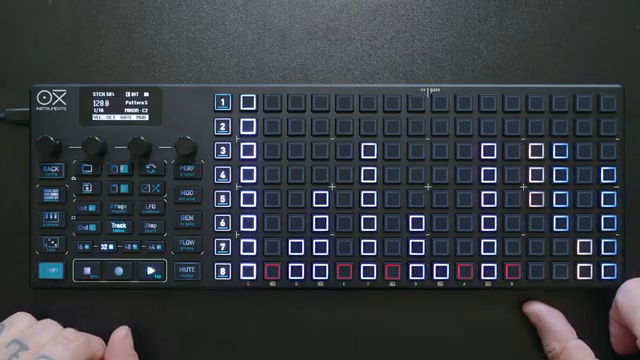
"By tapping on the correspondent column, you set the probability of that notes appear."
© Screenshot/Quote: Oxiinstruments (YouTube)
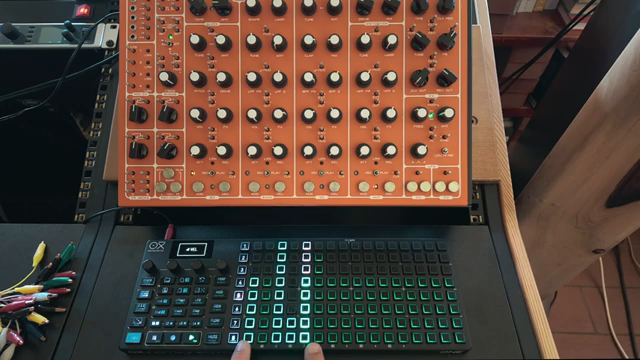
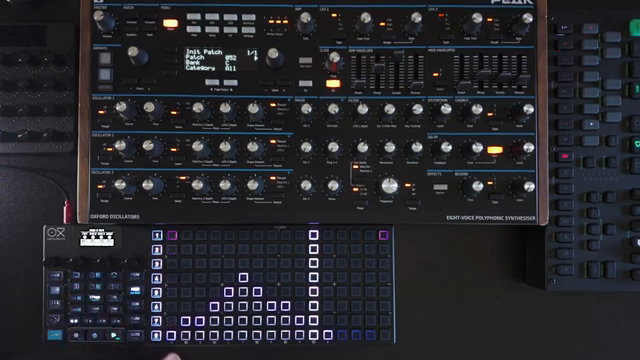
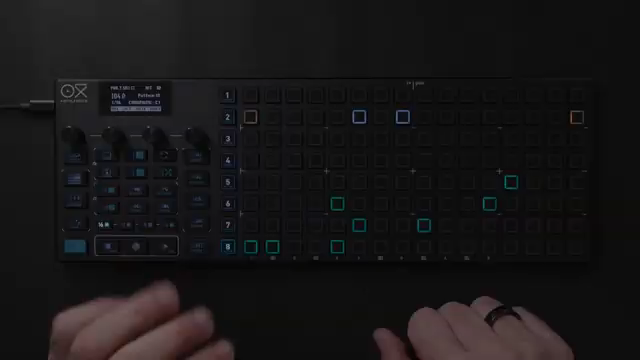
At the heart of Stochastic mode is a reimagined grid interface where columns represent notes, not steps. The probability of each note’s appearance is set by tapping its column—full columns guarantee a note at every iteration, while lower levels yield rarer, more surprising events. The color-coding makes the scale boundaries clear, and the grid’s visual feedback reinforces the probabilistic logic underlying each generated phrase.
But the real generative magic comes from four rightmost columns dedicated to mutation: two control the degree of pitch and rhythm randomization, while the other two define octave and time division ranges. By adjusting these, users sculpt the bandwidth of mutation—subtle variations or wild transformations—while octave and time division ranges expand the melodic and rhythmic palette. The result is an engine capable of everything from hypnotic loops to continually evolving, unpredictable motifs.
Evolving Melodies, Dynamic Rhythms: Interface in Action
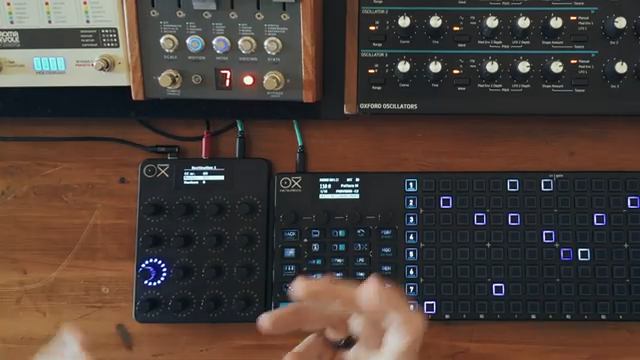
The interface empowers users to draw velocity and gate curves directly onto the grid, injecting dynamic expression into otherwise randomized patterns. By pressing dedicated encoders, these curves become the backbone for evolving melodies, ensuring that even as notes and rhythms mutate, the overall dynamic shape remains intentional. Long gates can introduce glides, allowing for smooth transitions between pitches—a detail that adds another layer of nuance to generative sequences.
Despite the randomness, there’s always a phrase underpinning the chaos. The invisible buffer—defined by pattern start and end points—acts as a container for all generated notes. Users can expand or contract this buffer (e.g., from 16 to 32 steps), and the visual playhead provides orientation, even as the machine is continuously generating rather than merely reading fixed steps.
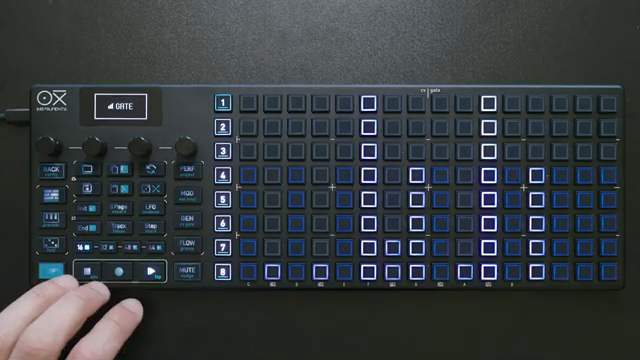
"These make it possible to create evolving melodies that still preserve dynamic and expression."
© Screenshot/Quote: Oxiinstruments (YouTube)
Idea Generator: From Exploration to Structured Material
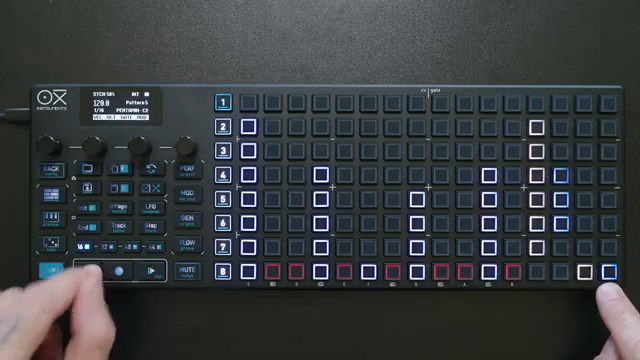
"Then copy the generated phrase into any mono, poly, or multi-track sequencer, and continue developing it like a traditional sequence."
© Screenshot/Quote: Oxiinstruments (YouTube)
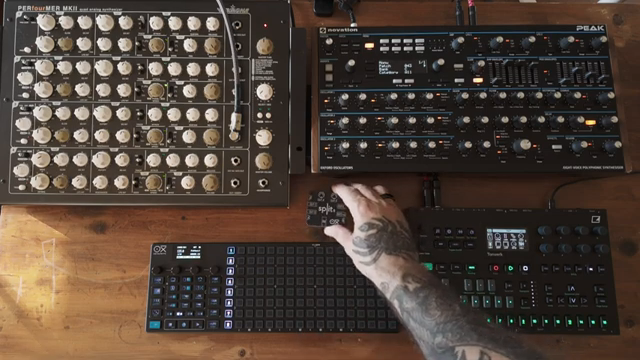
Stochastic mode isn’t just a playground for generative randomness—it’s designed to spark ideas that might never emerge from manual programming. By setting a scale, adjusting note probabilities, and adding touches of pitch and rhythm mutation, users can sit back and listen for happy accidents. When inspiration strikes, a quick freeze of the mutation columns locks in the phrase for immediate capture.
This captured sequence can be copied into any of OXI One’s traditional sequencer modes—mono, poly, or multi-track—for further editing. The workflow transforms the sequencer into an idea machine, bridging exploratory soundscapes with the structure needed for arrangement and performance. It’s a workflow that rewards curiosity and invites repeated experimentation.
This article is also available in German. Read it here: https://synthmagazin.at/oxi-instruments-erfindet-sequencing-neu-der-stochastic-mode-im-oxi-one-mkii/
More articles about these products:
 OXI Instruments: Polyrhythmic Grooves with the OXI One mkII’s Decoupled Velocity and Gate
 OXI Instruments OXI One mkII: Mod Lanes Unleashed
 OXI Instruments E16: Dual MIDI Destinations Demystified
 OXI Instruments: Architectural MIDI Connections with the OXI ONE MKII
 OXI Instruments OXI One MKII: CV & Gate Wizardry for Modular Setups
 OXI Instruments: Saga Mode on the OXI One MKII – Escaping the Grid with Nigrán 2.0
 OXI Instruments OXI One MKII: Modulation Lanes Unleashed
 OXI Instruments OXI One MKII: Multitrack Mode as the Heart of Hybrid Sequencing
 OXI Instruments OXI One MKII: Multitrack Mode Unleashed
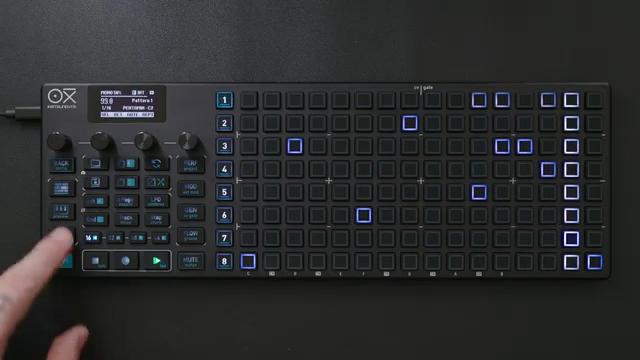 OXI Instruments OXI One MKII: Pattern Navigation Reimagined
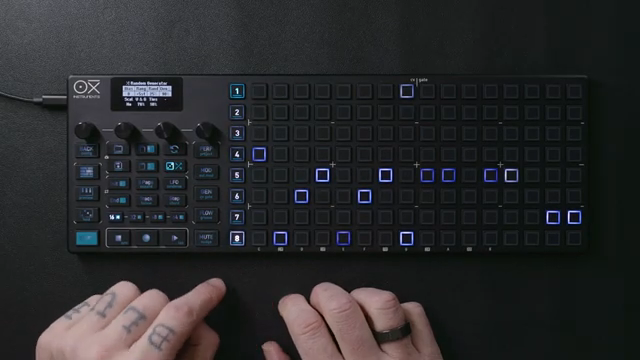 OXI Instruments OXI One MKII: Architecting Inspiration with the Random Generator
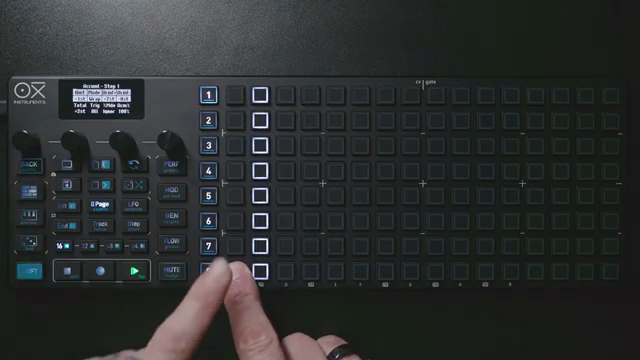 OXI Instruments OXI One MKII: Accumulators Unleashed
Watch on YouTube:
Latest articles
Watch on YouTube:
Visit the channel:
https://www.youtube.com/oxiinstruments
https://www.youtube.com/oxiinstruments
Links from oxiinstruments:
website: https://oxiinstruments.com
instagram: https://www.instagram.com/oxiinstruments
facebook: https://www.facebook.com/oxiinstruments/
support: https://oxiinstruments.com/support
Sponsored links:
If you purchase via these links, we may earn a small commission – at no extra cost to you. The link opens an Amazon keyword search, and results may vary depending on availability.
OXI ONE MKII
🔗 Check price on Amazon
🔗 Check price on Amazon