Forget polite polyphony – Sineway rips apart the Supercritical Redshift 6 and wires it up for a paraphonic workout that’d make any club system sweat. With a Digitakt II on sequencing duties and the Chroma Console dialling in filth, this isn’t your average YouTube tutorial – it’s a modern groovebox brawl. Expect deep dives, dirty tricks and a creator who doesn’t waste your time. If you want the full patch voodoo or just to see what happens when you let a synth run wild, this one’s essential viewing.
8. September 2026
SPARKY
Sineway’s Redshift 6 Rave Surgery: Paraphony, Chroma Chaos and Digitakt II Tricks
Elektron Digitakt II, Hologram Chroma Console, Hologram Microcosm, Novation Launch Control XL 3, Supercritical Redshift 6, Zoom LiveTrak L6max
One Voice, Three Notes: Redshift 6’s Paraphonic Magic
Sineway doesn’t just call the Supercritical Redshift 6 a six-voice poly – that’d be like calling a rave bunker a disco. The real headline here is the paraphonic trickery: getting three-note chords out of a single analog voice. It’s a sound so thick it could clog your toaster, and Sineway shows how it’s pulled off – stacking up to 16 oscillators inside one voice, with detuning and clever modulation adding real muscle.
If you’re after that classic analog pad with a twist, the Redshift’s paraphonic mode lets each voice run up to five notes, so you can build lush chords and still have voices left for basslines or leads. It’s not just about the numbers – it’s how the filter retriggers and the oscillators stack that gives the sound its bite. Sineway’s demo isn’t a dry menu scroll; you hear the difference, especially when the effects are stripped away and it’s just raw synth muscle. But trust me, the true weight of this trick is best felt through your own speakers – the video nails it.
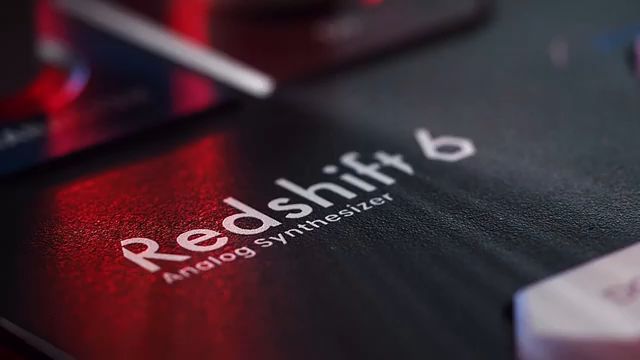
"Calling this a six-voice analog poly synth is really underselling it."
© Screenshot/Quote: Sinewaymusic (YouTube)
Chroma Console: FX Mayhem on Tap
"If I turn this on again, it's a completely different sound."
© Screenshot/Quote: Sinewaymusic (YouTube)
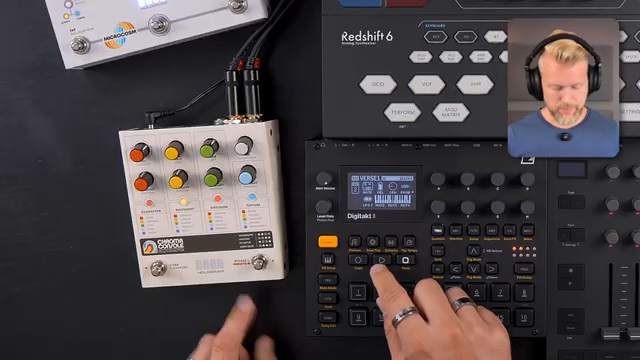
Next up, Sineway routes the Redshift’s output through the Hologram Chroma Console – and suddenly, what was a decent arp turns into a full-on sonic street weapon. The Console’s no one-trick pony: you’ve got distortion (sorry, “character”), vibrato/ensemble movement, delays bordering on tape-mangled, and reverb that washes the sound right into microcosm territory.
What makes the Chroma Console stand out is the flexibility – you can stack, re-order, and abuse effects in any chain you want. Sineway’s not shy about twisting every knob, showing how one dry synth line becomes a completely different beast with a few button presses. Compared to the more limited Microcosm, the Chroma Console is like giving your synth a set of brass knuckles. You want subtlety? Maybe skip this bit. But if you want to hear a synth get properly roughed up, you need to see and hear the Console in action.
Digitakt II: The Layer King
While the Redshift 6 is busy flexing its analog muscles, the Elektron Digitakt II is working overtime as sequencer, sampler and mix hub. Sineway started this track on the Digitakt alone, proving you can sketch out serious ideas even in a camper van – then layered up Redshift sounds once back in the studio. The Digitakt isn’t just triggering samples: it’s wrangling basslines, modulating filter macros, and handling everything from sub-bass to rhythmic textures.
One trick that stands out is the split bass – using two tracks to keep the low end tight and the mix manageable. Sineway also shows off a crafty drum trick: using LFO-mapped bit reduction to add a transient click to a 909 kick, turning standard samples into weapons for the dancefloor. There’s loads more layering and modulation going on, but some of the deepest sauce is best explored in the project file itself. If you’re a Digitakt head, this section is pure gold.
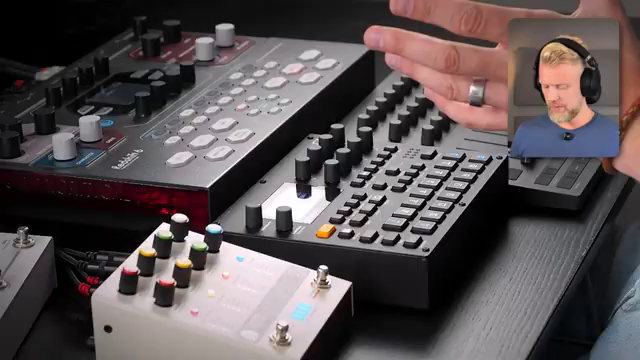
"The bottom line is, if you separate the low end, you get an easier time taming a mix."
© Screenshot/Quote: Sinewaymusic (YouTube)
Process, Pain, and Patch Evolution
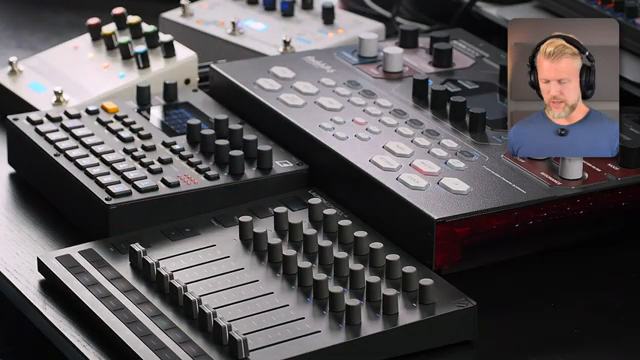
"I don't know if you have ever felt like this, but sometimes I get tired of my own melody."
© Screenshot/Quote: Sinewaymusic (YouTube)
Making this track wasn’t all sunshine and supersaws. Sineway talks openly about almost binning the project, getting bored of his own melodies, and switching up sounds until the vibe finally clicked. The evolution from Digitakt-only sketches to a full Redshift 6 performance is a window into the messy reality of writing club music – sometimes you need to tear it all down and start again.
Each change in sound or patch meant rethinking melodies and arrangements, and Sineway’s not afraid to admit the process is part chaos, part grind. It’s refreshing to see a YouTuber show the ugly bits, not just the polished end result. If you’ve ever felt stuck in your own loops, this is a rare honest glimpse behind the curtain. Want to follow the entire journey? The Patreon project files have all the abandoned sketches and rejected leads – warts and all.
Dig Deeper: Project Files on Patreon
If you’re hungry for every last detail – the full Digitakt II project, the Redshift patches (when export lands), and even the melodies that didn’t make the final cut – Sineway’s got them all stashed on Patreon. It’s not just a sales pitch: the files are as close to the real mix as possible, so you can reverse-engineer every trick shown in the video. Dive in if you want to see how chaos gets wrangled into a finished dancefloor weapon.
This article is also available in German. Read it here: https://synthmagazin.at/sineways-redshift-6-rave-op-paraphonie-chroma-chaos-und-digitakt-ii-tricks/
More articles about these products:
 Sineway’s First Live Set: Gear Glory and Rookie Regrets
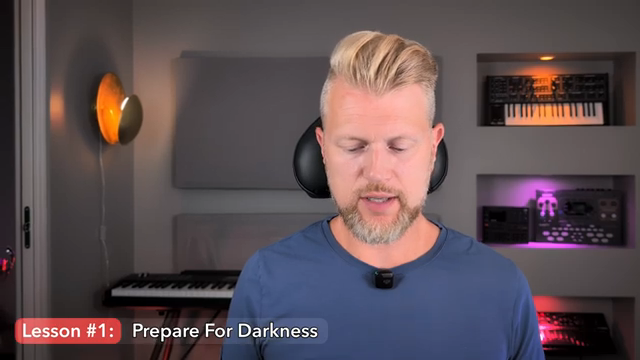
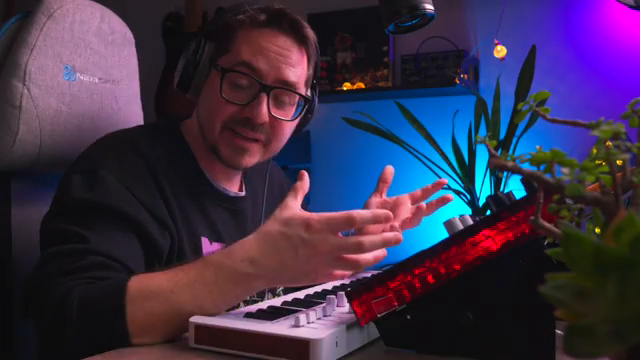 Redshift 6: The Midlife Synthesist Unleashes a Polyphonic Street Weapon
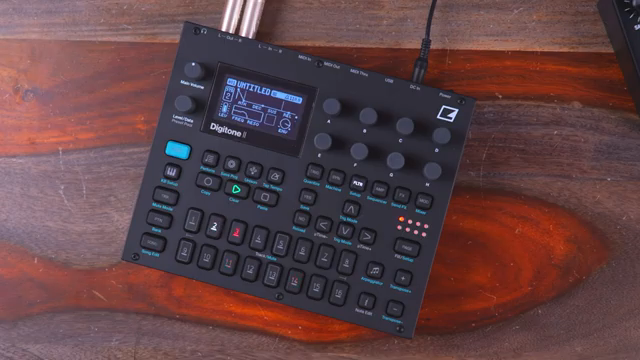 Liam Killen’s Digitone II: More Tracks, More Chaos, More Techno
 EZBOT’s Digitakt II Preset Power: Five Dirty Tricks for Maximum Madness
 TAETRO’s Sidekick Hack: Parallel FX Mayhem Unleashed
 Sineway’s Novation Peak Review: Digital Precision, Analog Bite, and Zero Nonsense
 EZBOT’s Elektron Sampler Showdown: Which Box Belongs in Your Rave Bunker?
 Sineway’s Digitakt II: From Loop Prison to Track Liberation
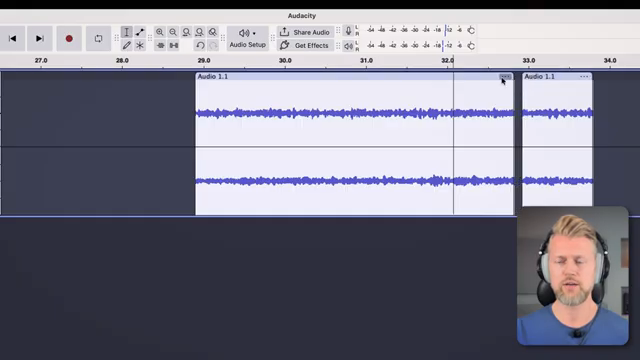 Sineway’s No-Click Loop Hack: Seamless Sampling for Syntakt, Digitakt & Beyond
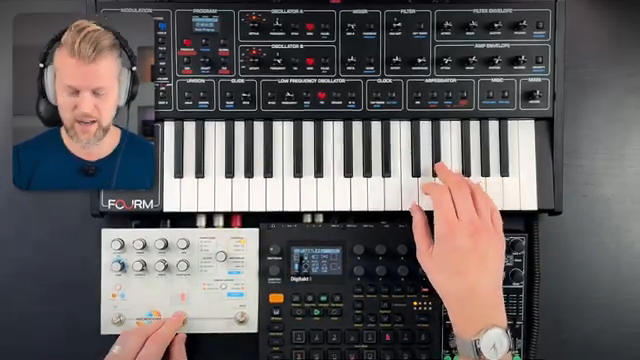 Sineway’s Microcosm Mayhem: Turning Effects into Idea Generators with Digitakt II
 EZBOT’s Dub Techno Adventure: Elektron Boxes Get Down and Dirty
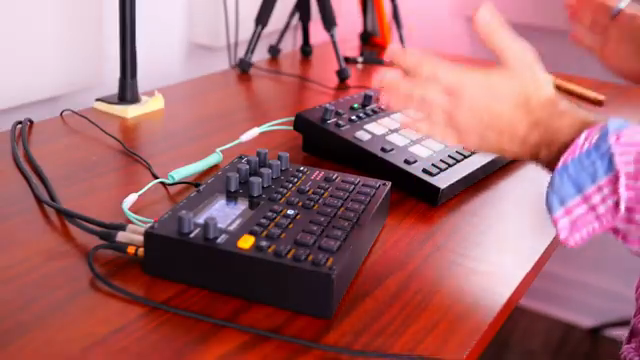 Digitakt II vs Analog Rytm MKII: Liam Killen Throws Down the Elektron Gauntlet
Watch on YouTube:
Latest articles
Watch on YouTube:
Visit the channel:
https://www.youtube.com/sinewaymusic
https://www.youtube.com/sinewaymusic
Links from sinewaymusic:
Patreon: https://patreon.com/Sineway
TikTok: https://tiktok.com/@sinewaymusic
Instagram: https://instagram.com/sinewaymusic
Our music-only channel: https://youtube.com/@SinewayOfficial
Sponsored links:
If you purchase via these links, we may earn a small commission – at no extra cost to you. The link opens an Amazon keyword search, and results may vary depending on availability.
Elektron Digitakt II
🔗 Check price on Amazon
🔗 Check price on Amazon
Hologram Chroma Console
🔗 Check price on Amazon
🔗 Check price on Amazon
Hologram Microcosm
🔗 Check price on Amazon
🔗 Check price on Amazon
Novation Launch Control XL 3
🔗 Check price on Amazon
🔗 Check price on Amazon
Supercritical Redshift 6
🔗 Check price on Amazon
🔗 Check price on Amazon
Zoom LiveTrak L6max
🔗 Check price on Amazon
🔗 Check price on Amazon