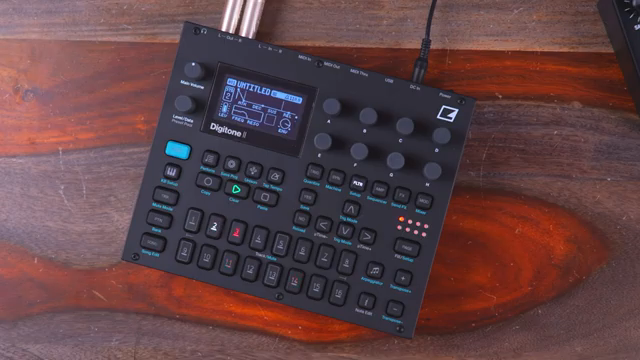
Liam Killen is back at it, showing why the Elektron Digitone II is his go-to rave bunker weapon. This isn’t just a polite upgrade – it’s a full-blown street brawler with more channels, more sound design elbow room, and a knack for Berlin techno. Killen’s signature blend of clarity and practical wizardry makes this tour de force all killer, no filler. If you want to see layering tricks, external FX mayhem, and templates that might actually help your next jam, strap in. He’s got the groove – and now, even more channels to abuse.
17. July 2026
SPARKY
Liam Killen’s Digitone II: More Tracks, More Chaos, More Techno
Elektron Digitakt II, Elektron Digitone, Elektron Digitone II, Meris Ottobit X
Digitone II: From Four Tracks to Full-On Rave Rig
Liam Killen wastes no time making it clear: the Digitone II isn’t just a modest step up from the OG—it’s a monster leap. Gone are the days of cramming all your drums onto a single track and praying for polyphonic mercy. Now, with four times the channels and the luxury of picking different machines per channel, you’re looking at a groovebox that wants to be the entire band. If you ever felt boxed in by the original Digitone, this is like knocking through the walls and adding a sub-basement.
The interface gets a serious power-up with a six-page mixer and onboard effects that actually sound good—delay, reverb, chorus, plus that overdrive Liam singles out as his favourite. Assigning tracks to MIDI or stacking up internal mayhem is a breeze. It’s not just about adding more buttons; it’s about unlocking a workflow where you don’t have to choose between drums, bass, and synths. If you want to go full toaster-fight mode, the Digitone II is ready to brawl.
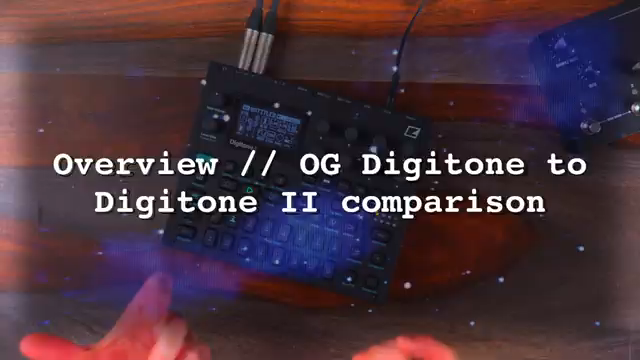
"On this interface though, the DigiTone 2, it just has so much more to offer. It's one of the biggest leaps in electron history."
© Screenshot/Quote: Liamkillen (YouTube)
Layer Cake: Drums and Synths, Elektron Style
"I could just use this as a drum machine very easily."
© Screenshot/Quote: Liamkillen (YouTube)
When it comes to building grooves, Killen shows how the Digitone II turns layering into an art form. He dives into hi-hat panning, trig conditions, and filter tweaks—flipping between clave-like percussion and open hats in no time. It’s all happening on a single page, which keeps things punchy and easy to mutate on the fly. The param-lock power here means you can get mathematical, musical, or just plain weird with your patterns. You’re not stuck with static loops; every step can be its own beast.
Liam doesn’t stop at drums. Synth layers get the same mad scientist treatment—LFOs, pan tricks, comb filters, and the almighty param-locks. He even admits to loving perks and drums so much, he almost forgets he has a dozen tracks still unused. If you want the nitty-gritty on how to turn basic FM synth lines into a snarling groove, you’ll want to see his hands in action. Words can’t capture the glitchy swing or the controlled chaos—this is Elektron sequencing at its best.
Berlin Techno in a Box
According to Killen, the Digitone II’s presets and workflow have a real Berlin techno flavour. Where the OG Digitone was always pushing you towards classic FM clang, the sequel has a darker, more industrial edge. Set the tempo to 137 BPM, dial in just a touch of swing, and suddenly you’re ready for a warehouse gig. The new sound engines and layering options mean you don’t have to shoehorn your beats; everything just falls into place for hard-hitting, rolling techno.
But it’s not just about presets—Liam’s approach is all about making the box your own. He nudges patterns, mutes and unmutes layers, and shows how a simple motif can drive a track. His workflow is relentless but never cluttered, and the groove just keeps building. If you’re after that Berlin vibe without getting lost in menu hell, Digitone II has the grit and the speed. As always, to really feel the stomp, you’ve got to listen—text can’t shake the floor.

"I find they point you more into Berlin techno sort of sound."
© Screenshot/Quote: Liamkillen (YouTube)
External FX: The Meris Ottobit X Twist
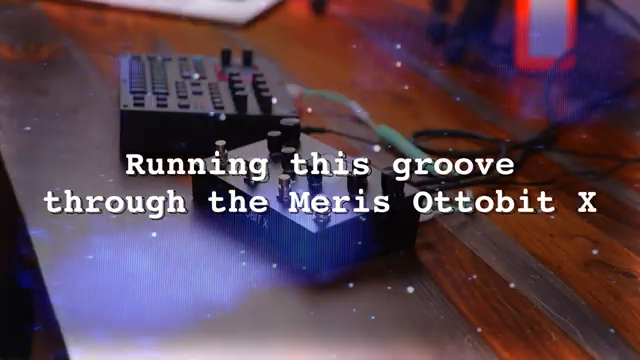
"I think it would be interesting to run these sounds through the autobit X."
© Screenshot/Quote: Liamkillen (YouTube)
Just when you think the groove can’t get any dirtier, Killen patches the Digitone II through the Meris Ottobit X and the gloves come off. With playable knobs for filtering, bit crushing, and sample rate demolition, the Ottobit X adds a new layer of chaos. Liam’s favourite trick is mangling the drums in real time—twisting the filter, crushing bits, and making everything pump with MIDI clocked precision.
He runs through multiple presets and shows how the pedal’s ambience and decay can flood your mix or just sprinkle in texture. The interplay between Digitone II’s sequencing and Ottobit X’s hands-on FX is pure performance gold. If you want your synths to sound like they’re fighting with a broken Game Boy in a Berlin basement, this is the move. There’s so much under the hood here, but honestly, you need to watch the video for full sensory overload.
Digitone Idea Starter: Templates for the Brave
Killen wraps up with a nod to his Digitone idea starter pack—a stash of templates, patterns, and sequencer tricks for anyone looking to get more out of the box. It’s all up on Patreon, complete with cross-compatibility for Digitone and Digitone II. If you’re stuck for inspiration or just want a leg up on your next jam, his starter pack might be the shortcut you need. Templates aren’t cheating—they’re weapons in the right hands.
This article is also available in German. Read it here: https://synthmagazin.at/liam-killen-und-der-digitone-ii-mehr-spuren-mehr-chaos-mehr-techno/
More articles about these products:
 Liam Killen Unleashes the Elektron Outbox 8: The Outs’ Revolution
 Devin Belanger vs. The Laptop: Why Hardware Synths Still Rule
 Elektron Outbox 8: Expanding Audio & CV Horizons
 Sineway’s Redshift 6 Rave Surgery: Paraphony, Chroma Chaos and Digitakt II Tricks
 Devin Belanger’s Ottobit X: Sonic Ghosts in a Retro-Future Mist
 EZBOT’s Digitakt II Preset Power: Five Dirty Tricks for Maximum Madness
 EZBOT’s Elektron Sampler Showdown: Which Box Belongs in Your Rave Bunker?
 True Cuckoo’s Synth Safari: Kids, Chaos & Cheap Headphones in Rural Norway
 EZBOT’s Elektron Rave Tactics: Semi-Improv Mayhem After a Decade in the Trenches
 Sineway’s No-Click Loop Hack: Seamless Sampling for Syntakt, Digitakt & Beyond
 AudioPilz Dishes the Dirt: What Your Synth REALLY Says About You
 EZBOT’s Dub Techno Adventure: Elektron Boxes Get Down and Dirty
Watch on YouTube:
Latest articles
Watch on YouTube:
Visit the channel:
https://www.youtube.com/LiamKillen
https://www.youtube.com/LiamKillen
Links from LiamKillen:
Orbit Music: https://orbitmusic.store
Patreon: https://patreon.com/liamkillenmusic
Instagram: https://instagram.com/liamkillenmusic/
Sponsored links:
If you purchase via these links, we may earn a small commission – at no extra cost to you. The link opens an Amazon keyword search, and results may vary depending on availability.
Elektron Digitakt II
🔗 Check price on Amazon
🔗 Check price on Amazon
Elektron Digitone
🔗 Check price on Amazon
🔗 Check price on Amazon
Elektron Digitone II
🔗 Check price on Amazon
🔗 Check price on Amazon
Meris Ottobit X
🔗 Check price on Amazon
🔗 Check price on Amazon