Before you drop your hard-earned cash on an Elektron sampler, you’d better strap in for EZBOT’s no-BS masterclass. This isn’t some spec-sheet snooze fest—EZBOT dives deep into the Octatrack, Digitakt, and Toneverk, slicing through the hype to show you what actually matters for live performance, beatmaking, and sound design. Expect sharp comparisons, real-world workflow tips, and a few hard truths about what each box does (and doesn’t) bring to your table. If you want your next groovebox to slap, not suck, this is essential viewing.

19. April 2026
SPARKY
EZBOT’s Elektron Sampler Showdown: Which Box Belongs in Your Rave Bunker?
Elektron Digitakt II, Elektron Octatrack MKII, Elektron Toneverk
Three Titans Enter the Arena
EZBOT kicks things off with a straight-up comparison of the Octatrack, Digitakt, and Toneverk—no fluff, just the facts. All three share Elektron’s signature sequencer DNA, but each box is built for a different kind of sonic street fight. The Octatrack is the heavyweight, famous for its presence in pro live rigs (think Radiohead and Nine Inch Nails), while the Digitakt is the go-to for electronic heads who want quick, hands-on beatmaking. The Toneverk? That’s the new kid, still getting its firmware legs but already turning heads with fresh features.
What’s clear from the outset is that these aren’t just variations on a theme—they’re weapons for different workflows. EZBOT doesn’t waste time on nostalgia or marketing spin. Instead, he lays out how the Octatrack’s resampling, the Digitakt’s groovebox simplicity, and the Toneverk’s evolving architecture each carve their own lane. If you’re lost in Elektron’s sampler jungle, this is the map you need.
Octatrack: The Live Performance Superpower
The Octatrack doesn’t just play in the live arena—it owns it. EZBOT makes it clear: if you want to mangle, resample, and warp your set in real time, nothing else comes close. The crossfader, scene macros, and live resampling are more than party tricks—they’re the reason this box is a staple for serious performers. You can sample, chop, and remix on the fly, turning a static set into a living, breathing rave beast.
But don’t get it twisted—the Octatrack isn’t for the faint-hearted. Its learning curve is steep, and its approach to drums is, frankly, a bit rubbish compared to the others. Still, if you crave risk and reward, and want to push your live sets into uncharted territory, the Octatrack is the dark souls of samplers. Just don’t expect to master it in a weekend.

"That's something the Octatrack offers that none of these other boxes offer."
© Screenshot/Quote: Ezbot (YouTube)
Digitakt: The Beatmaker’s Best Mate
"The Digitakt is definitely of the three, I would say, the easiest to learn."
© Screenshot/Quote: Ezbot (YouTube)
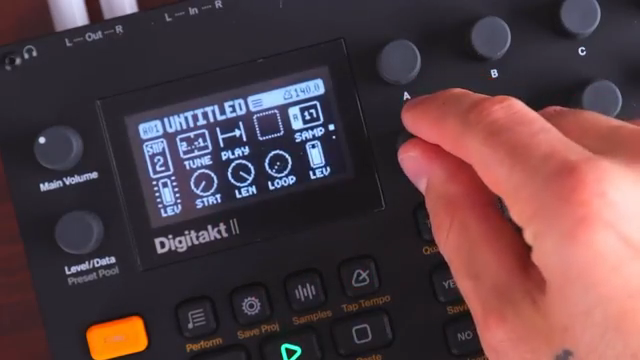
If the Octatrack is a mad scientist’s lab, the Digitakt is a streetwise groovebox that just gets things done. EZBOT highlights how the Digitakt nails the essentials: loads of RAM, over a thousand sample slots, and a workflow that lets you bang out bangers in minutes. It’s the easiest of the three to learn—seriously, you can be making decent tracks on day one, even if you’re new to Elektron.
Where the Digitakt shines is in its one-shot drum duties and groovebox versatility. It’s got proper sidechain, time-stretch (as a machine), and Overbridge integration for DAW nerds. If you want to load up 909s, chop breaks, and get your set moving without a PhD in samplerology, the Digitakt is your mate. It’s not as deep as the Octatrack, but it’s a hell of a lot more fun out of the box.
Toneverk: Polyphonic Playground
Toneverk steps up as the sound designer’s secret weapon. Polyphony is the name of the game here—eight voices per track, 16 MIDI voices, and enough sample RAM to drown a laptop. EZBOT points out that Toneverk’s subtracts let you stack up to 64 tracks if you’re feeling brave, and the autosampler feature is a wild card for cloning hardware or software instruments with velocity layers and multi-samples.
But don’t expect instant gratification. The Toneverk’s workflow is deep and, at times, confusing—especially if you’re coming from the Digitakt’s plug-and-play vibe. Still, if you want to build lush chords, granular textures, and stereo clouds, this box is a playground for sonic explorers. It’s not the best drum machine, but for experimental, polyphonic, and ambient work, Toneverk is a future classic in the making.
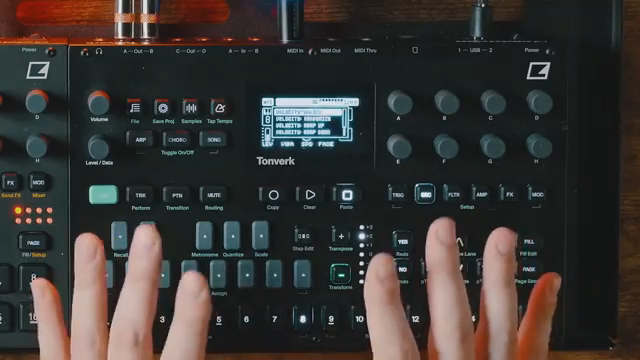
"On the Toneverk, you're going to use an eighth, a twelfth, a sixteenth of its features your first day using it."
© Screenshot/Quote: Ezbot (YouTube)
Performance Hacks: Making Each Box Work for You
EZBOT doesn’t just compare specs—he drops real-world tips for squeezing the most out of each sampler in a live setup. For the Octatrack, it’s all about live resampling, scene morphing, and using the crossfader for wild transitions. You can solo tracks, mangle loops, and even DJ entire sets if you’re brave (or foolish) enough. But beware: the Octatrack expects you to bring your own samples and skills—it’s a blank canvas, not a hand-holding groovebox.
The Digitakt, on the other hand, is built for speed. It comes loaded with sounds, offers easy sampling, and lets you set up sidechain compression and kits in seconds. Overbridge turns it into a DAW-friendly monster, and its straightforward workflow makes it perfect for quick jams and live beatmaking. If you want to get a crowd moving without menu-diving, this is your box.
Toneverk’s performance edge lies in its polyphony and modulation tricks. EZBOT shows how you can use envelopes for sidechain ducking, route audio creatively, and exploit the autosampler for unique textures. The sequencer is intuitive, and the modulation options are deep enough to keep even the nerdiest sound designer happy. Still, some features are best experienced in the video—especially the wild stuff you can do with multi-samples and bus routing. Trust me, you’ll want to see it in action before you decide which box is your next sonic street weapon.
This article is also available in German. Read it here: https://synthmagazin.at/ezbots-elektron-sampler-showdown-welcher-kasten-gehoert-in-deinen-rave-bunker/
More articles about these products:
 Sineway’s Redshift 6 Rave Surgery: Paraphony, Chroma Chaos and Digitakt II Tricks
 Liam Killen’s Digitone II: More Tracks, More Chaos, More Techno
 EZBOT’s Digitakt II Preset Power: Five Dirty Tricks for Maximum Madness
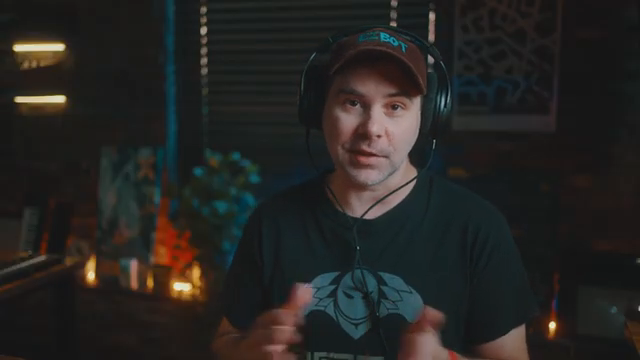 EZBOT’s Elektron Rave Tactics: Semi-Improv Mayhem After a Decade in the Trenches
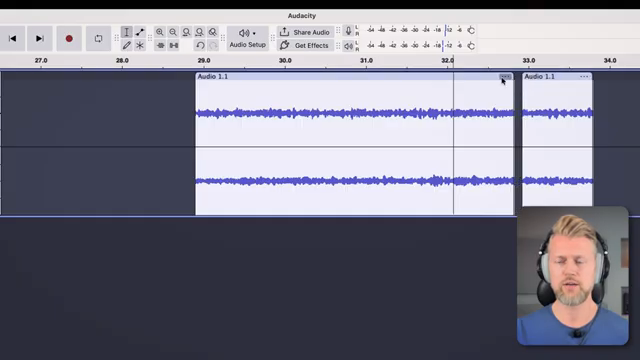 Sineway’s No-Click Loop Hack: Seamless Sampling for Syntakt, Digitakt & Beyond
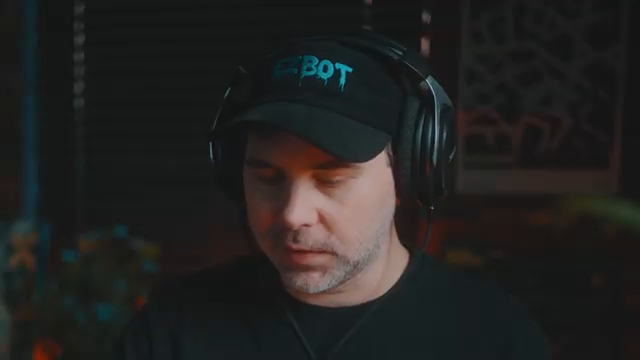 EZBOT’s Dub Techno Adventure: Elektron Boxes Get Down and Dirty
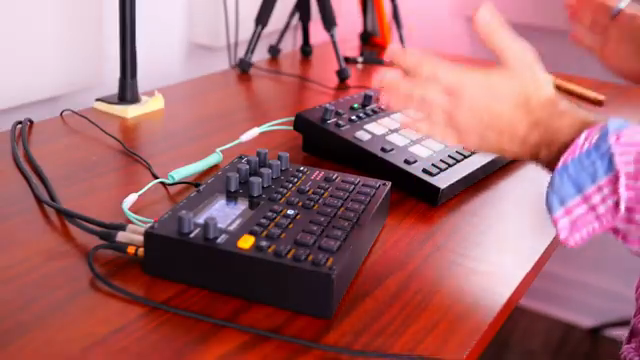 Digitakt II vs Analog Rytm MKII: Liam Killen Throws Down the Elektron Gauntlet
 EZBOT Unleashes the Pseudos: Melody Mayhem in Modular Land
 LiamKillen Drops the Digitakt II Beat Bomb!
 CaptainPikant Gets Nasty with Nine Inch Nails Beats
 Elektron Digitakt II as Creative Nerve Center: Jeremiah Chiu’s Human-Machine Dialogue
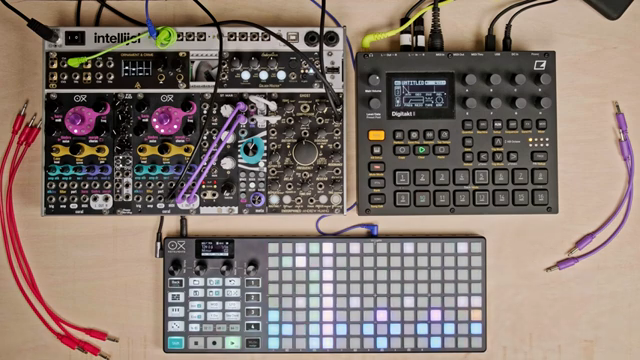 OXI Instruments Dives into Dub Techno: OXI One as the Sequencing Brain
Watch on YouTube:
Latest articles
Watch on YouTube:
Visit the channel:
https://www.youtube.com/EZBOT_
https://www.youtube.com/EZBOT_
Links from EZBOT_:
EZBOT Official: https://ezbot.live
Patreon: https://patreon.com/ezbot
Ko-Fi: https://ko-fi.com/ezbot
Instagram: https://instagram.com/ezbotmusic/
Sponsored links:
If you purchase via these links, we may earn a small commission – at no extra cost to you. The link opens an Amazon keyword search, and results may vary depending on availability.
Elektron Digitakt II
🔗 Check price on Amazon
🔗 Check price on Amazon
Elektron Octatrack MKII
🔗 Check price on Amazon
🔗 Check price on Amazon
Elektron Toneverk
🔗 Check price on Amazon
🔗 Check price on Amazon