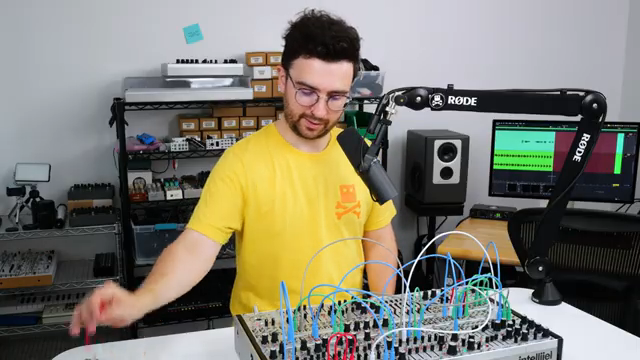
Intellijel’s latest video dives deep into modular groovebox territory, squeezing maximum mileage out of the Atlantix as a central sound source. The patch explores classic drum voices, melodic lines, and effects, all woven together with clever modulation and macro control tricks. It’s a practical Eurorack walkthrough for anyone curious about building complex, performance-ready patches using Intellijel’s suite of modules. Expect dry wit, clear routing, and plenty of patching insight for those who like their beats modular and their signal paths explicit.
30. July 2026
MILES
Intellijel’s Modular Groovebox: Atlantix at the Heart of a Patchable Beat Machine
Intellijel 7U x 104HP Performance Case (Gen 2), Intellijel Amps, Intellijel Atlantix, Intellijel Aux Mix 1U, Intellijel Buff Mult 1U, Intellijel Flurry, Intellijel Metropolix, Intellijel Planar 2, Intellijel Quadrax, Intellijel Sealegs, Intellijel Steppy, Intellijel Stereo I/O 1U, Intellijel Swells, Intellijel Tangrams
Atlantix Centre Stage: Building the Modular Groovebox
Kicking off, Intellijel’s patch wizardry is focused on pushing the Atlantix as far as possible within a comprehensive groovebox setup. The foundation is a 7U Intellijel case, with Atlantix handling the lion’s share of voice duties—a classic move when you want to test just how much versatility you can wring from a single module. The Metropolix sequencer provides the master clock, distributed via Buffmult to modules like Steppy (for sequencing) and Sealegs (to sync effects), ensuring the entire system moves in unison.
The workflow is methodical: clock and reset signals routed first, then sound sources are layered. The patching process leans heavily on Atlantix’s multiple outputs, with audio routed through an Aux Mix and onward into effects (Sealegs and Swells), before hitting the main stereo output. This setup offers both flexibility and structure, giving each sound source a clear path through the modular environment. The intention is evident—maximum sonic mileage from Atlantix, with creative routing keeping things modular rather than locked into static roles.
Drums and Modulation: Kick, Snare, Hats and Envelopes
The patch builds up rhythmic elements with a modular twist. Atlantix’s sine output is used for the kick, shaped by both its internal envelope and additional modulation from Quadrax—a nice touch for dialling in punch and transient control. Routing Steppy’s track outputs into Quadrax and Atlantix allows for independent shaping of amplitude and pitch, a classic modular drum technique that’s as flexible as it is familiar.
For snare/tom duties, the ring mod output from the Atlantix expander is pressed into service, with noise from Atlantix providing the essential sizzle. The hi-hat leverages Atlantix’s phaser-mode filter and clever use of dummy patch cables to separate the noise signal, keeping the kick clean while generating crisp percussive textures. Modulation is again key—C-Legs modulation output is routed to FM inputs for animated hi-hat tones. Every drum voice is given its own VCA and envelope, demonstrating textbook Eurorack patching discipline.
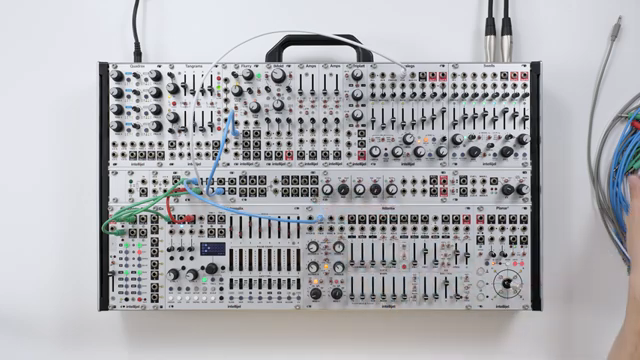
"Now the reason I've multed this is because I also want to use one of the Quadrax channels to shape the pitch of the kick."
© Screenshot/Quote: Intellijel (YouTube)
Effects, Macros and Dynamic Sound Shaping
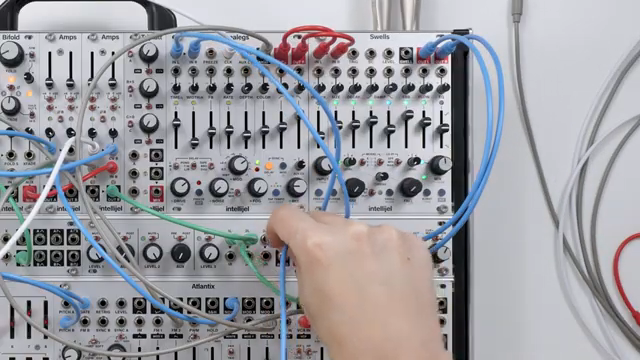
"So we could do that by taking the aux output here of the mixer and then we can put that into the side chain input."
© Screenshot/Quote: Intellijel (YouTube)
Once the core drum and melodic voices are in place, attention turns to effects and macro control. Signals are fed through Sealegs for drive and delay, and Swells provides reverb, with sidechain ducking triggered by the kick—classic pump for rhythmic cohesion. The patch demonstrates how to use aux outputs and the Swells’ sidechain input to create this effect, and attenuverters are used for fine control of the reverb’s response.
Macro control enters via the Planar 2 joystick, which is routed into aux CV inputs and Metropolix pitch control, allowing real-time morphing of mix levels, pitch ranges, and even wavefolding parameters. This highlights how macro controllers can transform a static patch into a performance instrument, with Planar 2’s X and Y axes mapped to multiple destinations for complex, hands-on modulation. The overall result is a groovebox that’s anything but rigid—dynamic, interactive, and open to improvisation.
Creative Patching: Tips, Tricks, and Experimental Touches
Throughout the video, a range of patching ideas are demonstrated, designed to push the boundaries of what the setup can produce. For example, Tangrams is used to modulate Quadrax’s envelope parameters, injecting evolving movement into otherwise static drum envelopes. Assigning CV to specific modulator destinations in Quadrax is shown in detail, underlining how deep envelope modulation can animate a patch without manual intervention.
Flurry is brought in for bonus percussion and experimental noise, with rainbow mode and morphing under sequencer CV control. The Planar 2’s outputs are multed to modulate both pitch and wavefolding simultaneously, showing how one gesture can reshape the patch’s melodic and timbral content. These tips aren’t just for show—they’re practical demonstrations of how to get more out of your modular rig, especially when you’re aiming for maximum flexibility and live tweakability.
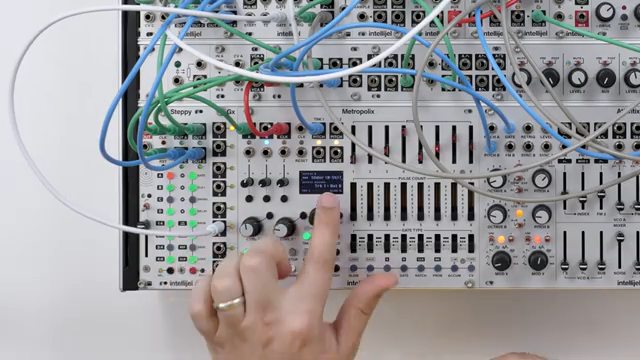
"So now if I plug the output there into the Morph input, we get a little loop forming that follows with the melody."
© Screenshot/Quote: Intellijel (YouTube)
This article is also available in German. Read it here: https://synthmagazin.at/intellijels-modular-groovebox-atlantix-als-herzstueck-einer-patchbaren-beat-maschine/
More articles about these products:
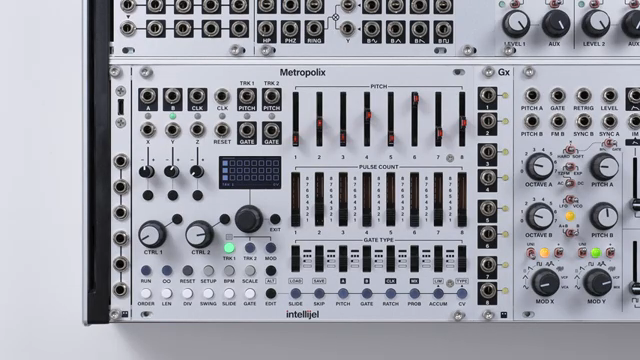 Intellijel Metropolix: Mod Lane Gates & Trigs in the Wild
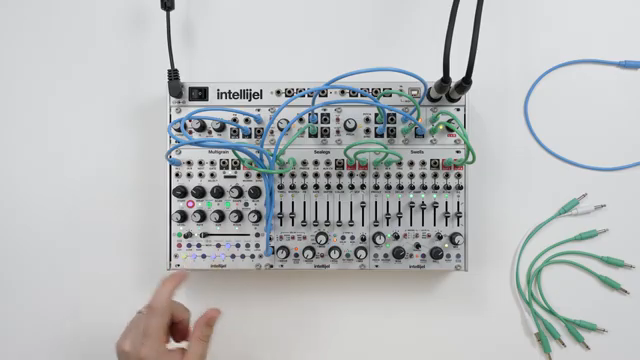 Intellijel’s Cinematic Drone Palette: A Modular Mini-Rig for Epic Soundscapes
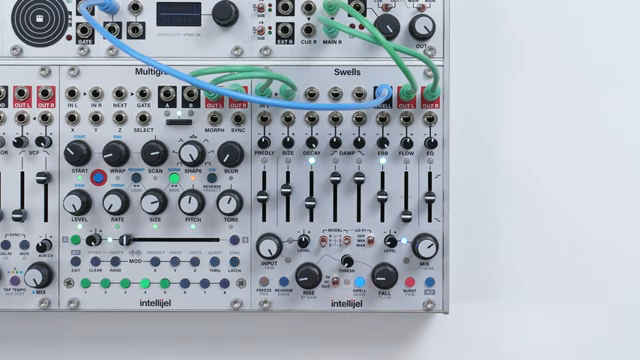 Intellijel Swells: Modulation, Swell Generator and Envelope Follower Tricks Unveiled
 Josh Lucan’s Leda Transit: Sequenced Dreams and Sonic Nebulae
 Intellijel Swells: A Reverb Odyssey for Modular Patchers
 Josh Lucan’s Sonic Alchemy: Channeling Tangerine Dream’s Nebulae
 Intellijel’s Metropolix & Multigrain: Rhythmic Patch Alchemy in Eurorack
 Intellijel Multigrain 1.3: Granular Power, Now with Smarter Sample Handling
 Intellijel Multigrain: A Deep Dive into Modulation Possibilities
 Intellijel Multigrain: Live Sounds and Looping Recorder—Granular Synthesis Grows Up
 joshlucan3512’s Analogue Sequencing Masterclass: A Tangerine Dream Tribute
 joshlucan3512 Explores Tangerine Dream-like Synthesis
Watch on YouTube:
Latest articles
Watch on YouTube:
Visit the channel:
https://www.youtube.com/intellijel
https://www.youtube.com/intellijel
Links from intellijel:
website: https://intellijel.com
forum: https://forum.intellijel.com
instagram: https://instagram.com/intellijel
facebook: https://www.facebook.com/intellijel
Sponsored links:
If you purchase via these links, we may earn a small commission – at no extra cost to you. The link opens an Amazon keyword search, and results may vary depending on availability.
Intellijel 7U x 104HP Performance Case (Gen 2)
🔗 Check price on Amazon
🔗 Check price on Amazon
Intellijel Amps
🔗 Check price on Amazon
🔗 Check price on Amazon
Intellijel Atlantix
🔗 Check price on Amazon
🔗 Check price on Amazon
Intellijel Aux Mix 1U
🔗 Check price on Amazon
🔗 Check price on Amazon
Intellijel Buff Mult 1U
🔗 Check price on Amazon
🔗 Check price on Amazon
Intellijel Flurry
🔗 Check price on Amazon
🔗 Check price on Amazon
Intellijel Metropolix
🔗 Check price on Amazon
🔗 Check price on Amazon
Intellijel Planar 2
🔗 Check price on Amazon
🔗 Check price on Amazon
Intellijel Quadrax
🔗 Check price on Amazon
🔗 Check price on Amazon
Intellijel Sealegs
🔗 Check price on Amazon
🔗 Check price on Amazon
Intellijel Steppy
🔗 Check price on Amazon
🔗 Check price on Amazon
Intellijel Stereo I/O 1U
🔗 Check price on Amazon
🔗 Check price on Amazon
Intellijel Swells
🔗 Check price on Amazon
🔗 Check price on Amazon
Intellijel Tangrams
🔗 Check price on Amazon
🔗 Check price on Amazon