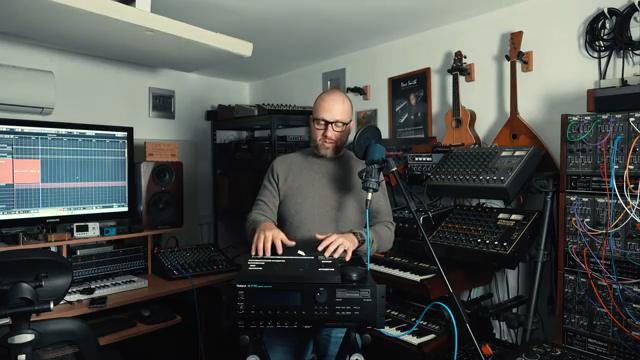
Alex Ball takes the mighty Roland S-770 for a spin, diving deep into its guts and showing why this 1990 flagship sampler is still a weapon for sonic mischief. Expect plenty of classic Ball wit, hands-on experiments, and a reminder that vintage gear isn’t just for museum pieces—especially when it can resample, time-stretch, and even hide a game or two. If you like your nostalgia with a side of actual usefulness, buckle up.
18. September 2026
SPARKY
Alex Ball Unleashes the Roland S-770: The Sampler That Refuses to Die
Pearl SC40, Roland S-10, Roland S-220, Roland S-330, Roland S-50, Roland S-550, Roland S-750, Roland S-760, Roland S-770, Roland VP550, Roland W-30, Yudio Super Gemini
Flagship Fury: The S-770’s Specs Still Bite
Roland’s S-770 wasn’t just another grey box – in 1990, it was the sampler equivalent of a rave bunker with reinforced concrete. Sixteen-bit, 48kHz stereo sampling, 24 voices, and proper multi-timbrality meant this thing could take a beating and keep pumping out soundscapes. Alex Ball wastes no time pointing out that the S-770’s specs would make plenty of modern samplers sweat, especially when you consider balanced ins, individual outs, and all the mod cons like envelopes, LFOs, and multi-mode filters.
But it’s not just the numbers. The S-770’s secret sauce is its hands-on control—hook it to a monitor, grab the mouse, and suddenly you’re editing samples with 1990s flair that still feels surprisingly modern. There’s a reason this beast isn’t just collecting dust in synth museums: it still kicks. If you’re the kind of person who dreams in waveforms, the S-770 is a gritty playground that refuses to grow old.
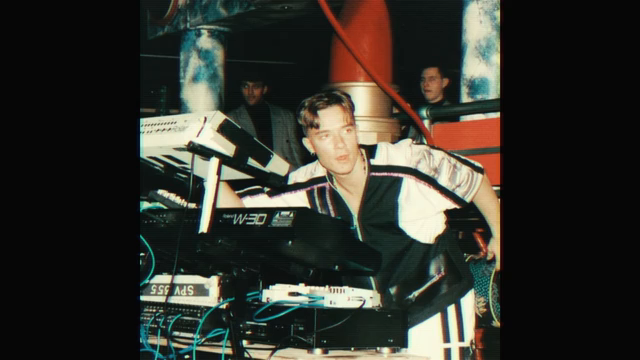
"In 1990 we get to the star of our show the S770. The 770 has specs that still stand up today."
© Screenshot/Quote: Alexballmusic (YouTube)
Through the S-Series Wormhole: How Roland Shook Up Sampling
Alex Ball does more than rattle off features—he’s got a knack for time travel, zipping through the S-series’ evolution. Roland didn’t invent sampling, but they made it cheaper, punchier, and more street-ready than the bank-breaking Fairlights and Emus of the early days. The S50 set the tone, but it was the constant upgrades—S550, S330, S770—that made Roland’s approach irresistible to anyone not born with a trust fund.
Each step in the S-series brought new tricks: digitiser tablets, slicker editing, and that all-important sample library that let everyone from bedroom producers to chart-topping acts get in on the action. Ball’s breakdown is tight, sharp, and full of those little details that make you realise Roland wasn’t just following trends—they were reshaping the rules of the studio game.
Sample Mangling Mayhem: Resampling, Stretching, and Twisting Sounds
"For me the point of it is to use the S770 to transform and morph the sounds that you give it into something else."
© Screenshot/Quote: Alexballmusic (YouTube)
Let’s be clear: if you just want to play back pristine samples, the S-770 isn’t for you—go buy a toaster. Ball dives right into what makes this box a true sonic weapon: resampling and time stretching that’s as wild now as it was then. He shows off custom sample creation, dragging in viola, Super Gemini, and VP550 vocals, then slices, loops, and mangles everything until it’s barely recognisable. The S-770’s resampling lets you smash two sounds together using different algorithms, making every new patch a potential monster.
Time stretching is gloriously lo-fi and unpredictable, perfect for those who want their drums to sound like they’ve been through a blender. The best part? Ball doesn’t spoon-feed you every single menu or setting—he just rips into the meat of the sampler, showing enough chaos to make you want to dive into the video for the full, gritty details. Some things, frankly, you need to hear to believe.
Legends in the Loop: A-ha, Roni Size, and the S-Series Legacy
Alex Ball doesn’t just geek out over the hardware—he ropes in Anders Enger Jensen to show off an S-770 loaded with actual A-ha tour sounds. This isn’t just a nostalgia trip; it’s a living history lesson with pianos, pads, and brass stabs straight from classic albums. If you thought vintage samplers were just for trainspotters, think again—these sounds are still dripping with atmosphere.
Then Ball drops the bomb: Roni Size, drum & bass pioneer, leaned on the S-760 for his Mercury Prize-winning ‘New Forms.’ Turns out, you don’t need the flagship model to make history—sometimes, it’s about wringing every last drop of inspiration from whatever box is in front of you. That’s the S-series in a nutshell: classic tech in the hands of creative maniacs.
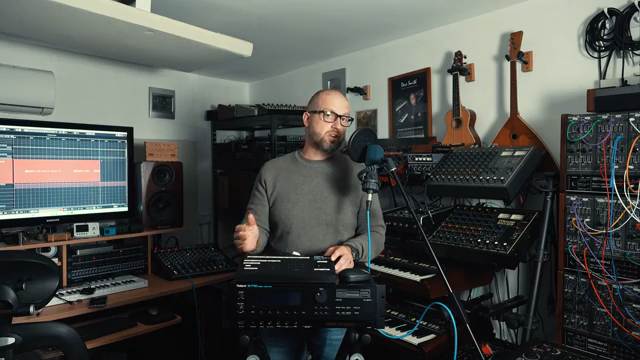
"Talent and vision and ideas transcend equipment."
© Screenshot/Quote: Alexballmusic (YouTube)
Easter Eggs and Digital Mischief: The S-770 Hides a Game
Just when you think you’ve seen every trick, Ball uncovers the legendary Tetris—well, ‘Heteris’—easter egg buried in the S-770’s firmware. The hunt is as convoluted as a dodgy hack menu, and in classic Roland fashion, the actual game is gone from later system disks. Still, the very idea that your sampler could double as a stealth gaming machine is peak 90s hardware chaos. If you want to see the exact button dance, you’ll need to watch the video. No spoilers, but let’s just say this is the kind of nonsense that keeps us digging through old gear.
This article is also available in German. Read it here: https://synthmagazin.at/alex-ball-entfesselt-den-roland-s-770-der-sampler-der-nicht-sterben-will/
More articles about these products:

Watch on YouTube:
Latest articles
Watch on YouTube:
Visit the channel:
https://www.youtube.com/AlexBallMusic
https://www.youtube.com/AlexBallMusic
Links from AlexBallMusic:
Patreon: https://patreon.com/AlexBallMusic
Bandcamp: https://alexball.bandcamp.com/releases
Instagram: https://instagram.com/alexballmusic
Facebook: https://facebook.com/alexballmusic
Alex Ball Music: https://alexballmusic.com
Sponsored links:
If you purchase via these links, we may earn a small commission – at no extra cost to you. The link opens an Amazon keyword search, and results may vary depending on availability.
Pearl SC40
🔗 Check price on Amazon
🔗 Check price on Amazon
Roland S-10
🔗 Check price on Amazon
🔗 Check price on Amazon
Roland S-220
🔗 Check price on Amazon
🔗 Check price on Amazon
Roland S-330
🔗 Check price on Amazon
🔗 Check price on Amazon
Roland S-50
🔗 Check price on Amazon
🔗 Check price on Amazon
Roland S-550
🔗 Check price on Amazon
🔗 Check price on Amazon
Roland S-750
🔗 Check price on Amazon
🔗 Check price on Amazon
Roland S-760
🔗 Check price on Amazon
🔗 Check price on Amazon
Roland S-770
🔗 Check price on Amazon
🔗 Check price on Amazon
Roland VP550
🔗 Check price on Amazon
🔗 Check price on Amazon
Roland W-30
🔗 Check price on Amazon
🔗 Check price on Amazon
Yudio Super Gemini
🔗 Check price on Amazon
🔗 Check price on Amazon