Alex Ball isn’t here to coddle your nostalgia – he’s here to drop hard facts and fatter beats. In his deep dive on the Akai MPC60, Ball unpacks the machine that changed sampling forever, from its DIY roots and punchy pads to the chaos it brought to hip-hop, jungle, and beyond. Expect crunchy demos, legendary name-drops, and a no-BS chat with TubeDigger about why the MPC still slaps in the age of touchscreen DAWs. If you think groove is just a menu option, this one’s a wake-up call from the rave bunker. Strap in.
12. June 2026
SPARKY
Sampling Royalty: Alex Ball Breaks Down the Akai MPC60’s Sonic Legacy
From Frankenstein to Funk: The Birth of the MPC60
Alex Ball kicks things off by rolling back to the late ‘80s, when Roger Linn decided MIDI needed a serious kick up the backside. The MPC60 was born out of equal parts frustration, genius, and a dash of Japanese corporate muscle. Forget plastic toy drum machines – this was a collaboration with some real synth heavyweights and marked the start of a series that still refuses to die.
From the ashes of Linn Electronics to the rise of Akai Professional, Ball lays out how the MPC60’s design was a Frankenstein’s monster of previous drum machines, sequencers, and pure innovation. The result? Pads, a sequencer that could actually remember your jams, and a workflow so slick it made rival boxes look like Fisher-Price. There’s no fluff here – just a timeline of bold moves and smarter circuits.
MIDI Production Mayhem: The Workflow Revolution
Ball demonstrates exactly what the MPC60 was supposed to do: run your studio like a mob boss. With multiple MIDI outs, deep sequencing, and the power to control a whole rig, this beast was basically the DAW before DAWs existed. You could sketch out a full track at home, rock up to the studio, and drop it to tape in one go – saving time, money, and sanity.
He shows off the classic workflow: keys, pads, sampled sounds, and those legendary drum patterns all tied together. Editing, quantising, layering – it’s all here, done hardware-style with a groove you can actually feel. It’s a far cry from staring at grids on a laptop. Ball’s point is clear: the MPC60 didn’t just fit into studios, it rearranged the furniture.
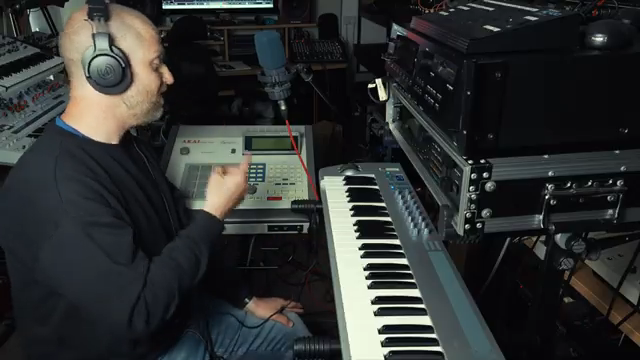
"This is very, very obviously the precursor to the DAW that we still use to this very day."
© Screenshot/Quote: Alexballmusic (YouTube)
Sonic Street Weapon: Sampling and That 12-Bit Crunch
"A big thing about the MPC60 is groove and feel and schwang which is something that Roger Lynn paid a lot of attention to."
© Screenshot/Quote: Alexballmusic (YouTube)
Let’s get dirty: the MPC60’s sampling is what turned it from a MIDI hub into a street legend. Ball dives into its infamous short sample time and why that wasn’t a bug, but a feature – forcing producers to chop, loop, and get creative with whatever vinyl they could find. The result? Grit, grime, and a signature punch that’s all over classic hip-hop and dance records.
He breaks down how sounds get smashed, sliced, and glued back together, running through individual outputs and battered through analog gear for extra filth. Ball’s patchwork approach shows how unrelated samples suddenly sound like they belong together, thanks to the MPC’s magic. If you want to hear what real ‘schwang’ means, this section’s a must-watch – words barely do it justice.
Legends, Loops and Lasting Legacy
Name a legend – they probably banged out beats on the MPC60. Ball rattles through a who’s-who of hip-hop and electronic icons: Dr. Dre, J Dilla, DJ Premier, Daft Punk, and more. He spotlights DJ Shadow’s basement-dwelling sample odyssey and J Dilla’s lopsided groove programming, both made possible by the MPC’s brutal simplicity and swing.
The machine’s influence stretches way past hip-hop. Those pads and the unmistakable feel have infected pop, dance, and underground scenes for decades. Ball makes it clear: the MPC60 isn’t just a relic – it’s a blueprint that keeps getting cloned, hacked, and revered by anyone serious about groove.
Old School, New Tricks: Ball and TubeDigger on MPC Survival
For the finale, Ball drags in TubeDigger for a sharp, honest talk about why the MPC refuses to die, even when software promises the world. It’s about hands-on feel: pushing pads beats clicking mice, every single time. They get into why that 12-bit sound is still sought after, and how modern MPCs keep finding ways to stay filthy and fun.
TubeDigger drops tips on stretching samples, modulating start points, and hacking new boxes to do old-school tricks. There’s even praise for the MPC Sample, which brings things full circle with a simple, straight-to-tape workflow. But you’ll have to watch the video for the real details – the chemistry and banter between these two are as crunchy as the samples themselves.
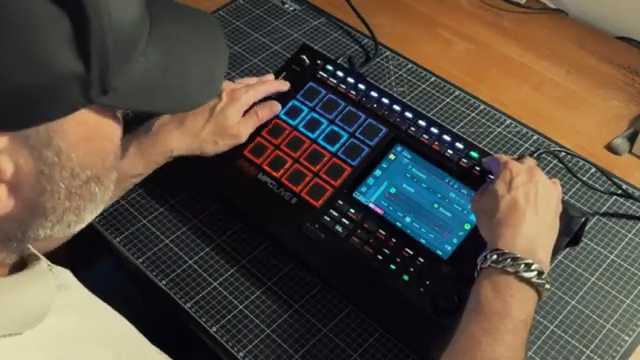
"If you're clicking a virtual button on the screen it's completely different when you're pressing a button right in front of you."
© Screenshot/Quote: Alexballmusic (YouTube)
This article is also available in German. Read it here: https://synthmagazin.at/sampling-royalty-alex-ball-zerlegt-das-erbe-der-akai-mpc60/
More articles about these products:
Watch on YouTube:
Latest articles
Watch on YouTube:
Visit the channel:
https://www.youtube.com/AlexBallMusic
https://www.youtube.com/AlexBallMusic
Links from AlexBallMusic:
Patreon: https://patreon.com/AlexBallMusic
Bandcamp: https://alexball.bandcamp.com/releases
Instagram: https://instagram.com/alexballmusic
Facebook: https://facebook.com/alexballmusic
Alex Ball Music: https://alexballmusic.com
Sponsored links:
If you purchase via these links, we may earn a small commission – at no extra cost to you. The link opens an Amazon keyword search, and results may vary depending on availability.
Akai MPC60
🔗 Check price on Amazon
🔗 Check price on Amazon
Lexicon PCM41
🔗 Check price on Amazon
🔗 Check price on Amazon
Roland JD-990
🔗 Check price on Amazon
🔗 Check price on Amazon
Roland S-770
🔗 Check price on Amazon
🔗 Check price on Amazon