Think you know synth history? Noisegate’s Lachlan and synth wizard Luke Million blaze through six decades of keys, knobs, legends and sonic mayhem at Sound Summit 2026. From room-filling monsters to portable stage weapons, they crank out milestone sounds on Arturia’s AstroLab, dropping hot takes, classic riffs and a stack of synth lore. Forget textbooks – this is a rave in a history lesson, packed with iconic models, genre-defining tracks, and a cold splash of Aussie wit.

15. October 2026
SPARKY
Noisegate & Luke Million: Synths That Shook the Stage (and Your Nan’s China Cabinet)
ARP 2600, Arturia Astrolab, Arturia Pigments, EMS Synthi AKS, Fairlight CMI, Korg MS-20, Moog System 55, Oberheim OB-8, Oberheim OB-X, Roland Juno 6, Roland Jupiter-8, Sequential Prophet-5, Synclavier II, Yamaha CS-80, Yamaha DX7
From Boffin Bunkers to Stage Blasters
Noisegate’s Lachlan and the ever-effervescent Luke Million aren’t here to bore you with dusty museum pieces. They kick things off by tracing synths’ wild evolution from the theremin’s ghostly swoop to the transistor-fuelled shrinkage that made synths fit on a stage – not just in a university lab. The early days? Full of radio-tinkering oddballs and gear so massive you’d need a forklift and a PhD to get a note out of them.
But as soon as transistors hit the scene, the synth game changed. Suddenly, voltage control and actual portability were on the menu. The vibe is clear: synths didn’t just get smaller, they got meaner and more playable. That’s the origin story, and it’s told with more wit than a late-night pub rant. If you want the full sonic mayhem, you’ll want to check the video – some of these early sounds are best heard rather than described.
Heavy Hitters: Moog, Mini, and the Digital Dawn
Next, we get the all-star rundown: Moog System 55, Korg MS-20, Yamaha DX7, and a cheeky nod to Arturia Pigments. The Moog modular? It’s all big-bottomed girth and academic exclusivity, unless you were Keith Emerson dragging the thing on stage like a madman. But then came the Minimoog—finally, a synth you could actually gig with, no patch-cord jungle required. Suddenly, keyboardists weren’t just background scenery—they were synth lords, shredding front and centre.
By the time the DX7 arrives, it’s digital chaos in a box. FM synthesis goes mainstream, and everyone from pop stars to pub cover bands is hammering out those glassy bells and basses. The AstroLab’s emulations let Luke and Lachlan flick through these eras like a demented Spotify playlist. Each machine has its own sonic thumbprint, and the lads never let you forget it.
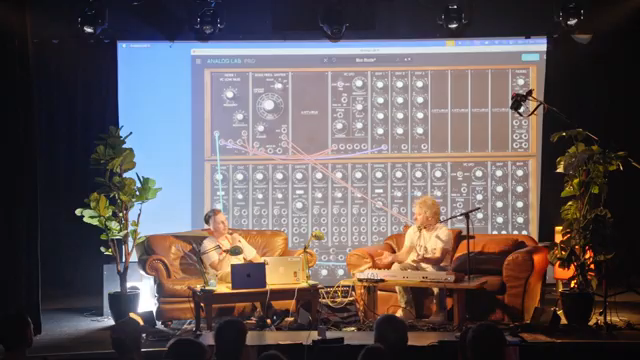
"Well, for me, Moog was all about the big bottom. It has girth."
© Screenshot/Quote: Noisegate (YouTube)
Icons, Anthems, and the Soundtrack to Your Life
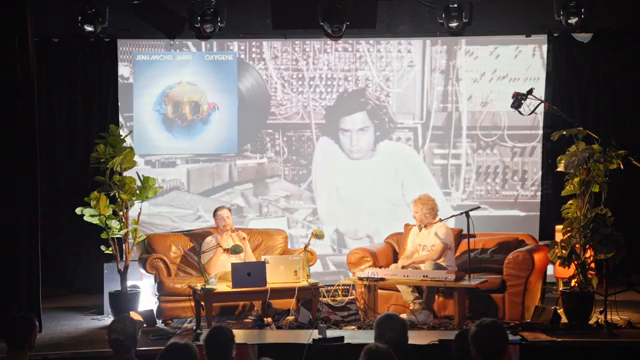
"That's one thing that you're going to realise when we go through this history and all these examples of these instruments, is that each instrument has its own distinct sound."
© Screenshot/Quote: Noisegate (YouTube)
It wouldn’t be synth history without a parade of legends. We get stories and riffs from the likes of Emerson, Wakeman, Herbie Hancock, Giorgio Moroder, Jean-Michel Jarre, and Vangelis. Noisegate doesn’t just name-drop—they showcase how these machines literally invented genres and movie soundtracks. From the ARP 2600’s R2-D2 chirps to Pink Floyd’s ‘On the Run’ on an EMS Synthi, it’s a who’s-who of gear and tracks that rewired pop culture.
You’ll hear about Fairlight’s digital wizardry, Kate Bush’s sampled cellos, and how synths crashed the Hollywood gates. If you want to hear Luke nail these licks live (or argue about what Herbie used on ‘Chameleon’), the video’s your ticket to the bunker. Some moments just don’t translate to text—they need to be heard at full tilt.
MIDI Mayhem and Sampling’s Big Bang
Technology isn’t just a backdrop—it’s the main event. Lachlan and Luke break down how MIDI turned synths from isolated divas into a full-on orchestra, all chatting like old mates in a pub. Before MIDI, every brand spoke its own weird dialect. Afterward, everyone played nice: Oberheim, Roland, Yamaha, the lot. It’s a rare story of electronic peace and love, and it opened the floodgates for performance rigs and modular chaos.
Sampling gets its flowers too. From the Synclavier to the Fairlight CMI, digital became the new punk rock, letting anyone stuff a cello or a car crash into their next hit. The AstroLab’s ability to jump between these worlds shows how far we’ve come—and how much of the old-school magic still matters.
2026: Nostalgia and Future Freakouts
Wrapping up, the duo reflect on the current synth landscape: a wild, glorious mess of software, hardware, clones and classics. There’s more choice than ever, but the old gear still packs a punch—whether you’re a nostalgia junkie or a next-gen sound hacker. The memorable takeaway? You don’t need original vintage to make bangers. Use what inspires you—AstroLab, soft synths, or battered analog boxes.
Luke’s most treasured kit? The Oberheim OB-8. Most undervalued? Turns out, he loves them all. If you’re looking for the real action, get your hands on the gear and watch the video—some synth stories just need to be experienced live, with the volume set to stun.

"When I'm looking at synthesizers in general, it's about inspiration, like how this piece of gear, it inspires me to make music and enjoy playing."
© Screenshot/Quote: Noisegate (YouTube)
This article is also available in German. Read it here: https://synthmagazin.at/noisegate-luke-million-synths-die-die-buehne-und-omas-porzellanschrank-erschuetterten/
More articles about these products:
 Nebulae in the Machine: Daniele Ippolito on Yes’ Sonic Rebirth with 90125
 AudioPilz Declares Synth War: Who’s the Real Heavyweight Champion?
 Starsky Carr Throws Down: Jupiter-8 vs Magnolia – Who Actually Wins?
 Starsky Carr’s £15,000 Synth Soup: Analog Royalty, Now in Your Serum
 David Hilowitz Music Unleashes the FM-1: DX7 Vibes for Pocket Money
 Voltage Labs: When Sound Becomes Liquid—The Emotional Journey of Sampling
 Daniele Ippolito Illuminates the Shadows of a-ha’s ‘Scoundrel Days’
 Espen Kraft’s Model 8: Tape Dreams in a DAW Nightmare
 Voltage Labs Unleash the Arturia AstroLab: Stage Weapon or Studio Sidekick?
 Devin Belanger’s Vintage Synth Obsession: Old Dogs, New Tricks, Zero Menus
 Starsky Carr Throws Down: Behringer JT-2 vs Jupiter-8 – Clone or Clown?
 Starsky Carr’s Prophet 5 Showdown: The GForce VST Throws Down with Hardware
Watch on YouTube:
Latest articles
Watch on YouTube:
Visit the channel:
https://www.youtube.com/Noisegate
https://www.youtube.com/Noisegate
Links from Noisegate:
Website: https://noisegate.com.au/
Facebook: https://www.facebook.com/noisegateAUS
Instagram: https://www.instagram.com/noisegate_aus/
YouTube: https://www.youtube.com/c/Noisegate
Linktree: https://linktr.ee/noisegate_aus
Sponsored links:
If you purchase via these links, we may earn a small commission – at no extra cost to you. The link opens an Amazon keyword search, and results may vary depending on availability.
ARP 2600
🔗 Check price on Amazon
🔗 Check price on Amazon
Arturia Astrolab
🔗 Check price on Amazon
🔗 Check price on Amazon
Arturia Pigments
🔗 Check price on Amazon
🔗 Check price on Amazon
EMS Synthi AKS
🔗 Check price on Amazon
🔗 Check price on Amazon
Fairlight CMI
🔗 Check price on Amazon
🔗 Check price on Amazon
Korg MS-20
🔗 Check price on Amazon
🔗 Check price on Amazon
Moog System 55
🔗 Check price on Amazon
🔗 Check price on Amazon
Oberheim OB-8
🔗 Check price on Amazon
🔗 Check price on Amazon
Oberheim OB-X
🔗 Check price on Amazon
🔗 Check price on Amazon
Roland Juno 6
🔗 Check price on Amazon
🔗 Check price on Amazon
Roland Jupiter-8
🔗 Check price on Amazon
🔗 Check price on Amazon
Sequential Prophet-5
🔗 Check price on Amazon
🔗 Check price on Amazon
Synclavier II
🔗 Check price on Amazon
🔗 Check price on Amazon
Yamaha CS-80
🔗 Check price on Amazon
🔗 Check price on Amazon
Yamaha DX7
🔗 Check price on Amazon
🔗 Check price on Amazon