Voltage Labs invites us to drift through the shifting fog of sampling, a world where recorded sound becomes as malleable as memory itself. In this poetic meditation on machines and makers, the sampler is not a tool but a vessel—transforming fragments into new sonic landscapes. We are guided through the flicker and grain of Fairlight, Akai, and MPC, where every limit becomes a portal and every imperfection a fingerprint. Here, music is no longer fixed: it is cut, looped, scattered—reborn with every touch.
31. August 2026
LUMINA
Voltage Labs: When Sound Becomes Liquid—The Emotional Journey of Sampling
Akai MPC 3000, Akai MPC 60, Akai S01, Akai S950, Emu SP-1200, Emulator, Ensoniq ASR-10, Ensoniq Mirage, Fairlight CMI, Roland S760
Echoes Unbound: The Birth of a New Instrument
Sampling is the art of dissolving boundaries; it takes a captured moment—a drum break, a breath, a chime—and lets it drift free from its origin. Voltage Labs opens the story with a gentle invocation, reminding us that without sampling, our musical landscape would be a far less shimmering place. Here, sound is not a static photograph but a liquid narrative, stretched and sculpted by artists searching for new forms. Pierre Schaeffer’s musique concrète is the first crack in the old order—a world of trains, machinery, and voices cut and looped with tape and scissors. The recording, once a relic or a document, is now a living thing.
The conceptual leap, Voltage Labs insists, is as vital as the technological one. A recording becomes clay. Looping, reversing, slicing—these are gestures of reimagination, not just reproduction. Before samplers had memory banks or digital pads, the transformation was physical and painstaking, but even then, the seeds of sonic storytelling took root. Every snip of tape is an act of faith in the possibility of change.
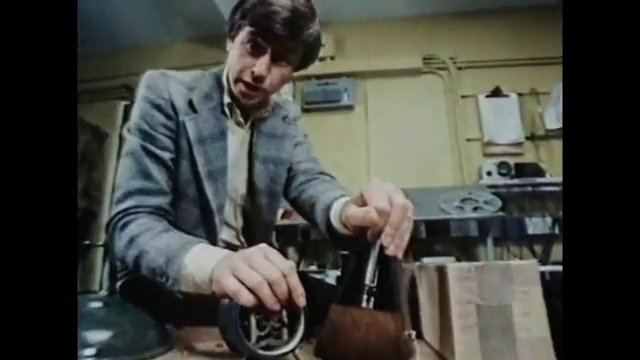
"The important shift wasn't only technological, it was conceptual. A recording was no longer simply a document of a performance."
© Screenshot/Quote: Voltage Labs (YouTube)
Machines as Portals: Fairlight, MPC, and the Digital Awakening
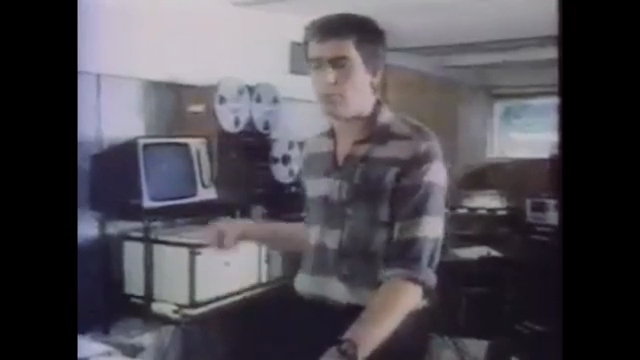
"The Fairlight introduced a radical idea. Almost anything could become playable."
© Screenshot/Quote: Voltage Labs (YouTube)
With the arrival of the Fairlight CMI, the sampler became a vessel for dreams. Suddenly, a glass breaking could become the pulse of a track, a voice could turn into melody, and the world’s debris was playable—mapped across a keyboard like constellations on a sky chart. Voltage Labs traces how these early machines, with their fuzzy edges and tight limitations, forced artists to carve meaning from scarcity. Peter Gabriel and others dove into the static, fusing samples with electronic textures, making the imperfect beautiful.
Yet these machines were rarefied, locked behind the gates of price and complexity. As the Emulator, Ensoniq Mirage, and Akai MPC entered the scene, sampling trickled into smaller studios and bedrooms. The MPC 60’s pads gave fingers a new vocabulary—chopping, stacking, and performing in real time. The sampler was no longer just a storage box; it became a partner in rhythm and manipulation. Voltage Labs lingers on these devices not as cold hardware, but as portals—each with its own magnetic resonance, quirks, and ghosts.
From Fragments to Nebulae: Techniques and Genres Emerge
Sampling is not only about the machines, but the hands and hearts that wield them. Voltage Labs conjures the evolution of technique—chopping, time stretching, slicing beats into their atomic parts. As hip-hop and jungle producers began to rearrange fragments, the music became less about echoing the past and more about building new sonic architectures from its ruins. The amen break is not just a loop; it is a nebula, exploding and recombining in infinite variations.
The video dwells on microhouse, French house, and the rise of microsampling—where the tiniest grain of sound becomes the seed for an entire world. Artists like Jan Jelinek, Akufen, and Todd Edwards use samples like brushstrokes, painting with milliseconds and breaths. Each technique is a leap into abstraction, a way of finding hidden music inside noise and forgotten records. The sampler is a microscope and a telescope: revealing universes in the dust.
Beautiful Constraints: How Imperfections Shaped Sonic Art
Voltage Labs guides us to the core paradox of sampling: its greatest innovations often spring from its limitations. Memory is short, resolution is rough, and yet these boundaries become sources of inspiration rather than obstacles. The grunge, the hiss, the awkwardness of old machines are not flaws to be erased, but textures to be savored.
As software erases these limits, a strange nostalgia arises for the grit and unpredictability of early hardware. The sampler’s story, as told here, is not one of steady progress, but of recurring rediscoveries—where the imperfect and the incomplete become the raw material for new forms. The transformation, not perfection, is the real magic.
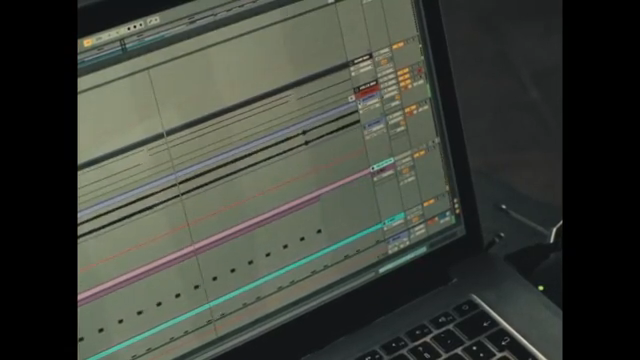
"And ironically, the imperfections engineers had once tried to eliminate became desirable again."
© Screenshot/Quote: Voltage Labs (YouTube)
Beyond Words: Experience the Resonance
No written summary can fully transmit the magnetic pull of these sounds or the visual poetry of Voltage Labs’ storytelling. The video itself is a tapestry of audio ghosts and historical fragments—best absorbed with headphones and a willingness to drift. For those who want to feel the true weight of each chop and echo, the original film is the only map.
This article is also available in German. Read it here: https://synthmagazin.at/voltage-labs-wenn-klang-fluessig-wird-die-emotionale-reise-des-samplings/
More articles about these products:
 Noisegate & Luke Million: Synths That Shook the Stage (and Your Nan’s China Cabinet)
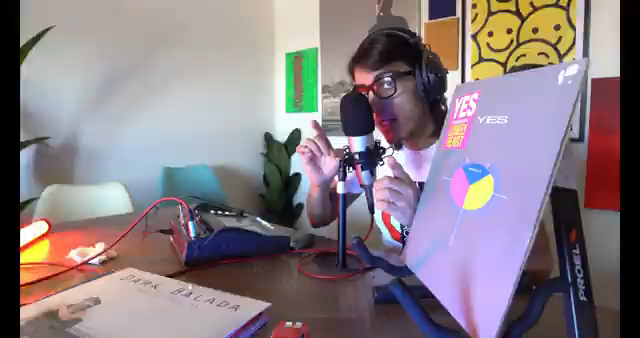 Nebulae in the Machine: Daniele Ippolito on Yes’ Sonic Rebirth with 90125
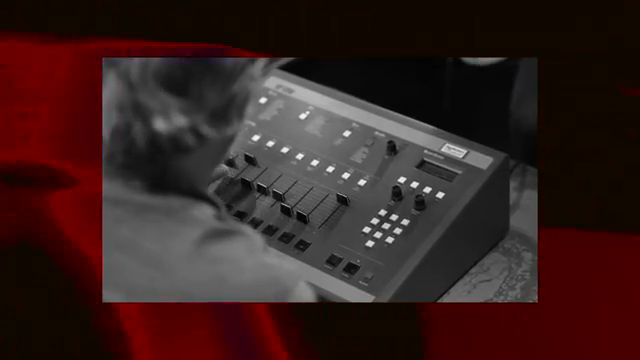 Voltage Labs and the Alchemy of French House: A Sonic Tapestry Unveiled
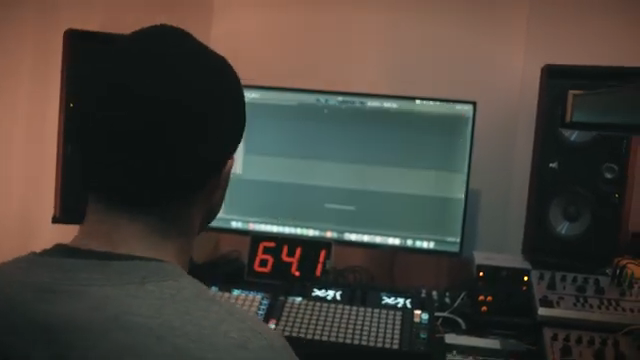 Voltage Labs x Space Dimension Controller: Amsterdam Studio Tour with Sampler Obsession and Acid Tech Tricks
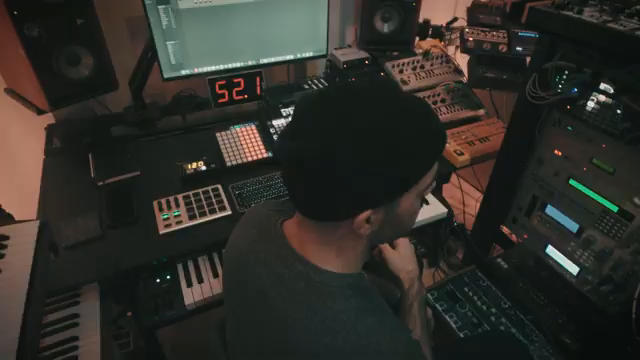 Voltage Labs: Space Dimension Controller and the Ghosts in the Akai Machine
 Voltage Labs Digs Deep: J Dilla’s Groove Legacy Still Bangs 20 Years Later
 Tonepusher Illuminates the Sonic Ghosts of ‘Pretty Hate Machine’
 Doctor Mix’s Sonic Revolution: 7 Synths That Shook the World
 Tonepusher’s Industrial Throwback: A Wax Trax! Revival
Watch on YouTube:
Latest articles
Watch on YouTube:
Visit the channel:
https://www.youtube.com/voltage_labs
https://www.youtube.com/voltage_labs
Links from voltage_labs:
instagram: https://www.instagram.com/voltage.labs
Sponsored links:
If you purchase via these links, we may earn a small commission – at no extra cost to you. The link opens an Amazon keyword search, and results may vary depending on availability.
Akai MPC 3000
🔗 Check price on Amazon
🔗 Check price on Amazon
Akai MPC 60
🔗 Check price on Amazon
🔗 Check price on Amazon
Akai S01
🔗 Check price on Amazon
🔗 Check price on Amazon
Akai S950
🔗 Check price on Amazon
🔗 Check price on Amazon
Emu SP-1200
🔗 Check price on Amazon
🔗 Check price on Amazon
Emulator
🔗 Check price on Amazon
🔗 Check price on Amazon
Ensoniq ASR-10
🔗 Check price on Amazon
🔗 Check price on Amazon
Ensoniq Mirage
🔗 Check price on Amazon
🔗 Check price on Amazon
Fairlight CMI
🔗 Check price on Amazon
🔗 Check price on Amazon
Roland S760
🔗 Check price on Amazon
🔗 Check price on Amazon