When Starsky Carr puts the GForce Prophet 5 VST up against his own Sequential hardware, it’s not just another plugin demo—it’s a full-on rave bunker lab test. He slices through vintage mode, filter revisions, and oscillator shapes like a DJ with a grudge. This isn’t your usual “is it analog enough?” hand-wringing. Starsky’s clinical, brutal, and just cheeky enough to call out subtle quirks and proper wins. If you think all Prophet 5 emulations are the same, you’re about to get schooled. Grab your headphones, mind your CPU meter, and prepare for a synth face-off that’s as nerdy as it is no-nonsense.
17. June 2026
SPARKY
Starsky Carr’s Prophet 5 Showdown: The GForce VST Throws Down with Hardware
Sequential’s Golden Ticket: The Official Prophet 5 VST
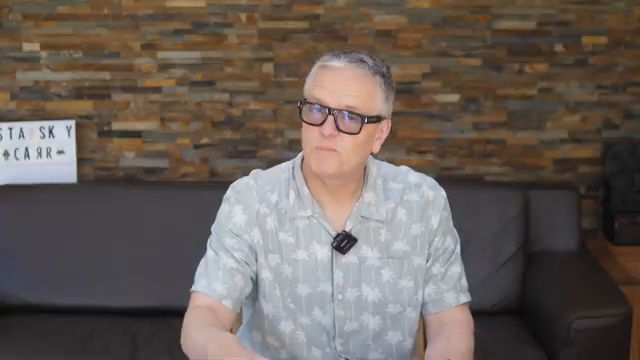
Right out the gate, Starsky Carr isn’t here for another tired Prophet 5 clone. The GForce Prophet 5 is unique for a reason: it’s the only software synth that’s actually endorsed by Sequential, which means it’s not just another knock-off with a fancy paint job. If you’re after that badge and the bragging rights, this is the VST that can legally call itself a Prophet 5, and that’s not something you see every day in plugin land.
What’s even better? This VST models the Rev 1, 2, and 3 filters and envelopes, so you can flick between historic Prophet flavours without needing to remortgage your flat. Starsky’s intro isn’t just hype—it’s a heads-up that this isn’t just a Prophet 5 for the masses, it’s a serious contender that wants to play with the big boys.
"It's the only one that's endorsed by Sequential themselves."
© Screenshot/Quote: Starskycarr (YouTube)
Software vs Hardware: Spot the Difference (Go On, Try)
"Super close, though, is if you think there's a difference there, it's the difference that you'd get in two instruments."
© Screenshot/Quote: Starskycarr (YouTube)
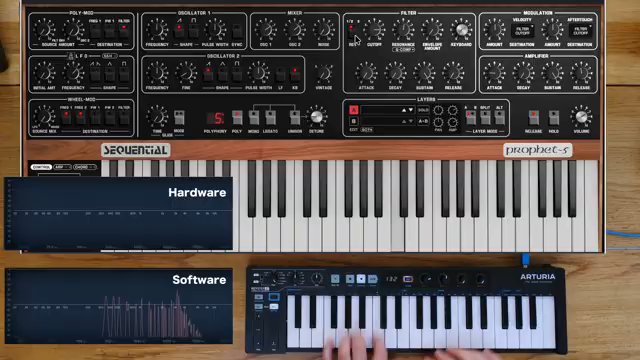
Starsky fires up his lab gear and puts the GForce VST and hardware Prophet 5 toe-to-toe, filter sweeps and resonance peaks blazing. The verdict? Unless you’re obsessing over semitone tuning quirks or squinting at an oscilloscope, you’ll struggle to hear a difference. The plugin matches the hardware for envelope snap, oscillator drift, and that classic Prophet sizzle. Even when he cranks through filter revisions and waveforms, the differences are so minor they might as well be the variance between two vintage Prophets on a bad day.
Sure, there are subtle tuning wobbles and a few harmonics here and there, but nothing that’s going to ruin your next acid banger. Starsky’s not pulling punches—if something stuck out, he’d shout about it. But here, the GForce Prophet 5 is just plain close. It’s a toaster-fight where both sides come out crispy.
More Than a Prophet: Vintage Mode, Unison, Modulation Madness
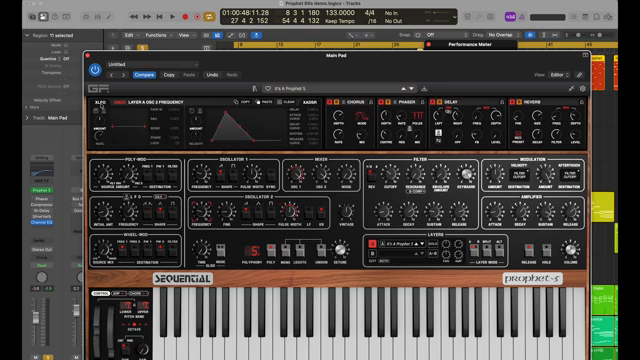
Where the GForce Prophet 5 leaves the original in the dust is in the extras. Unison mode stacks voices in classic style, but with the vintage mode engaged, you get that wild, voice-by-voice character where some notes sound gloriously knackered—just as nature and bad solder joints intended. The vintage mode here isn’t just “slop,” it’s that real, unpredictable analogue misbehaviour baked in, and yes, you can hear it.
Then there’s the modulation game. X-Mod lets you slap LFOs and envelopes onto basically anything, with CC modulation and up to 10 voices—blowing past the hardware’s limits. Two layers, full polyphony, and an effects section take this VST from faithful emulation to full-on synth playground. Starsky rightly calls it Prophet 5 on steroids, and for once, it’s not just marketing fluff.
"It's not just a Prophet 5. It's a Prophet 5 on steroids."
© Screenshot/Quote: Starskycarr (YouTube)
Lean Machine: CPU Efficiency That Shames Your Mastering Chain
"Ozone on the Master uses about double what 10 of the VSTs use."
© Screenshot/Quote: Starskycarr (YouTube)
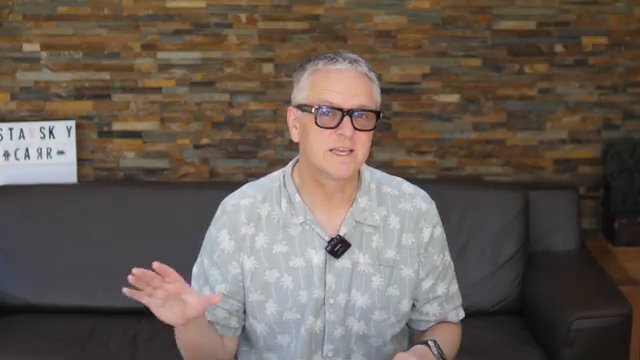
If you’re scared of running 10 instances of a vintage emulation, relax—this thing sips CPU like it’s on a diet. Starsky stacks up ten tracks of the GForce Prophet 5 and finds his DAW’s CPU meter is barely sweating, especially compared to a single instance of Ozone on the master. That’s not just a win for budget laptops; it’s a green light for layering pads, leads, and basses without crashing your session mid-jam.
GForce has form here—their old MiniMonsta was already famed for running on potato-level machines. The Prophet 5 VST keeps that legacy alive. If you want to build a synth wall without your computer flipping the breaker, this is your new secret weapon.
For the True Nerds: A/B Sound Showdown and Sonic Details
Let’s be real: if you want to hear every filter nuance and oscillator harmonic, you need to watch the video and crank your monitors. Starsky’s A/B comparisons are forensic—he’ll show you the tiny differences in filter resonance, oscillator shape, and even the way sync mode starts an octave lower in the VST. There are moments where the hardware’s instability shines, and times when the plugin does things only code can do.
But here’s the punchline: in a mix, you’ll never notice the difference. The only real way to appreciate the Prophet’s quirks is to see and hear them in real time. For the synth trainspotters and Prophet purists, Starsky’s lab demo is pure gold. For everyone else, just know this: the GForce Prophet 5 VST is criminally close to the real deal, with a few bonus tricks to keep you coming back.
This article is also available in German. Read it here: https://synthmagazin.at/starsky-carrs-prophet-5-showdown-das-gforce-vst-legt-sich-mit-der-hardware-an/
More articles about these products:
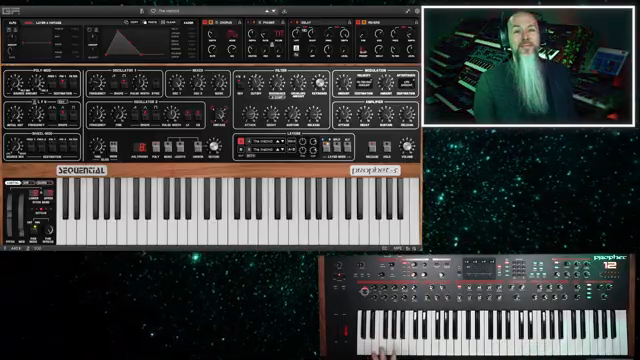 Vulture Culture vs. the GForce Prophet-5: Vintage Synth, Modern Mayhem
 Optoproductions Illuminates the Sonic Tapestry of Allert Aalders: A Journey Through Dutch Synth Lore
 Doctor Mix Throws Down: Prophet-5 vs Prophet-10 – Analog Titans in a Street Fight
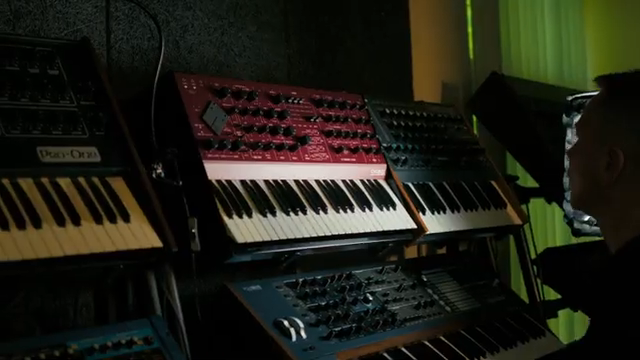
 Starsky Carr’s Synth Bunker: Vintage Heat Meets Modern Muscle
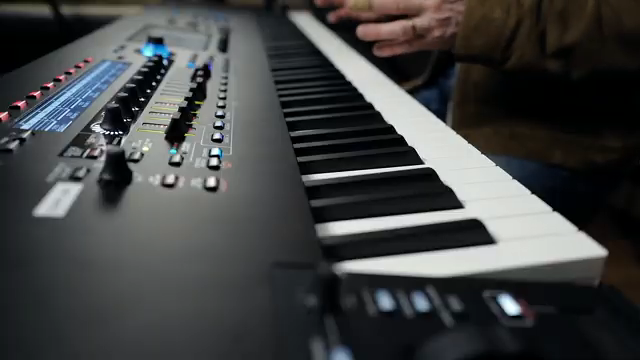 Matt Johnson’s Keyspace: The 2025 Keyboard Killers – No Filler, Just Fire
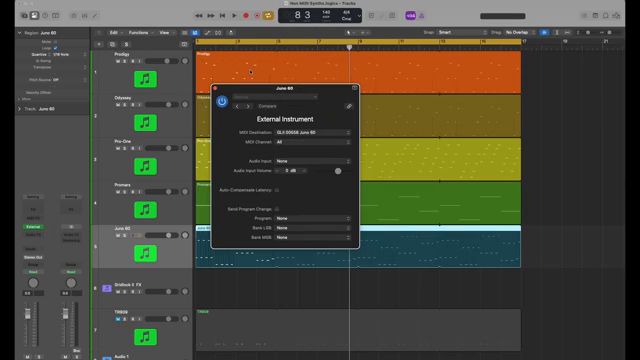 Starsky Carr’s Gridlock II Review: MIDI Mayhem, Sorted
 Tonepusher’s FOURM Frenzy: Is Sequential’s New Beast the Next Industrial Street Weapon?
Watch on YouTube:
Latest articles
Watch on YouTube:
Visit the channel:
https://www.youtube.com/StarskyCarr
https://www.youtube.com/StarskyCarr
Links from StarskyCarr:
Patreon: https://patreon.com/starskycarr
Instagram: https://instagram.com/starskycarr
Facebook: https://facebook.com/StarskyCarrOfficial
Sponsored links:
If you purchase via these links, we may earn a small commission – at no extra cost to you. The link opens an Amazon keyword search, and results may vary depending on availability.
GForce Prophet-5
🔗 Check price on Amazon
🔗 Check price on Amazon
Sequential Prophet-5
🔗 Check price on Amazon
🔗 Check price on Amazon