If your studio timing is as tight as a soggy biscuit, Starsky Carr’s latest deep-dive is the slap in the face you need. He takes the Innerclock Systems Gridlock II—a chunky, no-nonsense timing hub—and puts it through its paces, syncing everything from ancient ARPs to modern USB synths with clockwork precision. Expect sarcasm, real-world gripes, and a proper teardown of why DAW MIDI clocks just don’t cut it. Starsky’s trademark clarity and relentless honesty make this a must-watch for anyone tired of MIDI drift, jitter, and the eternal battle to keep their gear in line. Plug in, tune up, and prepare for some serious groove discipline.
19. December 2025
SPARKY
Starsky Carr’s Gridlock II Review: MIDI Mayhem, Sorted
ARP Odyssey, Arturia PolyBrute, Innerclock Systems Gridlock II, Moog Prodigy, Oberheim OB-X8, Roland Juno-60, Roland ProMars, Roland TR-909, Sequential OB-6, Sequential Prophet-5, Waldorf Microwave XT
The Timing Nightmare: Why Gridlock II Exists
Let’s face it—if you’ve ever tried to wrangle a studio full of synths, you know the pain of MIDI jitter and DAW clock slop. Starsky Carr kicks off by painting a familiar picture: vintage kit, modern gear, and a timing mess that makes you want to sell the lot and go back to a four-track. He’s been there, done that, and got the T-shirt—selling off racks of ‘90s gear only to realise that ITB isn’t half as fun when your hardware’s gathering dust.
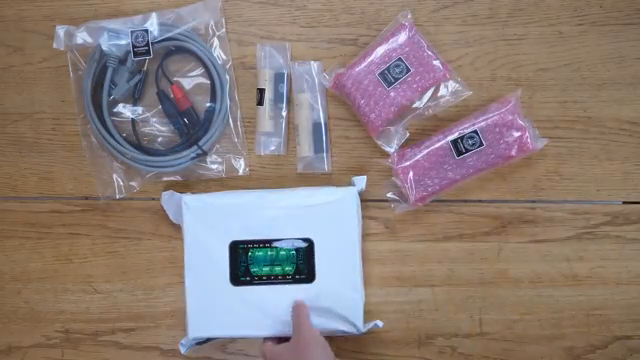
Enter the Gridlock II, Innerclock’s latest weapon in the war on sloppy timing. Starsky lays out the problem: DAW MIDI clocks just can’t keep up, and trying to sync everything is a recipe for frustration. The Gridlock II promises to end the chaos, letting you play everything from a Prodigy to a 909 in perfect sync, no matter how weird your setup. If you’ve ever wanted your studio to feel less like a toaster-fight and more like a rave bunker, this is the bit to pay attention to.
Audio-Based Clocking: Precision That Hurts
Here’s where things get spicy. The Gridlock II doesn’t bother with your DAW’s flaky MIDI clock—instead, it generates its own clock from a stereo audio signal, courtesy of a plug-in. The result? Jitter as low as 20 microseconds. That’s not just tight, it’s surgical. Starsky’s jaw drops at the numbers: port-to-port skew below five microseconds, CV/gate triggers under 50 nanoseconds. If it got any faster, you’d need a DeLorean to keep up.
This audio-based approach means every hit, swing, and flam lands exactly where you want it. No more hi-hats drifting off like they’re on a night bus. The difference is so obvious, even your 909 will start behaving. It’s the kind of timing that makes you want to dig out every crusty drum machine you own just to see what it can really do. Watching the video, you can practically feel the groove snapping into place—something words can’t quite capture.
"It gives us a system that has a ridiculously low MIDI jitter of up to 20 microseconds."
© Screenshot/Quote: Starskycarr (YouTube)
Old Meets New: Vintage and Modern Gear in Perfect Sync
"I've had a massive smile on my face ever since I've started using it and I've hooked all this gear up together."
© Screenshot/Quote: Starskycarr (YouTube)
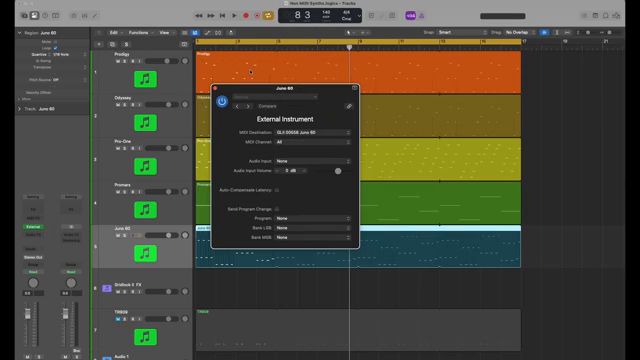
Starsky’s studio is a graveyard of synth legends—ARP Odyssey, Minimoog, Prodigy, Juno-60—all non-MIDI, all now playing ball thanks to the Gridlock II. He shows how you can name every device, patch them in via MIDI, DIN Sync, USB, or CV/gate, and have them show up in Logic as if they were fresh-off-the-line MIDI workstations. It’s like giving your old gear a new passport and a first-class ticket to the modern world.
The real kicker? You can mix and match: USB synths, MIDI modules, and crusty analogs all locked together, no drama. The video is a masterclass in integration, but the real magic is in how responsive everything feels. Starsky’s not just showing off—he’s grinning like a kid in a sweet shop, and you can tell this isn’t just theory. If you want to see a studio actually working as a single instrument, this is your blueprint.
DAW Clock vs Gridlock II: The Showdown
Starsky doesn’t just talk the talk—he lines up a proper timing shootout. With the TR-909 running its own pattern, he compares DAW clocking to the Gridlock II. The DAW’s timing drifts in and out like a dodgy Wi-Fi signal, while the Gridlock II keeps every hit locked, tight, and relentless. The difference isn’t subtle—it’s the kind of thing you feel in your chest, not just your ears. If you’ve ever wondered whether all this clock fuss actually matters, the video’s side-by-side demo will make you a believer. Some things you just have to see (and hear) to believe.

"The timing isn't as precise as the one on the bottom, which is absolutely as tight as you can get with every single hit."
© Screenshot/Quote: Starskycarr (YouTube)
Who Needs It? Use Cases, Limitations, and Live Power

"So we have definitely left Behringer budget territory here."
© Screenshot/Quote: Starskycarr (YouTube)
So, who’s this for? Starsky is blunt: Gridlock II is a pro tool, priced way out of Behringer territory. If you’re running a sprawling setup with vintage and modern gear, or you need bulletproof timing for live shows, it’s a no-brainer. The standalone mode means you can leave the laptop at home and trust your rig won’t fall apart mid-set. For the rest of us, it’s aspirational—like a Ferrari for your MIDI.
But it’s not all roses. If you’re firing off loads of SysEx or using complex MIDI controllers, the Gridlock II can get a bit clogged (at least until a future firmware update). And at over two grand, you’ll need to really care about timing to justify it. Still, compared to cobbling together a mess of converters and interfaces, it starts to look like a bargain. Starsky’s verdict? If you’ve got a studio full of unruly gear, this is the street weapon you’ve been waiting for.
This article is also available in German. Read it here: https://synthmagazin.at/starsky-carrs-gridlock-ii-im-test-midi-chaos-nicht-mehr/
More articles about these products:
 Starsky Carr’s JN80 vs Juno 60: Battle of the Budget Bangers
 Arturia’s AstroLab: Classic Sounds, Modern Stage – Through Philippe Brodu’s Workflow
 Noisegate & Luke Million: Synths That Shook the Stage (and Your Nan’s China Cabinet)
 Voltage Labs and the Alchemy of French House: A Sonic Tapestry Unveiled
 Summit Stays Supreme: The Midlife Synthesist’s One-Year Verdict
 Starsky Carr’s Prophet 5 Showdown: The GForce VST Throws Down with Hardware
 Voltage Labs x Space Dimension Controller: Amsterdam Studio Tour with Sampler Obsession and Acid Tech Tricks
 musotalk deconstructed: Vintage Synthesizers, Reissues and the Truth Behind the Classic Myth
 Optoproductions Illuminates the Sonic Tapestry of Allert Aalders: A Journey Through Dutch Synth Lore
 Tonepusher’s Industrial Synth Arsenal: Five Sounds That’ll Smash Your Speakers
 Doctor Mix Throws Down: Prophet-5 vs Prophet-10 – Analog Titans in a Street Fight
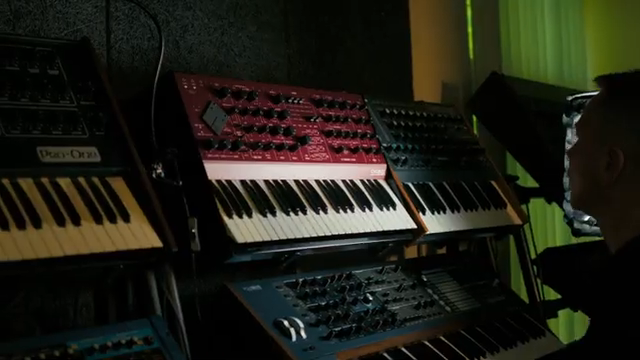
 Starsky Carr’s Synth Bunker: Vintage Heat Meets Modern Muscle
Watch on YouTube:
Latest articles
Watch on YouTube:
Visit the channel:
https://www.youtube.com/StarskyCarr
https://www.youtube.com/StarskyCarr
Links from StarskyCarr:
Patreon: https://patreon.com/starskycarr
Instagram: https://instagram.com/starskycarr
Facebook: https://facebook.com/StarskyCarrOfficial
Sponsored links:
If you purchase via these links, we may earn a small commission – at no extra cost to you. The link opens an Amazon keyword search, and results may vary depending on availability.
ARP Odyssey
🔗 Check price on Amazon
🔗 Check price on Amazon
Arturia PolyBrute
🔗 Check price on Amazon
🔗 Check price on Amazon
Innerclock Systems Gridlock II
🔗 Check price on Amazon
🔗 Check price on Amazon
Moog Prodigy
🔗 Check price on Amazon
🔗 Check price on Amazon
Oberheim OB-X8
🔗 Check price on Amazon
🔗 Check price on Amazon
Roland Juno-60
🔗 Check price on Amazon
🔗 Check price on Amazon
Roland ProMars
🔗 Check price on Amazon
🔗 Check price on Amazon
Roland TR-909
🔗 Check price on Amazon
🔗 Check price on Amazon
Sequential OB-6
🔗 Check price on Amazon
🔗 Check price on Amazon
Sequential Prophet-5
🔗 Check price on Amazon
🔗 Check price on Amazon
Waldorf Microwave XT
🔗 Check price on Amazon
🔗 Check price on Amazon