Anyone who thinks a synthesizer is just a tool has underestimated the ethics of machines. Musotalk gathers not only scene heavyweights like Michael Soltau, but also a concentrated dose of practical knowledge, anecdotes, and critical reflection on vintage synthesizers, reissues, and clones. Between nostalgia, maintenance frustration, and sonic magic, this talk unfolds, illuminating the patch geometry between emotional attachment and technical reality. If you want to know why an OB-X8 is not simply an OB-X and why working with old gear sometimes requires more patience than talent, you shouldn’t miss this discussion. The truth, as so often, lies somewhere between drift, haptics, and the question of whether the Ship of Theseus is still afloat.

28. April 2026
RAUMKLANG
musotalk deconstructed: Vintage Synthesizers, Reissues and the Truth Behind the Classic Myth
Behringer DeepMind, Behringer K2, Korg Electribe, Korg MS-20, Korg MS-50, Korg SQ-10, Moog Minimoog, Moog Voyager, Oberheim OB-X, Oberheim OB-X8, Oberheim Xpander, Roland Jupiter-8, Roland SH-5, Yamaha CS-80
Patch Geometry: Vintage vs. Reissue
The debate about vintage synthesizers and their modern reissues is a prime example of machine ethics in music production. Musotalk brings in Michael Soltau, an expert who not only collects but actually uses his instruments in productions. The question of whether it’s still worth buying an old original or if a reissue—from Oberheim, Korg, or Behringer—might be the more sensible choice is not treated as a matter of faith. Instead, it’s clear: it’s about more than just sound—it’s about workflow, haptics, and the emotional relationship to the device.
The panel quickly makes it clear that a vintage synthesizer is not a neutral sound generator, but an instrument with history, quirks, and flaws. Choosing an original also means embracing unpredictability in daily use: live performance, studio practice, and the inspiration that comes from direct hardware access stand against the convenience and reliability of modern clones. The patch geometry shifts depending on your priorities—and the truth lies somewhere between nostalgia and repair bills.
Machine Ethics in Everyday Life: Repairs, Maintenance and Support
Practice shows: if you want vintage, you need patience—and a good ear for the unpredictable. The panel shares tour experiences where power supplies fail or knobs break off—sometimes all it takes is a temperature drop in Eastern Europe to send an LED to nirvana. Often, it’s the small, inconspicuous defects that turn workflow into an adventure.
Support structures and spare parts procurement become their own cosmos. While some classics like the Korg MS-20 still have replacement parts and reproductions available, owners of devices with custom chips—such as the Yamaha CS series—quickly reach the limits of what’s feasible. The scene thrives on specialists and forums where knowledge and spare parts are traded like rare spices. Anyone diving into vintage should have not only a soldering iron, but also a network of technicians and like-minded people.
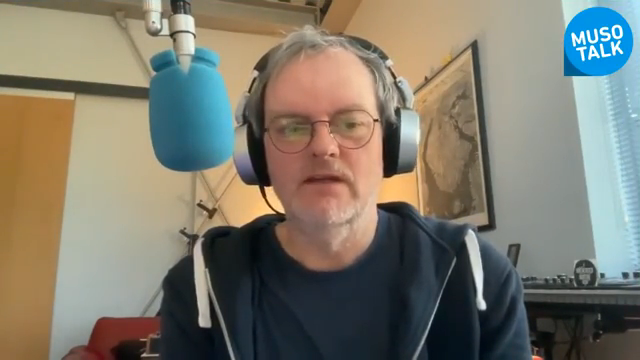
"This happens often: you repair something, even as an expert, set everything right, only to find you've triggered a follow-up error with the repair."
("Sowas hat man halt oft, da repariert man und auch als Experte repariert man und stellt alles wieder richtig ein, nur um dann festzustellen, dass man vielleicht mit der Reparatur einen Folgefehler produziert hat.")© Screenshot/Quote: Musotalk (YouTube)
Sonic Spaces and Subjective Perception: The Original in the Mix
"When you come to the museum and have seen 50 YouTube videos about the Minimoog, and then you see the real thing in front of you, plugged in and ready to test with headphones, you really get a racing heart, I think."
("Wenn du in das Museum kommst und 50 YouTube-Videos über den Minimoog gesehen hast und das Teil dann wirklich einmal vor dir siehst, ein Original, angeschlossen, mit Kopfhörer-Antest bereit, dann kriegst du schon Herzklopfen, denke ich mal.")© Screenshot/Quote: Musotalk (YouTube)
After all the technical stumbling blocks, the focus shifts to the sonic dimension. The Musotalk team describes how the experience of having a real Minimoog or OB-X in front of you goes far beyond what YouTube videos or plug-ins can convey. The haptics, the look, and the knowledge of an instrument’s history create an aura that becomes noticeable in the production process. The sound folds like origami from tension and noise—and sometimes it’s precisely this mix of flaws and quirks that creates magic moments in the studio.
Yet in the mix, a paradoxical truth often emerges: the most expensive or “authentic” sound doesn’t always win. Blind tests reveal that subjective perception, expectations, and your own playing feel often have more influence than the technical origin of the sound. Working with true classics requires patience—and sometimes it’s the imperfection that makes a track unique.
Nostalgia Meets Machine Reality
Nostalgia is a powerful engine—but technical reality catches up with even the biggest romantics. The discussion about the Ship of Theseus gets to the heart of the matter: if you gradually replace every part of a vintage synthesizer, is it still the original? The sum of component tolerances, solder joints, and microvolt differences defines an instrument’s character. But in the end, for the audience and many musicians, it’s less about technical details and more about the feeling you get when playing. The myth lives on—but it costs time, money, and nerves.
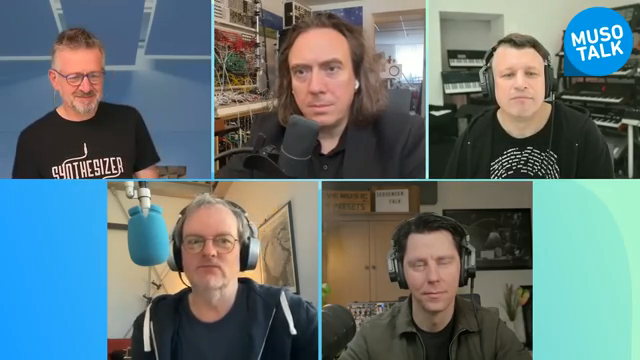
"What happens if you take a frigate—a wooden sailing ship—and replace every part with an identical one? Is it still the same ship or a different one?"
("Was passiert, wenn man eine Fregatte, also ein Holz, ein Segelschiff, sich hinstellt und jedes Teil dieses Schiffes durch ein ebendürtiges Teil austauscht? Ist es dann noch dasselbe Schiff oder ist es ein anderes Schiff?")© Screenshot/Quote: Musotalk (YouTube)
Clone or Plug-in? Human-Machine Borderlands
Finally, Musotalk broadens the view to clones and software emulations. The panel agrees: modern plug-ins and clones can get astonishingly close to the original sound—at least on paper. But the human-machine relationship shifts. Interacting with a mouse and screen activates different regions in the brain than turning real knobs. Some feel more comfortable with the mouse, others need the resistance of a real control. Machine ethics remain intact: it’s not just about sound, but about the musical experience.
At the border between hardware and software, it’s clear that gain staging, dynamics, and the “feel” while playing often have more impact on the result than whether a filter is analog or digital. The truth about classics and their clones remains multifaceted—and if you want to experience the full patch geometry, you should definitely watch the talk in the video.
Translated from German. Read the original here: https://synthmagazin.at/musotalk-dekonstruiert-vintage-synthesizer-reissues-und-die-wahrheit-hinter-dem-klassiker-mythos/
More articles about these products:
 DivKid’s Square Pedal Test: West Coast Chaos in a Box
 Noisegate & Luke Million: Synths That Shook the Stage (and Your Nan’s China Cabinet)
 AudioPilz Declares Synth War: Who’s the Real Heavyweight Champion?
 Starsky Carr Throws Down: Jupiter-8 vs Magnolia – Who Actually Wins?
 AutomaticGainsay Unleashes the Behringer MS-5: VCA Mayhem in Modern Clothes
 Espen Kraft’s Model 8: Tape Dreams in a DAW Nightmare
 Devin Belanger’s Vintage Synth Obsession: Old Dogs, New Tricks, Zero Menus
 Starsky Carr Throws Down: Behringer JT-2 vs Jupiter-8 – Clone or Clown?
 Devin Belanger’s Black Sheep Synths: The Underdogs That Changed the Game
 Espen Kraft’s 80s Action Music: Synth Basslines That Hit Harder Than a Kangaroo Kick
 Tonepusher Illuminates the Sonic Ghosts of Nine Inch Nails’ Moog Universe
 Tonepusher’s Industrial Synth Arsenal: Five Sounds That’ll Smash Your Speakers
Watch on YouTube:
Latest articles
Watch on YouTube:
Visit the channel:
https://www.youtube.com/musotalk
https://www.youtube.com/musotalk
Links from musotalk:
Website: http://www.musotalk.de/
Sponsored links:
If you purchase via these links, we may earn a small commission – at no extra cost to you. The link opens an Amazon keyword search, and results may vary depending on availability.
Behringer DeepMind
🔗 Check price on Amazon
🔗 Check price on Amazon
Behringer K2
🔗 Check price on Amazon
🔗 Check price on Amazon
Korg Electribe
🔗 Check price on Amazon
🔗 Check price on Amazon
Korg MS-20
🔗 Check price on Amazon
🔗 Check price on Amazon
Korg MS-50
🔗 Check price on Amazon
🔗 Check price on Amazon
Korg SQ-10
🔗 Check price on Amazon
🔗 Check price on Amazon
Moog Minimoog
🔗 Check price on Amazon
🔗 Check price on Amazon
Moog Voyager
🔗 Check price on Amazon
🔗 Check price on Amazon
Oberheim OB-X
🔗 Check price on Amazon
🔗 Check price on Amazon
Oberheim OB-X8
🔗 Check price on Amazon
🔗 Check price on Amazon
Oberheim Xpander
🔗 Check price on Amazon
🔗 Check price on Amazon
Roland Jupiter-8
🔗 Check price on Amazon
🔗 Check price on Amazon
Roland SH-5
🔗 Check price on Amazon
🔗 Check price on Amazon
Yamaha CS-80
🔗 Check price on Amazon
🔗 Check price on Amazon