Nu-Trix The Synth Guy isn’t here to stroke your vintage drum machine ego—he’s on a mission to unleash the Polyend Play+ PERC engine. This isn’t just another ‘tap out a beat, move on’ box. We’re talking synth-driven drum chaos, from 909 kicks to unhinged metallic FM weirdness, all stitched together in a groovy playground. If you want honest takes, practical sound mangling, and a few workflow gripes thrown in for good measure, this deep dive is your ticket to the rave bunker.
4. October 2026
SPARKY
Nu-Trix The Synth Guy Smashes the Polyend Play+ PERC Engine: No Drum Machine Is Safe
Not Your Dad’s Drum Machine
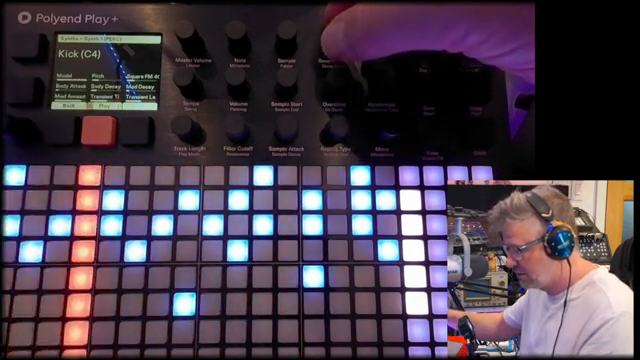
Forget everything you know about boring, sample-based drum boxes—the Polyend Play+ PERC engine is a different beast. Instead of just spitting out one tired sound, it’s a multi-headed monster, fusing classic drum kit hits with full-on freaky electronic timbres. This thing can swing from 808 kicks to alien clangs in a heartbeat, and it does it all inside a proper synth engine.
Nu-Trix The Synth Guy wastes no time flexing what makes PERC tick. Each drum element—from kick to cymbal—gets its own synth slot, meaning you’re not stuck with static samples. If you want hi-hats that sound like they were forged in a toaster-fight, or metallic percussion that would scare a TR-909, you’re in the right place. This is why PERC is Nu-Trix’s favourite engine on the Play+—it’s unruly, unpredictable, and utterly inspiring.
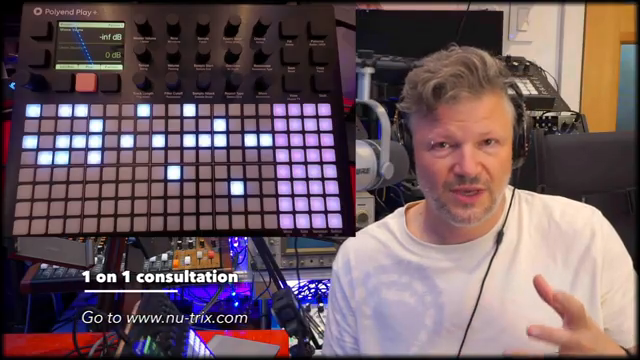
"It's probably why it's my favorite Poly Enplay Plus engine."
© Screenshot/Quote: Nu Trix (YouTube)
Groovebox Setup: Fast and Dirty
Setting up a project on the Play+ is refreshingly quick—Nu-Trix jumps straight into the action with no hand-holding. He navigates the MIDI and synth sections, lays out a new project, and cranks up the master volume (because of course it defaults to zero—cheers, Polyend). Pattern generation is a breeze: three tracks, a few fills, and you’re off. The Play+ encourages you to get weird fast, with randomisation and beat fills that practically dare you to break the rules.
Customising your kit is dead simple too. Drum sounds are mapped chromatically, so you can turn a bog-standard sequence into a mutant hybrid with just a few note tweaks. Want toms where your snares were? Easy. Fancy a snare turned into a metallic splash? One dial turn. The workflow is all about speed and happy accidents—the sort of stuff that keeps a jam session fresh.
Sonic Surgery: Kicks, Snares & Hats
"So there's different ways that this is basically being changed into something else with FM from a square wave."
© Screenshot/Quote: Nu Trix (YouTube)
Here’s where things get juicy. The PERC engine doesn’t just offer a basic set of controls—it’s a full synth per drum voice, giving you mad power over each hit. Kicks aren’t limited to classic models; you can twist them through FM, body wave morphing, and transient mangling until they sound like a rave bunker collapsing. The ability to stretch decay, shape the attack, and modulate waveforms means your kicks can go from tight and punchy to long and weird with a flick of the wrist.
Snares and hi-hats get the same surgical treatment. There are multiple snare models, each with their own body and snap controls—so you’re never stuck with ‘just another 808’. Hi-hats run the FM gauntlet, letting you blend open and closed sounds, tweak decays, and filter the noise for proper sizzle or sharpness. The combinations are endless, and frankly, you’ll need to watch the video to hear how wild it gets in real time.
Macros, Mayhem & a Few Gripes
For all its mutant strengths, the PERC engine isn’t perfect. Nu-Trix calls out the macro system—sure, you can assign macros to tweak timbres on the fly, but actually recording parameter changes per step is a faff. The extra macro layer slows down the inspiration flow, especially if you want spontaneous changes mid-sequence. Saving individual drum patches? Nope, you’re stuck saving the whole kit, which is a buzzkill if you just want to recall that perfect snare.
Still, the sonic mayhem you can create outweighs the annoyances. Toms, percussion, cymbals—they all get their own models and tweakable parameters, including some properly left-field FM and hybrid sounds. Nu-Trix’s honest take on the workflow is refreshing: he’s hyped on the engine’s power, but not afraid to point out where Polyend needs to step up. If you’re after a street weapon that rewards experimentation, this is it—just be ready for a few workflow quirks.
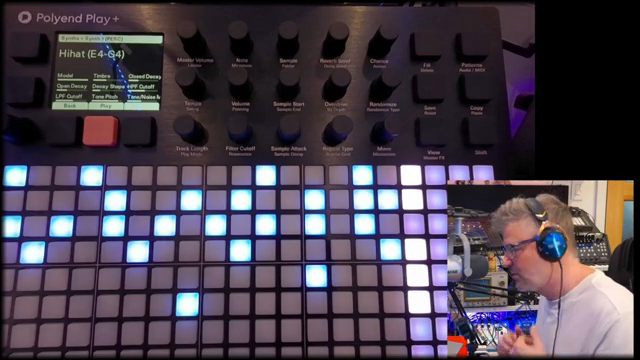
"You've got a layer of macro in between the step and the synthesis of the instrument, which is, for me, a point that I disagree with."
© Screenshot/Quote: Nu Trix (YouTube)
Watch the Mayhem Unfold
There’s only so much filthy drum sound you can describe in words. If you want to hear the Play+ PERC engine in full turbo mode—twisted kicks, FM snares, metallic chaos—you’ve got to check out the video itself. Nu-Trix’s real-time jamming and sound design are best experienced with your headphones on and the volume up. Trust me: reading about it is one thing, but feeling the bunker shake is another.
This article is also available in German. Read it here: https://synthmagazin.at/nu-trix-the-synth-guy-zerlegt-den-polyend-play-perc-engine-keine-drum-machine-ist-sicher/
More articles about these products:
 Polyend Play+ in the Hot Seat: Nu-Trix The Synth Guy Gets Real
 TAETRO’s Sidekick Obsession: Teenage Engineering Finds the Missing Link
 Nu-Trix The Synth Guy: Sculpting Sonic Mass with the Polyend FAT Engine
 Nu-Trix The Synth Guy Unleashes Acid Mayhem: Polyend Play+ ACD Engine Deep Dive
 TAETRO Drops the Beat: SONGBOY Turns Your PS5 Controller into a Studio
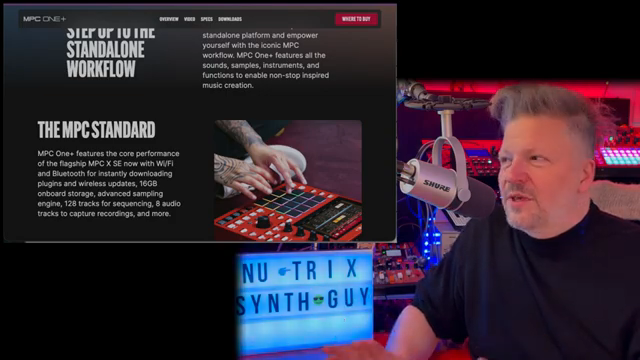 Sampler Showdown 2026: Nu-Trix The Synth Guy Keeps It Real
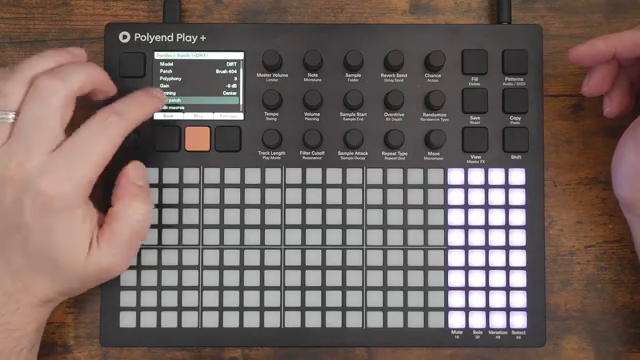 Polyend Play+ 1.3.0: Free Beat Unleashes the Drift Engine (Finally)
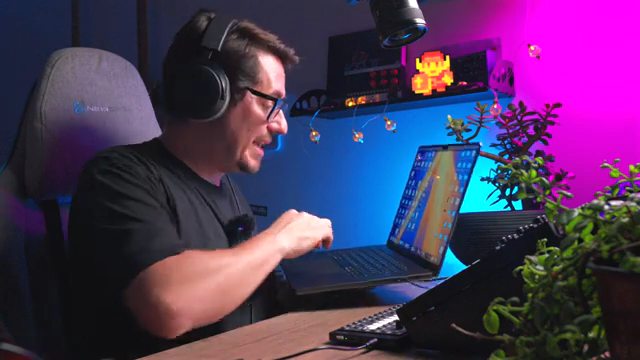 MidlifeSynthesist Unveils the Groove After Firmware 1.3
Watch on YouTube:
Latest articles
Watch on YouTube:
Visit the channel:
https://www.youtube.com/Nu-trix
https://www.youtube.com/Nu-trix
Links from Nu-trix:
website: https://www.nu-trix.com
facebook: https://www.facebook.com/nutrixmtl
instagram: https://www.instagram.com/nutrixsynthguy
twitter: https://twitter.com/nutrixmtl
patreon: https://www.patreon.com/nutrix
Sponsored links:
If you purchase via these links, we may earn a small commission – at no extra cost to you. The link opens an Amazon keyword search, and results may vary depending on availability.
Polyend Play+
🔗 Check price on Amazon
🔗 Check price on Amazon