Step into the resonant fog of the Polyend Play+ as Nu-Trix The Synth Guy guides us through the FAT engine—a synth voice that swells with magnetic overtones and tactile simplicity. In this immersive walkthrough, we drift through the core parameters that shape the FAT engine’s character, discovering how a handful of controls can conjure nebula basses, spectral leads, and pads that shimmer like morning dew. Nu-Trix’s approach is both methodical and exploratory, inviting us to feel the weight and warmth of each sound. For those who crave hands-on sonic storytelling, this video is a portal into the emotional architecture of synthesis, with patch sets waiting for those who wish to dive deeper.
1. May 2026
LUMINA
Nu-Trix The Synth Guy: Sculpting Sonic Mass with the Polyend FAT Engine
Sonic Mass, Simple Controls
The FAT engine on the Polyend Play+ is not just a tool—it’s a sculptor’s chisel, carving thick, resonant forms from the ether with a handful of intuitive controls. Nu-Trix The Synth Guy, ever the patient guide, introduces us to this engine’s philosophy: quick access to big, enveloping sounds without the labyrinth of endless menus. The interface is stripped to essentials, inviting us to focus on the emotional weight of each parameter rather than technical distraction.
This streamlined approach echoes across Polyend’s ecosystem, making the FAT engine a familiar spirit whether you’re on the Play+, Tracker+, or Mini+. With just a few dials, we’re able to conjure basses that throb like distant machinery, leads that slice through haze, and pads that drift in slow-motion. The simplicity is not a limitation, but a canvas—one where every gesture leaves a bold, sonic brushstroke.
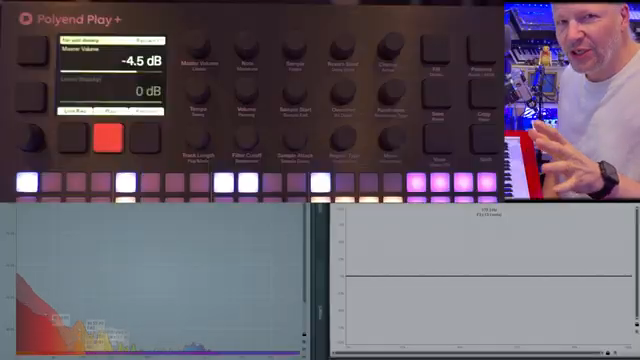
"The FAT engine from Polyen is a quick way to create bigger sounds with a short amount of controls."
© Screenshot/Quote: Nu Trix (YouTube)
FAT, Brightness, Timbre: The Heart of the Machine
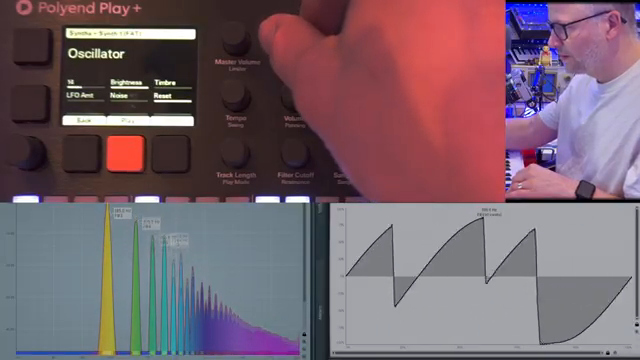
"You're basically bringing in a second oscillator slightly detuned and what you have is that movement of the detuning, that beating of the harmonics."
© Screenshot/Quote: Nu Trix (YouTube)
To understand the FAT engine is to enter a hall of mirrors, where each parameter refracts the sound into new shapes. Nu-Trix begins with a true init patch—neutral, raw, a blank page of sonic possibility. Here, the oscillator’s voice is exposed: a sawtooth, tinged with square, waiting for transformation.
The FAT control is the gravitational center, summoning a second, detuned oscillator that beats and shimmers against the first. As the dial turns, the sound blooms—detuning grows, harmonics pulse, and the air thickens with movement. Brightness, meanwhile, is a spectral painter, adding overtones and sub-octave ghosts that fill out the low end or sharpen the edge, depending on its position. The sound’s shape morphs before our eyes and ears—sometimes round, sometimes bristling with energy.
Timbre is the final axis, shifting the waveform toward square, then stretching pulse width to the edge of silence, or blending in noise like a veil of static. Each parameter is less a knob and more a portal, inviting us to sculpt textures that feel alive, mutable, and tactile. The interplay between these controls is where the FAT engine’s true character emerges—one of constant transformation and hidden depth.
From Bass to Pad: A Gallery of Sounds
Nu-Trix guides us through a sonic gallery—basses that rumble with subterranean energy, leads that flicker like neon, and pads that stretch into infinity. Each patch is a vignette, shaped by filter resonance, envelope movement, and the subtle dance of LFOs. The filter section, with its Moog-like resonance and overdrive, can turn a gentle swell into a screaming acid line or a velvet pad, depending on how it’s played.
What’s striking is the FAT engine’s range: from dirty, noise-laden kicks to crystalline keys, the palette is broad yet cohesive. The LFO, though not tempo-synced, adds a restless motion—like wind through tall grass—while envelope tweaks bring sounds to life. The video’s true magic lies in these evolving textures, which are best experienced firsthand; words can only hint at the richness Nu-Trix coaxes from this instrument.
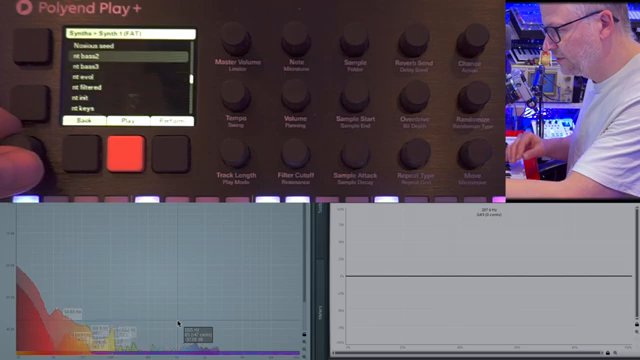
"I'm going to show you some of the stuff that I made for you guys so if we go back into this one here I've got that base."
© Screenshot/Quote: Nu Trix (YouTube)
Mono or Poly: Choosing Your Sonic Vessel
The FAT engine is a shapeshifter, equally at home as a monophonic beast or a polyphonic cloud. Nu-Trix demonstrates how switching between modes transforms the instrument’s role—mono for focused basses and leads, poly for lush, chordal pads. This flexibility is essential for storytelling: sometimes we need a single, unwavering voice; other times, a chorus of overlapping harmonics. The choice is as much about emotion as it is about function.
Patches as Portals: Extending the Journey
"The membership is free to have access to the patches."
© Screenshot/Quote: Nu Trix (YouTube)
For those who wish to wander deeper into the FAT engine’s dreamscape, Nu-Trix offers patch sets on Patreon—some free, some for members. These are not just presets, but invitations: blueprints for exploration, starting points for your own sonic stories. By sharing both the process and the results, Nu-Trix empowers us to move beyond imitation and into creation.
The video closes with an open hand—questions welcomed, curiosity encouraged. The real journey, as always, begins when we take these sounds into our own hands and let them bloom in our own spaces. The FAT engine is more than a synth voice; it’s a vessel for emotion, waiting for us to breathe life into its circuits.
This article is also available in German. Read it here: https://synthmagazin.at/nu-trix-the-synth-guy-klangmasse-formen-mit-dem-polyend-fat-engine/
More articles about these products:
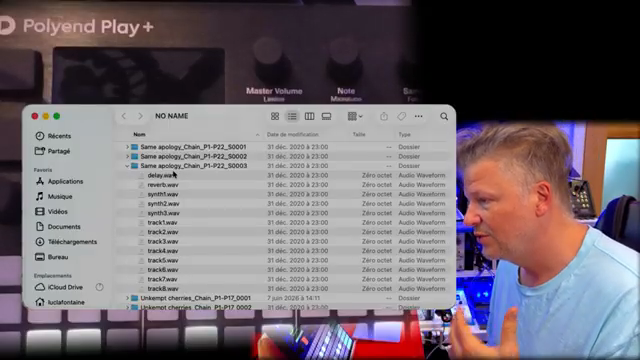 Polyend Play+ in the Hot Seat: Nu-Trix The Synth Guy Gets Real
 TAETRO’s Sidekick Obsession: Teenage Engineering Finds the Missing Link
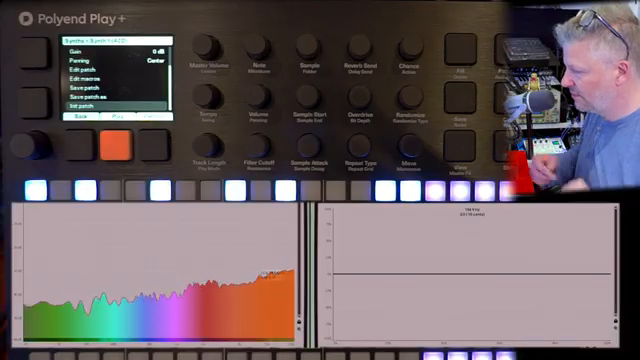 Nu-Trix The Synth Guy Unleashes Acid Mayhem: Polyend Play+ ACD Engine Deep Dive
 TAETRO Drops the Beat: SONGBOY Turns Your PS5 Controller into a Studio
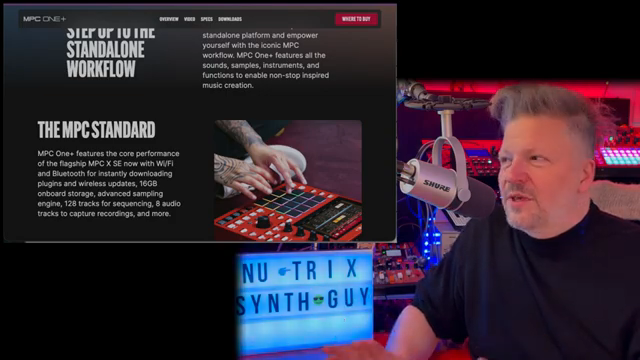 Sampler Showdown 2026: Nu-Trix The Synth Guy Keeps It Real
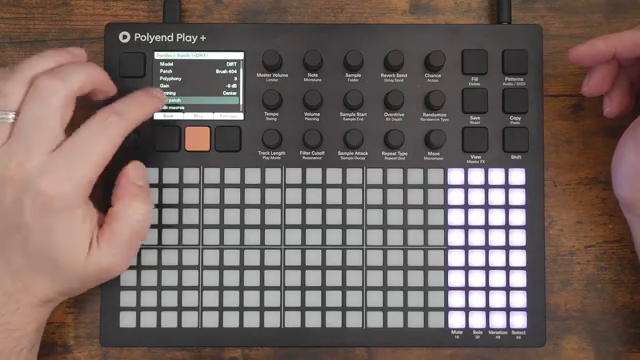 Polyend Play+ 1.3.0: Free Beat Unleashes the Drift Engine (Finally)
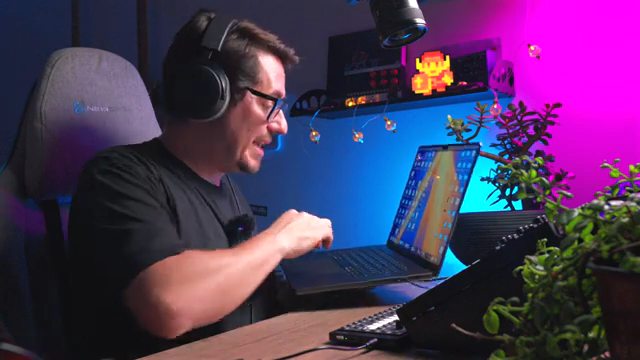 MidlifeSynthesist Unveils the Groove After Firmware 1.3
Watch on YouTube:
Latest articles
Watch on YouTube:
Visit the channel:
https://www.youtube.com/Nu-trix
https://www.youtube.com/Nu-trix
Links from Nu-trix:
website: https://www.nu-trix.com
facebook: https://www.facebook.com/nutrixmtl
instagram: https://www.instagram.com/nutrixsynthguy
twitter: https://twitter.com/nutrixmtl
patreon: https://www.patreon.com/nutrix
Sponsored links:
If you purchase via these links, we may earn a small commission – at no extra cost to you. The link opens an Amazon keyword search, and results may vary depending on availability.
Polyend Play+
🔗 Check price on Amazon
🔗 Check price on Amazon