Ever wondered what happens when you smash microtonal math rock riffs into a 90s techno blender? Bthelick, the chord-melody wizard of dance music, takes us on a wild ride through the outback of sound design, wrangling Angine de Poitrine’s microtonal madness into a Jeff Mills-inspired techno groove. This isn’t your average four-to-the-floor tutorial—think more kangaroo on a Red Bull bender than polite music theory lesson. If you’re keen on bending rules, breaking scales, and making your synths sing in ways they probably weren’t meant to, this one’s for you. Grab a cold one, mate, and let’s see how far down the microtonal rabbit hole we can tumble.
2. May 2026
TAS
Bthelick’s Microtonal Techno Mashup: Jeff Mills Meets Angine de Poitrine
Microtonal Mayhem Meets 90s Techno
Right from the jump, Bthelick throws us into the deep end with a question only a true sonic daredevil would ask: what if you mashed up microtonal math rock with the relentless pulse of 90s techno? It’s the kind of idea that sounds like a BBQ gone off the rails, but that’s exactly the sort of chaos we live for. Inspired by a cheeky comment from Rapid Hazard and the viral antics of Angine de Poitrine, Bthelick sets out to inject some serious Jeff Mills energy into the microtonal world.
This isn’t just a genre crossover—it’s a full-blown experiment in musical rule-breaking. While most of us are happy sticking to the usual dance music toolkit, Bthelick’s ready to chuck tradition in the bin and see what happens when you let microtonal riffs loose on a techno dancefloor. If you’re after safe, predictable grooves, look elsewhere. Here, it’s all about the wild ride.

"Could we put Angine de Poitrine riffs inside of a Jeff Mills techno plot? There's only one way to find out."
© Screenshot/Quote: Bthelick (YouTube)
Beyond the 12-Note Fence: Microtonal Explained
"There's no rules in microtonal music."
© Screenshot/Quote: Bthelick (YouTube)
Bthelick breaks down microtonal music like he’s explaining how to cook a snag on a campfire—simple, but with a twist. For centuries, we’ve all been playing with the same 12 notes, but there’s always a few larrikins who want more. Enter microtonality, where the rules are as loose as a festival wristband on day three.
Instead of sticking to the classic A to G and their in-between mates, microtonalists add extra notes wherever they fancy—14, 18, 24 per octave, you name it. In the world of synths and modular gear, this is as easy as tweaking a voltage, and techno’s always been happy to ignore the rulebook. If you thought scales were sacred, think again. Here, it’s open season on tradition.
Translating Angine de Poitrine: Riffs in a Techno Suit
With the microtonal groundwork laid, Bthelick gets stuck into the real challenge: how to wrangle Angine de Poitrine’s wild riffs into a techno context. He picks out three main riffs, each with its own flavour—some begging to be basslines, others itching to become arps or leads. It’s like trying to fit a square peg into a round hole, but with enough persistence (and a bit of Aussie stubbornness), anything’s possible.
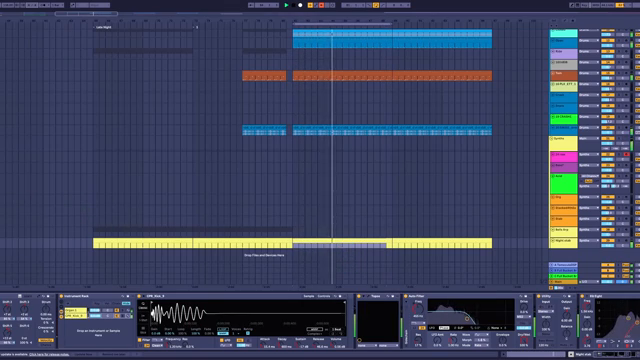
Armed with a saw wave and a trusty 909 drum beat, Bthelick experiments with triplet rhythms, metric modulations, and polymeters. Some bits fit the Jeff Mills vibe like a glove, others need a bit of trimming or tempo tweaking. The process is messy, creative, and full of happy accidents—just the way we like it.
Tuning Synths for Microtonal Madness
Getting your synth to play more than 12 notes per octave isn’t as easy as flipping a switch, but Bthelick’s not one to back down from a challenge. He first tries to find a ready-made 24-note tuning file, but when that turns out to be as rare as a sober punter at a bush doof, he hacks his way in with key tracking tricks. By reversing the synth’s key tracking and landing on the magic number of minus 63.5, he unlocks 24 notes per octave—enough to make any microtonal enthusiast’s heart race.
Of course, it’s not all smooth sailing. There’s a bit of trial and error, a few wrong turns, and plenty of experimentation. But that’s half the fun—sometimes the best sounds come from the wildest detours. If you want the full nitty-gritty of tuning hacks, you’ll need to watch the video, mate. Some things just can’t be bottled up in words.
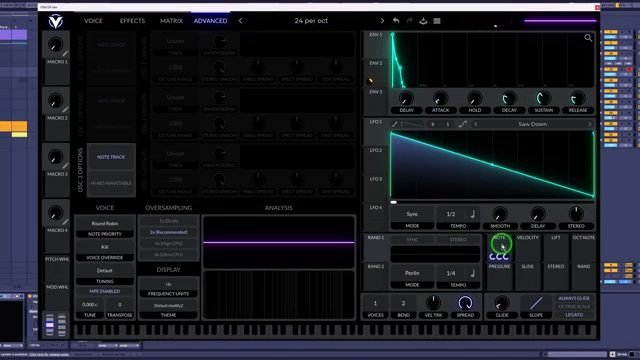
"Why not use the synth's key tracking parameter send it to pitch but in the opposite direction so every time it tries to climb a semitone it actually only climbs a quarter tone and vice versa."
© Screenshot/Quote: Bthelick (YouTube)
Riff Results: Techno Gets a Microtonal Makeover
Once the synths are tuned and the riffs are wrangled, it’s time for the main event: hearing these microtonal monsters in action. Bthelick cycles through his creations, testing riffs on FM basses, acid lines, and classic organ sounds. Some combos hit like a summer storm, others need a bit of wrangling, but when it works, it’s pure dancefloor filth.
From double-timed basslines to harmonised leads, the results are as unpredictable as a Melbourne weather forecast. There’s a vibe here that could shake up techno in all the right ways—if you’re game enough to try it. But trust me, the real magic’s in the sounds themselves, so do yourself a favour and check out the video for the full sonic smackdown.
This article is also available in German. Read it here: https://synthmagazin.at/bthelicks-mikrotonaler-techno-mashup-jeff-mills-trifft-angine-de-poitrine/
More articles about these products:
 Architecting Performances: Novation Launch Control and Ableton Live Macro Workflows
 Nebula Machines: Bahadırhan Koçer and the Sonic Physics of Dub Techno
 Pick Yourself’s Hypnotic Bass Hack: Rumble Kicks Are Out, Sliding Grooves Are In
 Mad Moments & Club Tactics: Tom VR Gets Real with MusicRadar Tech
 Bonedo Synthesizers: How to Make Any Synth Scream Acid Like a 303
 LNA Does Audio Stuff: Making Beats on the Cheap with Ableton Note—Beach Edition
 Andrew Huang’s Remix Rodeo: Four Producers, One Song, Total Mayhem
 MusicRadar Tech Unleash Ableton Beat Repeat: From Lazy Slicer to Glitch Mayhem
 Pick Yourself Makes Echo Bang: Delay as Synth Weapon
 Underdog Electronic Music School: Don’t Let Your Beats Collect Dust
 Polyend Play+ in the Hot Seat: Nu-Trix The Synth Guy Gets Real
 Reason Rack Unleashed: TAETRO Turns Software into a Sonic Street Weapon
Watch on YouTube:
Latest articles
Watch on YouTube:
Visit the channel:
https://www.youtube.com/Bthelick
https://www.youtube.com/Bthelick
Links from Bthelick:
Instagram: https://instagram.com/bthelickmusic
SoundCloud: https://soundcloud.com/bthelick
Ko-Fi: https://ko-fi.com/bthelick
facebook: https://facebook.com/bthelick
Twitter: https://twitter.com/BtheLick
Sponsored links:
If you purchase via these links, we may earn a small commission – at no extra cost to you. The link opens an Amazon keyword search, and results may vary depending on availability.
909 Drum Machine
🔗 Check price on Amazon
🔗 Check price on Amazon
Ableton Live
🔗 Check price on Amazon
🔗 Check price on Amazon