Ready to wrangle some wild acid basslines, mate? Nu-Trix The Synth Guy is back, and this time he’s diving headfirst into the Polyend Play+ ACD synth engine—a digital beast built for squelchy TB-style tones and modern twists. With his signature practical flair, Nu-Trix walks us through everything from a true-blue init patch to gnarly leads, punchy drums, and even a quick pattern jam. If you’re keen on classic acid, want to push the Play+ into new territory, or just love a synth that can take a beating and keep on squelching, this one’s for you. Crack a cold one, crank the resonance, and let’s see what this engine can really do!
24. April 2026
TAS
Nu-Trix The Synth Guy Unleashes Acid Mayhem: Polyend Play+ ACD Engine Deep Dive
ACD Engine: Acid in a Box
Nu-Trix The Synth Guy kicks things off by diving into the Polyend Play+ ACD engine, a digital homage to the classic acid machines of yesteryear. This isn’t just a polite nod to the TB-303—it’s a full-on, squelchy, monophonic beast that’s ready to melt faces and rattle windows. The ACD engine is all about those iconic Roland TB and SH vibes, but with a few modern tricks up its sleeve for anyone keen to go beyond retro.
What’s bonza about this engine is its flexibility. While it’s designed for classic acid lines, Nu-Trix makes it clear you can wrangle everything from dirty basses to leads and even some cheeky drum sounds. Whether you’re after that signature resonance or want to push things into new sonic territory, the ACD is your ticket to a proper rave in a lunchbox. Just don’t expect it to make you a cuppa—this thing’s here for acid and chaos, not tea and biscuits.
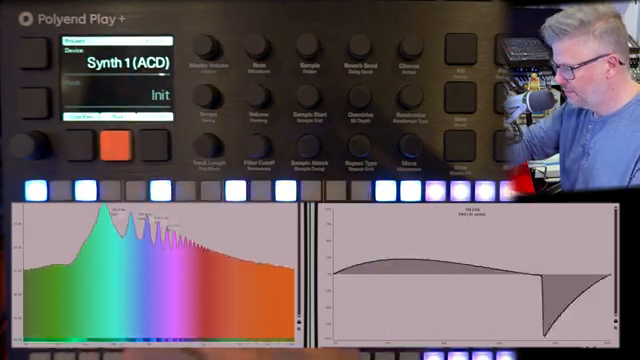
"So I'm in synth 1, which is ACD, there's kind of the acid sound, so the sound of the TB through 3, or even the SH, these type of monophonic early age Roland type of sounds."
© Screenshot/Quote: Nu Trix (YouTube)
From Zero to Squelch: The Practical Workflow
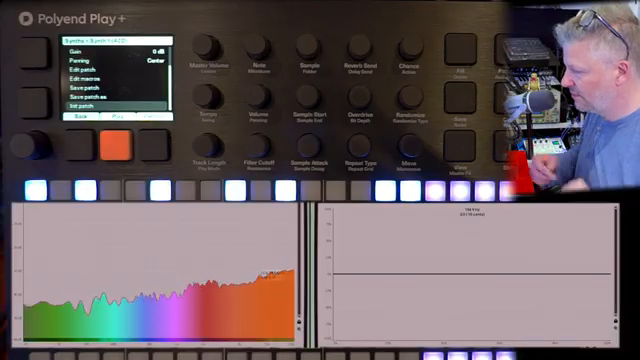
"So what I call an init patch, let's go back to edit patch here, edit patch, you see you have saw mix, which is a volume, I'm going to go right away into initializing this the way I think it should be, the cutoff point, put it to the maximum, you open up the filter, you get, I mean by doing that it's off, it's not working, so you don't have the filter, then you go attack decay should be zero, release should be zero, and sustain should be maximum. So that's what I call an init sound, okay."
© Screenshot/Quote: Nu Trix (YouTube)
Nu-Trix doesn’t muck about—he jumps straight into a hands-on workflow, showing how to get the ACD engine singing from the get-go. First up, he hooks up an Arturia KeyStep 37 via MIDI DIN, making sure the Play+ is in the right mode and ready to respond to external notes. It’s a setup that’s as straightforward as a sausage sizzle, but with enough flexibility for live tweaking or studio noodling.
He then walks us through selecting synth slots, managing polyphony, and getting a proper init patch going. For Nu-Trix, a true init patch means wide-open filters, maxed-out amp sustain, and nothing but the raw oscillator coming through—no filter faff, just pure, uncut sound. It’s the kind of starting point that lets you build anything from a gentle wobble to a full-on acid storm, and it’s all done with the sort of clarity that makes you want to jump in and have a crack yourself.
Oscillators, Filters, and Envelopes: The Heart of the Beast
Here’s where things get spicy. Nu-Trix dives deep into the ACD’s guts, exploring its two main oscillators—a fixed saw and a square with pulse width modulation—plus a sub oscillator that can go from one to two octaves down in various flavours. You can’t detune the oscillators separately (no wobbly unison here, mate), but what you get is a rock-solid, in-tune stack that’s perfect for acid and bass duties.
The filter section is where the ACD really bares its teeth. You get three types: a smooth 12 dB, a punchy 24 dB, and the RD3 diode mode for that classic saturated squelch. Add in amp and mod envelopes, LFOs for filter movement or fake arpeggios, and a glide section with multiple modes, and you’ve got a toolbox that’s as versatile as a Swiss Army knife at a bush doof. Nu-Trix’s explanations are clear as day, but the real magic is in the sounds—best experienced with your own ears, so don’t just take my word for it.
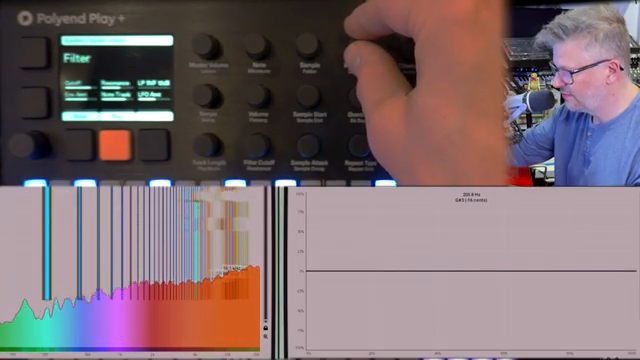
"You've got a low pass SVF 12 dB per octave, which is a softer shape, so it's dropping every octave going up on the frequencies, it's cutting 12 dBs of volume, so it's a softer filter."
© Screenshot/Quote: Nu Trix (YouTube)
Strengths and Quirks: Monophonic Mayhem
"That's part of the sound that you want to have for kind of acid sound, you usually play this monophonically, so keep to one polyphony of voice, the three oscillators cannot be detuned, so there's certain type of sound you want to do polyphonically or to have these paths are big, that cannot be played with this."
© Screenshot/Quote: Nu Trix (YouTube)
Nu-Trix lays it out straight: the ACD engine is a monophonic monster, built for acid, bass, and leads, but not your first pick for lush pads or wide stereo tricks. The oscillators are always locked in tune, so you won’t get that big, drifting polysynth sound—but what you do get is a razor-sharp, aggressive character that cuts through any mix like a hot knife through butter.
He points out the engine’s limitations—no detuning, no massive pads—but also its strengths: fast patch creation, instant acid gratification, and a filter resonance that’ll make your neighbours call the cops. If you want shimmering, evolving textures, you’ll need to look elsewhere, but for classic acid lines and punchy, in-your-face sounds, the ACD is as reliable as a ute in the outback. Nu-Trix’s approach is practical and no-nonsense, showing how to get the most out of what’s on offer.
Don’t Just Read—Watch and Listen!
Look, I can bang on about envelopes and oscillators all day, but the real juice is in the sounds Nu-Trix cooks up on camera. From acid basses to round subs, weird kicks, and even a quick pattern jam, the video is packed with sonic treats you won’t want to miss. Plus, there’s a cheeky macro section at the end showing how to stack parameters for live tweaking—something that’s way more fun to watch than to read about. So do yourself a favour: grab your headphones, hit play, and let Nu-Trix show you how the ACD engine can turn your next set into a proper bush bash.
This article is also available in German. Read it here: https://synthmagazin.at/nu-trix-the-synth-guy-entfesselt-acid-chaos-polyend-play-acd-engine-deep-dive/
More articles about these products:
 Nu-Trix The Synth Guy Smashes the Polyend Play+ PERC Engine: No Drum Machine Is Safe
 Polyend Play+ in the Hot Seat: Nu-Trix The Synth Guy Gets Real
 Starsky Carr Throws Down: Behringer JT-2 vs Jupiter-8 – Clone or Clown?
 The Unperson’s Eurorack Sequencer Showdown: Four Ways to Break Your Patterns
 TAETRO’s Sidekick Obsession: Teenage Engineering Finds the Missing Link
 Nu-Trix The Synth Guy: Sculpting Sonic Mass with the Polyend FAT Engine
 XNB’s Arturia KeyStep 37 Deep Dive: From MIDI Minion to Sequencing Street Weapon
 TAETRO Drops the Beat: SONGBOY Turns Your PS5 Controller into a Studio
 Sampler Showdown 2026: Nu-Trix The Synth Guy Keeps It Real
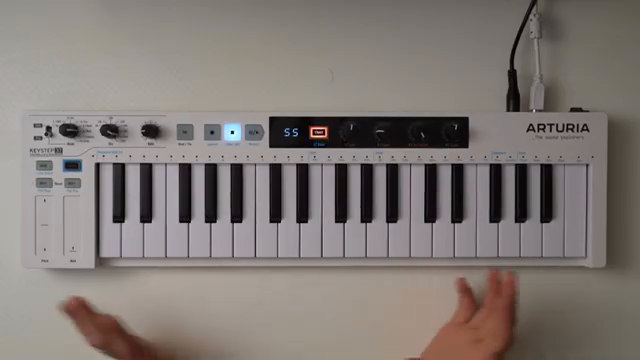 Chris Laps Dives into the Arturia Keystep 37 Magic
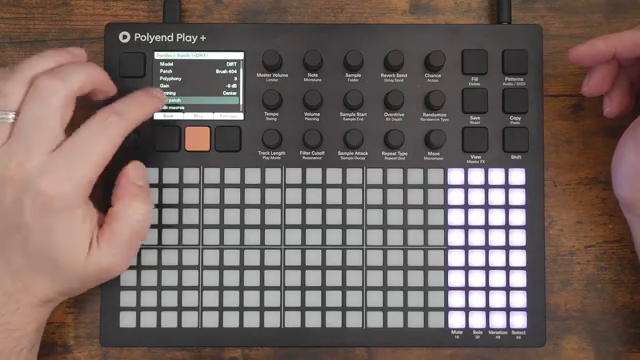 Polyend Play+ 1.3.0: Free Beat Unleashes the Drift Engine (Finally)
 MidlifeSynthesist Unveils the Groove After Firmware 1.3
Watch on YouTube:
Latest articles
Watch on YouTube:
Visit the channel:
https://www.youtube.com/Nu-trix
https://www.youtube.com/Nu-trix
Links from Nu-trix:
website: https://www.nu-trix.com
facebook: https://www.facebook.com/nutrixmtl
instagram: https://www.instagram.com/nutrixsynthguy
twitter: https://twitter.com/nutrixmtl
patreon: https://www.patreon.com/nutrix
Sponsored links:
If you purchase via these links, we may earn a small commission – at no extra cost to you. The link opens an Amazon keyword search, and results may vary depending on availability.
Arturia Keystep 37
🔗 Check price on Amazon
🔗 Check price on Amazon
Polyend Play+
🔗 Check price on Amazon
🔗 Check price on Amazon