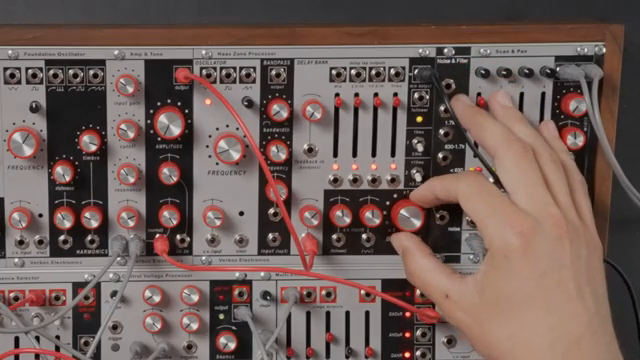
Verbos Electronics continues to push the envelope with the Haas Zone Processor, a module that promises more than just delays. In this demo, Mark Smith delves into the quirks of audio-rate modulation, bandpass-filtered feedback, and the surprising sonic territory unlocked when noise is the source. As with much of Verbos’ line-up, the emphasis is on hands-on experimentation and a certain West Coast unpredictability. This video is less about textbook delay and more about coaxing unexpected voices from your signal chain.
29. September 2026
MILES
Verbos Electronics Haas Zone Processor: Audio-Rate Mayhem and Bandpass Feedback
Haas Zone Processor: Not Your Average Delay
The Haas Zone Processor isn’t just a straightforward delay module; it’s presented here as a tool for more adventurous sonic sculpting. Verbos Electronics, true to its reputation for outside-in design, provides a platform in the Haas Zone Processor for signal experimentation beyond the norm. The video wastes no time diving into less conventional uses, sidestepping the basics in favour of deeper patching territory.
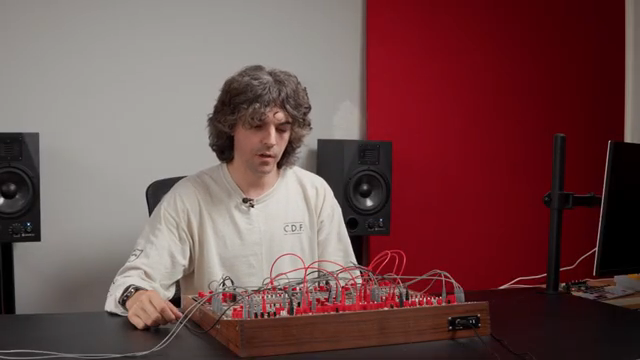
In this second instalment, the focus shifts away from simple echoes toward complex modulation techniques. By taking white noise as a source and stripping away previous modulation, Mark Smith establishes a clean slate—an ideal basis for exploring what happens when the module starts acting ‘like a voice of its own.’ The idea is clear: we’re not in classic delay land anymore.
"The Haas zone processor is going to start sort of acting like almost like a voice of its own or something."
© Screenshot/Quote: Verboselectronicsgmbh (YouTube)
Audio-Rate Modulation: Taking Delay Time to the Edge
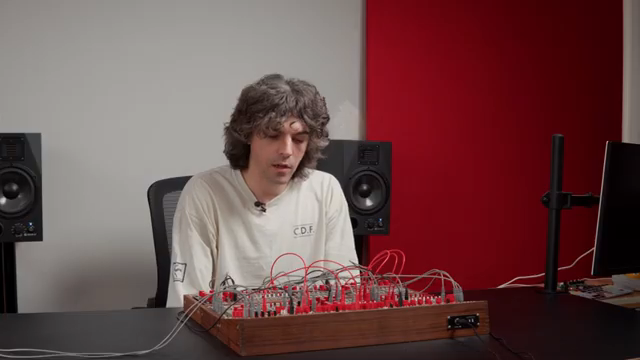
"That's using the inbuilt oscillator at audio rates to modulate the delay time of the taps."
© Screenshot/Quote: Verboselectronicsgmbh (YouTube)
One of the core tricks in this demo is running the inbuilt oscillator at audio rates to modulate the delay time of the Haas Zone Processor’s taps. This is not a subtle chorus or slow LFO warble—this is high-speed, high-frequency modulation that fundamentally alters the character of the processed sound. As the delay times shrink and the modulation rate increases, the resulting effect borders on comb-filtering, metallic resonances, and outright synthesis rather than simple delay.
There’s a moment of uncertainty as the patch takes on a life of its own, with the decay time itself seemingly modulated. Smith admits to double-checking his routing, but the unpredictable results are a hallmark of the module’s creative potential. It’s precisely this sort of emergent behaviour that will appeal to patchers looking for inspiration from their hardware, not just precise control.
Exploring Oscillator Waveforms: Triangle, Square, and Saw
The Haas Zone Processor’s built-in oscillator provides more than just a triangle wave for modulation duties. The video demonstrates the effect of switching to square and saw waveforms, each imparting distinct rhythmic and timbral qualities to the modulated signal. With square wave audio-rate modulation, the outcome is described as more hectic—introducing abrupt, glitchy textures. The saw wave sits somewhere in the middle, offering yet another flavour for adventurous patchers.
What’s notable here is the module’s openness: any waveform can be pressed into service, and the results will differ depending on the combination of delay time, modulation depth, and feedback settings. The exploration doesn’t stop at just trying different waves; Smith also toys with delay time ranges and envelope inversion, further extending the sonic palette. This section is a clear invitation for users to experiment and discover their own sweet spots.
Bandpass Filtering: Sculpting the Feedback Loop
A defining feature in this demo is the use of the Haas Zone Processor’s bandpass filter, especially as it’s placed in the feedback loop of the third tap. By narrowing the bandwidth and sweeping the filter frequency, the feedback morphs from percussive, almost plectrum-like tones to wilder, more unruly resonances. The filter isn’t just a tone-shaper; it becomes an integral part of the dynamic behaviour of the patch.
Modulation sources are brought in to animate the filter’s parameters—quantized random voltages for frequency and additional random signals for the attack time of the slew. The interplay between the frequency of the oscillator and the filter frequency creates overlapping behaviours, leading to results that are both complex and musically intriguing. As the video demonstrates, subtle shifts in filter settings can radically reshape the entire patch.
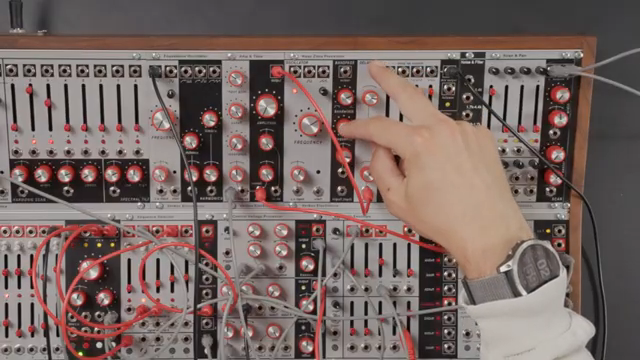
"This is where the filter becomes really important, we can hear how we're getting these almost like a plectrum on bass guitar string type sound."
© Screenshot/Quote: Verboselectronicsgmbh (YouTube)
Creative Potential: For the Adventurous Patchmaker
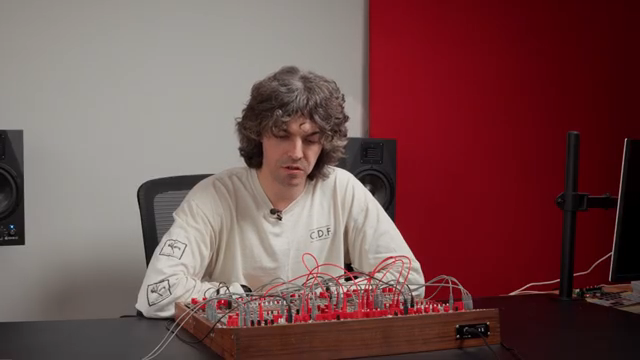
"I was very happy to hear it here in this module, and maybe some of you will like it too."
© Screenshot/Quote: Verboselectronicsgmbh (YouTube)
The video concludes with a candid reflection: this sort of effect might not be for everyone, but for those interested in pushing their modular beyond the expected, the Haas Zone Processor offers unique possibilities. The sounds coaxed out of its short delays and aggressive modulation are not your standard fare, but that’s precisely the appeal for certain genres and experimental approaches. It’s a module that rewards curiosity and a willingness to explore uncharted sonic territory.
This article is also available in German. Read it here: https://synthmagazin.at/verbos-electronics-haas-zone-processor-audio-rate-chaos-und-bandpass-feedback/
More articles about these products:
Watch on YouTube:
Latest articles
Watch on YouTube:
Visit the channel:
https://www.youtube.com/VerbosElectronicsGmbH
https://www.youtube.com/VerbosElectronicsGmbH
Links from VerbosElectronicsGmbH:
website: https://www.verboselectronics.com
tech_cards: https://www.verboselectronics.com/tech-cards
instagram: https://www.instagram.com/verboselectronics
Sponsored links:
If you purchase via these links, we may earn a small commission – at no extra cost to you. The link opens an Amazon keyword search, and results may vary depending on availability.
Verbos Electronics Haas Zone Processor
🔗 Check price on Amazon
🔗 Check price on Amazon