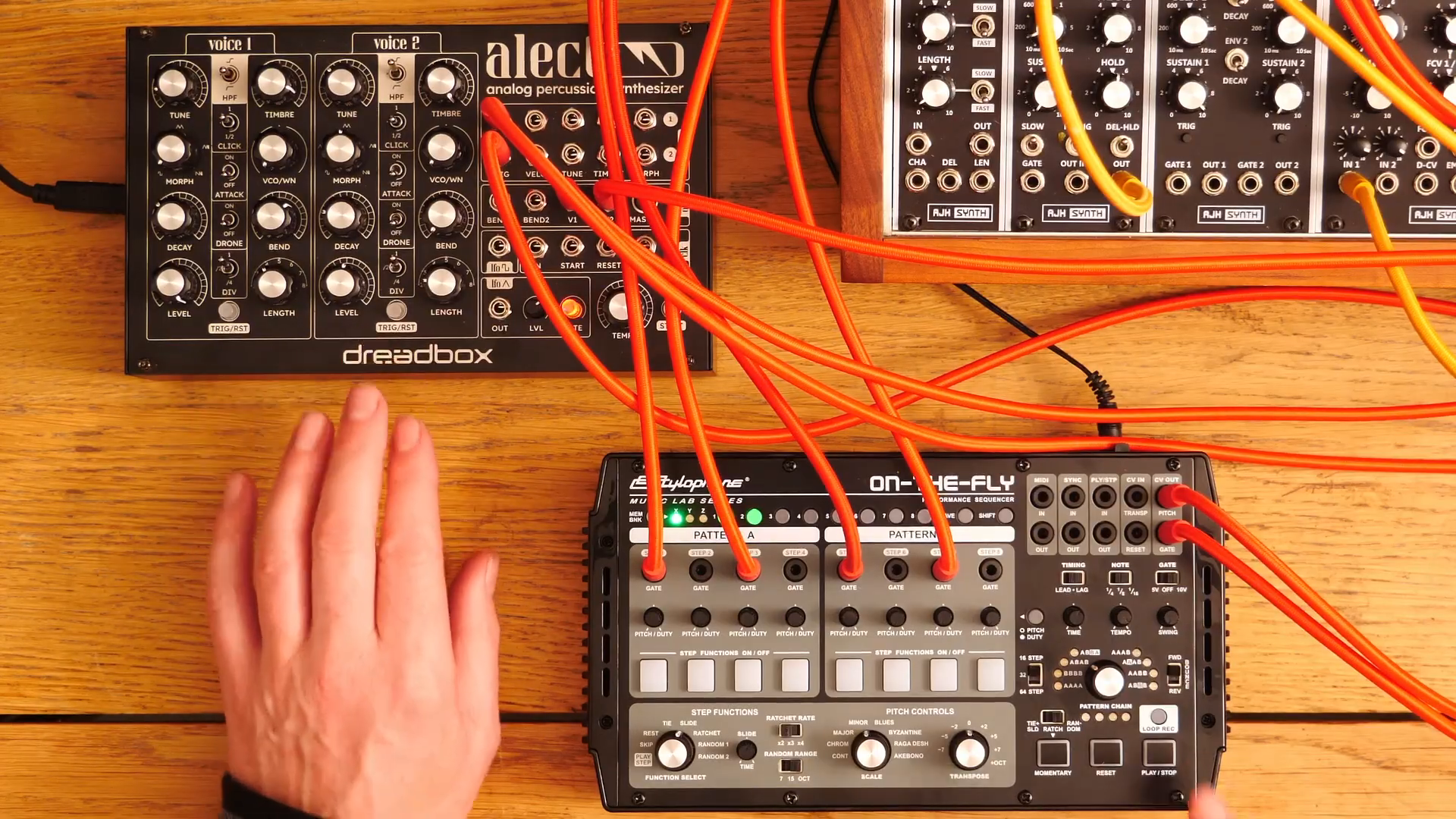
First, scale-bound random notes through the Zen Delay, then a techno setup with Dreadbox percussion: In his video published on November 11, 2026, Starsky Carr puts the Stylophone On-The-Fly through its paces. Ratchets and slides are added, several oscillators play the same sequence. This is no dry connectivity tour. But of all things, Carr can't get the planned sixteenth-note hi-hats to work as intended via the sync connection.
Too Slow—but Why?
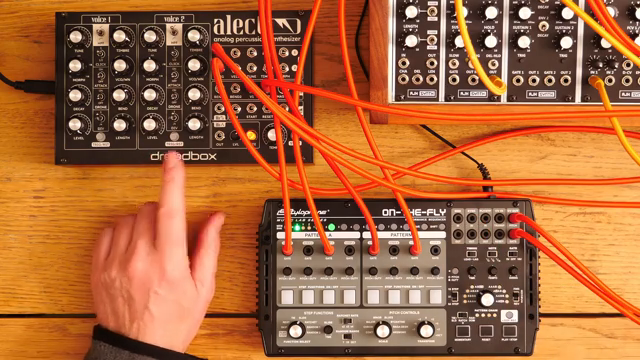
“We're trying to use the sync out with the Dreadbox, but I couldn't get it to play fast enough, so I'm not sure what the sync's actually sending. So on this I wanted to get sixteenths and I couldn't get sixteenths out of it.”
© Screenshot/Quote: Starsky Carr (YouTube)
Carr wants to use the On-The-Fly's sync output with the Dreadbox. His specific problem: for the intended hi-hat part, it doesn't play fast enough. He explicitly states he doesn't know what the output is actually sending.
As a possible explanation, he mentions different pulse rates: if one device sends two pulses while the other expects four for the same musical time span, the result is half speed. Carr notes that this could be due to this specific device combination and wishes for an adjustable output rate. He does not specify a measured rate. Thus, neither a general tempo limit of the On-The-Fly nor a defect is substantiated.
Who's Setting the Tempo Here?
In the Sonicstate SonicLab demo from November 5, Matt uses the sync output for a small gate sequencer for his kick drum. He also uses the play/stop output as a reset for this sequencer. This is a concrete application of the output—but with a different receiver and a different rhythmic task than Carr's hi-hats. The appropriate pulse rate for Carr's Dreadbox cannot be inferred from this.
Molten Music Technology, in his patch breakdown published November 5 after a gig at Dublin Castle, shows a different setup: his On-The-Fly is synced to Pamela’s and controls a Pony VCO/VCA via CV and gate. He highlights a separation useful for live tweaks: the sequencer can be started and stopped independently of the clock.
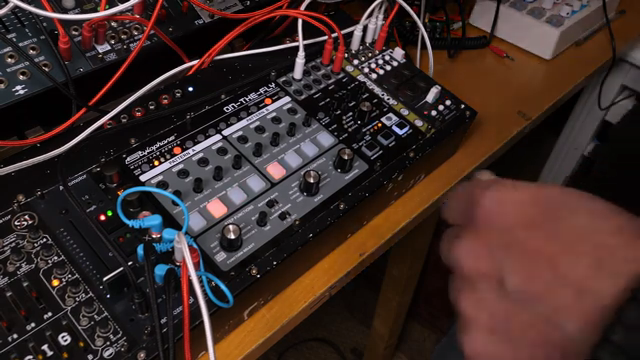
“It will also start and stop independently of the clock, which is pretty cool”
© Screenshot/Quote: Molten Music Technology (YouTube)
Same Speed Isn't the Same as Starting Together
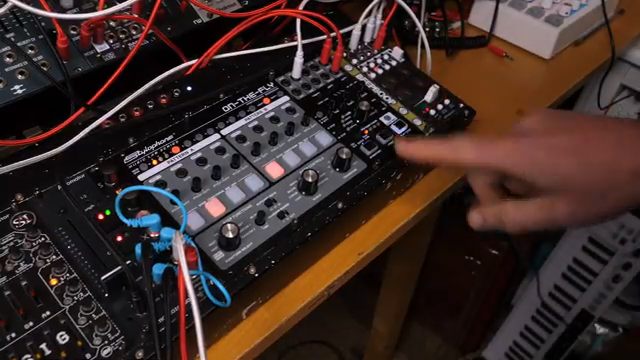
“Now one thing I found is that reset doesn't seem to work very well”
© Screenshot/Quote: Molten Music Technology (YouTube)
Molten's setup isn't entirely worry-free either. During the demonstration, he finds the timing a bit off and reports that reset doesn't work very well. Importantly, he clarifies: this isn't a full review; he suspects an early firmware version and wants more time before a proper review. He does not provide evidence of a firmware bug.
Carr, in turn, praises lead/lag as a way to adjust timing to match other equipment. This should not be confused with adjusting the pulse rate: correcting a timing offset is a different task than fixing a suspected half-speed relationship. Before a performance, it's worth checking separately: is the speed right, are the events in time, does the pattern start at the desired point?
Randomness Belongs in Music
Carr's playing shows why you might want to deal with this coordination at all. He combines the two four-step patterns, adds ratchets, and records pitch changes as a loop, which he then brings back in. It's this ongoing intervention that makes his contribution interesting: not every variation is pre-programmed. Carr emphasizes that you decide yourself which steps play and where ratchets appear.
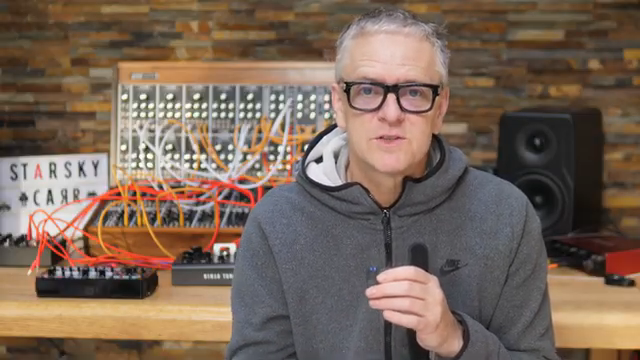
“You're not programming it in to be self-generative, you're doing those bits yourself, but the end result is the same.”
© Screenshot/Quote: Starsky Carr (YouTube)
Carr's enthusiasm remains clear despite the unresolved sync question. That's exactly the appeal of this little sequencer: lots of room for hands-on play. Just make sure the shared tempo is sorted out beforehand. Surprising notes are welcome in a jam; unexpected half-speed probably isn't.


