Ever wondered why your tracks sound like a flat beer at a bush doof while the pros are serving hypnotic bangers that breathe and morph like a didgeridoo in a sandstorm? Pick Yourself’s latest video is a proper masterclass in wrangling weirdness, laying out a wild workflow that’ll have your tunes pulsing and evolving like a kangaroo on a caffeine trip. From modular-inspired concepts to feedback loops threatening to fry your speakers, this is a ride through techno’s untamed outback. If you’re keen to push your Ableton game beyond the backyard BBQ, pull up a chair and get ready for some serious sonic mischief.
23. May 2026
TAS
Pick Yourself’s Hypnotic Secret Sauce: A Sound Designer’s Outback Adventure
The Secret Workflow: From Flat to Hypnotic
Let’s be honest, mate—most beginner tracks sound about as lively as a sausage left out at the family BBQ. Pick Yourself cracks open the age-old mystery: why do pro tracks sound like they’re breathing, alive and ready to hypnotise a dancefloor, while yours might be snoozing in the corner? Turns out, it’s all about a specific workflow, one that’s less about expensive gear and more about how you approach sound design from the start.
This isn’t your cookie-cutter plug-and-play routine—it’s a mindset shift. By focusing on an organic, evolving process, you can take your tracks from lifeless to pumping with energy. The promise here is simple but crucial: follow this workflow, and your tunes will stand tall alongside the heavyweights, ready to hypnotise any crowd, even if it’s just your mates stoking the fire at the next bush bash.

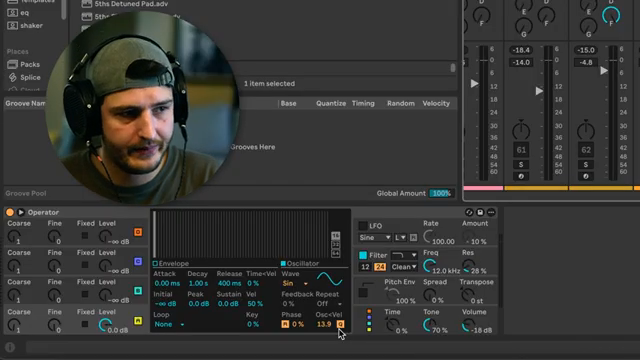
"I know it comes down to a specific sound design workflow that makes all the difference."
© Screenshot/Quote: Pickyourselfofficial (YouTube)
Modular Madness & Polymeter Pranks
"If it's quantized, we have the harmonic relationships intact."
© Screenshot/Quote: Pickyourselfofficial (YouTube)
Pick Yourself drags us into the modular mud pit, borrowing ideas from the likes of Don Buchla and tossing them into Ableton like a chef tossing prawns on the barbie. The trick? Using polymeter sequences and modular concepts to inject a bit of chaos and unpredictability into your sound. It’s not about neat, four-to-the-floor predictability—think more like a surf wave that never breaks the same way twice.
By stacking sequences of different lengths (five, three, even the odd four-stepper), and mapping these to oscillators, you create patterns that never quite repeat. The result is a soundscape that feels alive, breathing and shifting under its own steam. It’s these organic touches that make a track stand out—no two bars are ever quite the same, much like a Melbourne weather forecast.
Feedback Loops & Re-Sampling: Sound Design’s Wild Side
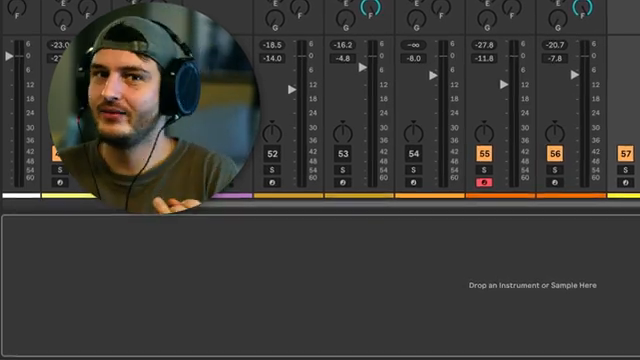
Now we’re heading deep into the wild—feedback loops and re-sampling, the outback of sound design where things get unpredictable and, frankly, a bit dangerous if you’re not careful. Pick Yourself shows how setting up a feedback loop in Ableton can bring out gnarly, avant-garde textures that’ll have your speakers sweating. Push it too far and you’ll trigger a positive feedback loop—think of it as letting a dingo loose at a picnic, chaos ensues!
But here’s the gold: these moments of wildness can’t be repeated, so you better hit that re-sample button before the magic vanishes. The technique is all about capturing those once-in-a-lifetime sounds—elements that morph, distort, and then disappear faster than a schooner at happy hour. It’s a workflow that rewards risk-takers and sonic explorers.
"You can create these really avant-garde sounds."
© Screenshot/Quote: Pickyourselfofficial (YouTube)
Ableton Trickery: Oscillators, FX, and the Art of the Unexpected
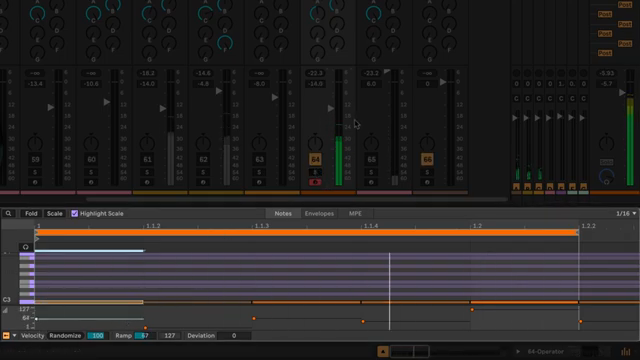
"I'm focusing to create a story that I like."
© Screenshot/Quote: Pickyourselfofficial (YouTube)
This section is where Pick Yourself flexes some serious Ableton muscle. By manipulating oscillators and stacking effects like a champion at a sausage sizzle, you get sounds that are rich, dynamic and full of surprises. Think detuned operators for inharmonic grit, envelopes for punch, and LFOs mapped to everything but the kitchen sink.
The point is to never settle for the first idea—keep modulating, tweaking, and pushing parameters. Try making each sound tell a story, shifting from A to B to C states, so your synth lines aren’t just static roadkill. And if you get lost in the sauce, don’t sweat it—sometimes the best results come from happy accidents and a bit of cheeky knob-twiddling. The video is jam-packed with these hands-on tricks, so you’ll want to see the real-time action for the full flavour.
Dive Deeper: The Real Action’s on Screen
Look, I could write a novel about every tweak and twist, but the devil’s in the details—and those details are best copped with your own eyes and ears. Pick Yourself dishes up loads of on-screen wizardry that’s impossible to capture in plain text. If you’re keen to see how these workflows play out in the wild, hit play and get amongst it. Who knows, you might just find the missing ingredient for your next hypnotic banger.
This article is also available in German. Read it here: https://synthmagazin.at/pick-yourselfs-hypnotische-geheimzutat-ein-sounddesigner-abenteuer-im-outback/
More articles about these products:
 Markers That Splash: Underdog Electronic Music School’s Guide to Kickstarting Your Phrases
 Kairos as Living Sculpture: MusicRadar Tech Enters Laura Misch’s Sonic Sanctuary
 Voltage Labs: Berlin’s Sonic Mosaic – Studios, Shadows and the Pulse of Creation
 Architecting Performances: Novation Launch Control and Ableton Live Macro Workflows
 Nebula Machines: Bahadırhan Koçer and the Sonic Physics of Dub Techno
 Pick Yourself’s Hypnotic Bass Hack: Rumble Kicks Are Out, Sliding Grooves Are In
 Mad Moments & Club Tactics: Tom VR Gets Real with MusicRadar Tech
 Bonedo Synthesizers: How to Make Any Synth Scream Acid Like a 303
 LNA Does Audio Stuff: Making Beats on the Cheap with Ableton Note—Beach Edition
 Andrew Huang’s Remix Rodeo: Four Producers, One Song, Total Mayhem
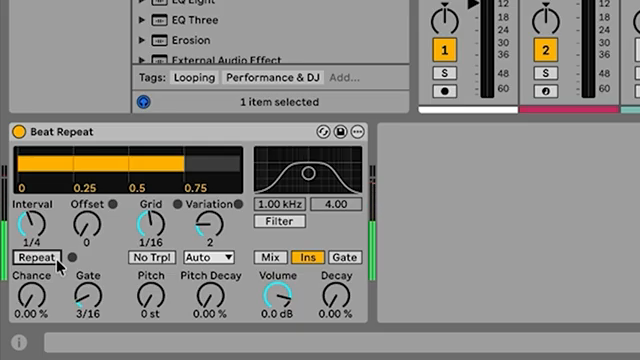 MusicRadar Tech Unleash Ableton Beat Repeat: From Lazy Slicer to Glitch Mayhem
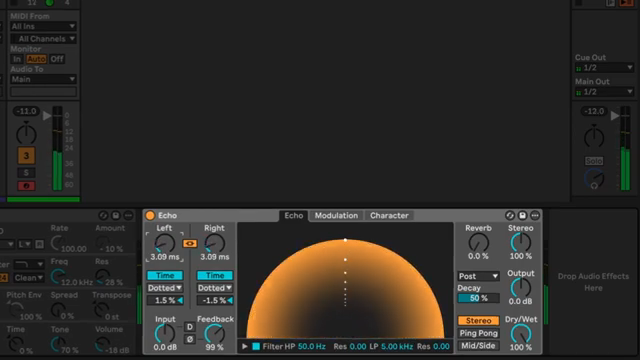 Pick Yourself Makes Echo Bang: Delay as Synth Weapon
Watch on YouTube:
Latest articles
Watch on YouTube:
Visit the channel:
https://www.youtube.com/pickyourselfofficial
https://www.youtube.com/pickyourselfofficial
Links from pickyourselfofficial:
Work with me: https://pickyourself.com/coaching/
FREE Guide: https://pickyourself.com/framework/
Sponsored links:
If you purchase via these links, we may earn a small commission – at no extra cost to you. The link opens an Amazon keyword search, and results may vary depending on availability.
Ableton Live
🔗 Check price on Amazon
🔗 Check price on Amazon
Buchla Music Easel
🔗 Check price on Amazon
🔗 Check price on Amazon