Ever spent hours cycling through kick drum samples only to end up with a track that hits like a wet napkin? Same. In this slick tutorial, Pick Yourself takes us deep into the art of crafting mighty kick drums from scratch—no overpriced packs, just raw synthesis and some streetwise tricks. With a decade of club experience and a knack for making Ableton sweat, the creator lays out every step—from envelope shaping to phase-taming—without drowning you in theory. If you want your beats to slap in the club and on earbuds, strap in: this is the crash course your low end’s been begging for.
30. May 2026
RILEY
Pick Yourself’s Guide to Kick Drums: From Sine Waves to Club-Ready Punch
Why Your Kicks Sound Like Cardboard
Let’s be real: most of us have cycled through enough kick samples to fill a hard drive, but our tracks still can’t hang with those reference bangers. Pick Yourself opens up with a little tough love—if your low end isn’t punching, it’s not always the sample’s fault. There’s a science, but also a street hustle to nailing that thump.
The creator points out that the secret sauce isn’t about stacking plugins or praying for the perfect preset. Instead, it’s about understanding the physics of drums and how their shape gives them that signature punch in the chest. You want your kicks to work on club subs and crummy earbuds? Time to dig into the roots, not just the wrappers.

"Ever wondered why your tracks never have the same punch on the low end like your reference tracks even after going through 50 kick drum samples and throwing tons of mixing effects on them?"
© Screenshot/Quote: Pickyourselfofficial (YouTube)
Serum, Vital, and the Kick Drum Recipe
Pick Yourself doesn’t mess around with expensive or obscure synths—if you’ve got Serum or Vital, you’re set. The video dives into building a kick from the ground up, starting with that trusty analog BD sine wave. Why? Because it’s already got a little dirt, a little warmth. Just like street food, imperfections make it tasty.
Envelope shaping is the main event here. By tweaking the amplitude and pitch envelopes, you sculpt the kick’s body and attitude. It’s not about perfect curves—it’s about the right flavor. Little changes in decay and release make the difference between a limp thud and a kick that actually moves air. And trust me, you’ll want to see the hands-on knob twisting in the video—words alone can’t do justice to those subtle changes.
Decay, Transients, and the Secret Knock
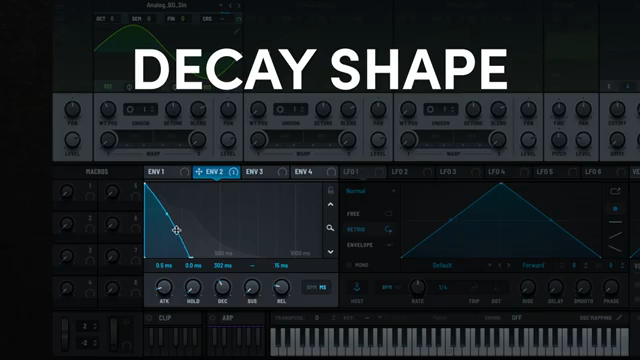
"The decay shape of our pitch envelope, which is envelope two, and our envelope one, which has the decay shape and the release shape, is really important to create your kick drum."
© Screenshot/Quote: Pickyourselfofficial (YouTube)
This is where the groove gets spicy. The creator shows how adjusting decay shapes and dialing in envelopes for both amplitude and pitch transforms a vanilla tone into a real, punchy kick. Want it tighter? Shorten that release. Want it to ring out? Drag the tail. It’s as hands-on as flipping burgers on a grill—no two are gonna be quite the same.
But the real flex? Crafting the transient. By layering in a saw, square, or even triangle wave as a quick, snappy burst, you get that snap that cuts through any mix. And if you’re feeling fancy, toss in some noise or mess with oscillator phase for a clicky, robotic feel. It’s like adding hot sauce—a little goes a long way, but it makes the whole beat pop.
Saturate, Compress, Don’t Overcook
Now we’re in post-processing territory—the part where good kicks become great. Pick Yourself breaks down why saturation and compression aren’t just about slamming everything to the max. It’s about intention. Want a gritty, distorted thump? Push the drive. Prefer something subtle? Ease off and let the kick breathe.
The real trick is knowing when to stop. Overdo it, and you lose all the punch you just built. The creator even shows tricks like pulling low end out of the saturation circuit to keep things clean, or tweaking the dynamics knob for that perfect transient retention. If you want to hear what a difference a few dB makes, the video’s audio demos hit harder than my grandma’s old flip-flops.
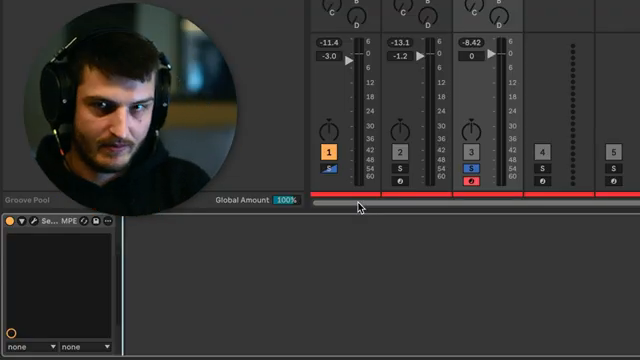
"I'm going to drive this kick drum into the saturation until the bass frequencies really start distorting."
© Screenshot/Quote: Pickyourselfofficial (YouTube)
Don’t Solo Your Kick: Mix It Like You Mean It
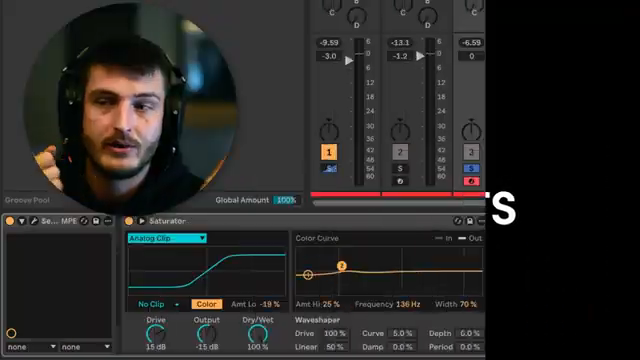
"Because now comes the last trick and that is really important to not design the kick drum in isolation."
© Screenshot/Quote: Pickyourselfofficial (YouTube)
Here’s where a lot of bedroom producers fumble: making the kick sound epic by itself, but forgetting the rest of the crew. Pick Yourself’s golden rule? Don’t design your kick in a vacuum. Bring in the hats, the bass, the lead—even just a hint—so you know how your kick actually sits in the mix.
The magic happens when you start layering, tweaking, and listening in context. Sometimes you gotta pull back and let the track breathe, or add a splash of high-frequency distortion for extra texture. And if you’re sweating the details, relax—half the fun is in hearing how your kick evolves alongside the rest of your beat. Save the endless tweaking for the final mix; the real vibe comes from letting the track unfold.
This article is also available in German. Read it here: https://synthmagazin.at/pick-yourselfs-guide-zu-kick-drums-von-sinuswellen-zum-club-tauglichen-punch/
More articles about these products:
 Markers That Splash: Underdog Electronic Music School’s Guide to Kickstarting Your Phrases
 Kairos as Living Sculpture: MusicRadar Tech Enters Laura Misch’s Sonic Sanctuary
 Voltage Labs: Berlin’s Sonic Mosaic – Studios, Shadows and the Pulse of Creation
 Architecting Performances: Novation Launch Control and Ableton Live Macro Workflows
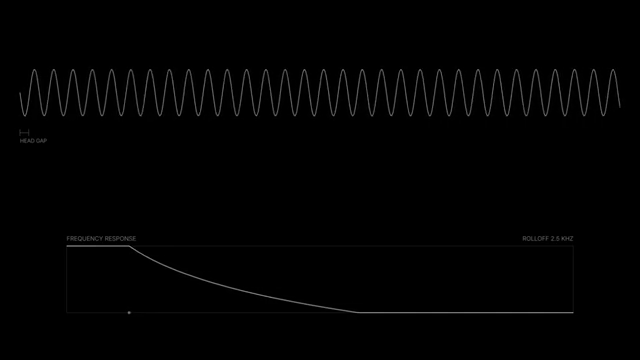 Nebula Machines: Bahadırhan Koçer and the Sonic Physics of Dub Techno
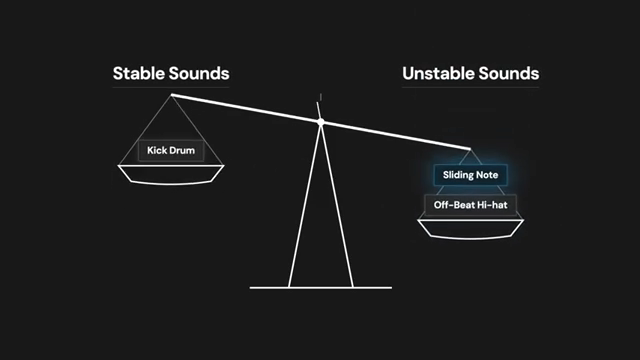 Pick Yourself’s Hypnotic Bass Hack: Rumble Kicks Are Out, Sliding Grooves Are In
 Mad Moments & Club Tactics: Tom VR Gets Real with MusicRadar Tech
 Bonedo Synthesizers: How to Make Any Synth Scream Acid Like a 303
 LNA Does Audio Stuff: Making Beats on the Cheap with Ableton Note—Beach Edition
 Andrew Huang’s Remix Rodeo: Four Producers, One Song, Total Mayhem
 MusicRadar Tech Unleash Ableton Beat Repeat: From Lazy Slicer to Glitch Mayhem
 Pick Yourself Makes Echo Bang: Delay as Synth Weapon
Watch on YouTube:
Latest articles
Watch on YouTube:
Visit the channel:
https://www.youtube.com/pickyourselfofficial
https://www.youtube.com/pickyourselfofficial
Links from pickyourselfofficial:
Work with me: https://pickyourself.com/coaching/
FREE Guide: https://pickyourself.com/framework/
Sponsored links:
If you purchase via these links, we may earn a small commission – at no extra cost to you. The link opens an Amazon keyword search, and results may vary depending on availability.
Ableton Live
🔗 Check price on Amazon
🔗 Check price on Amazon
Serum
🔗 Check price on Amazon
🔗 Check price on Amazon
Vital
🔗 Check price on Amazon
🔗 Check price on Amazon