Rolling bass lines got you sounding like a foghorn in a rave bunker? Bthelick, the master of practical dance music breakdowns, slices through the murk to explain why your low end might be tanking your groove. In this sharp, no-fluff tutorial, he exposes the fatal flaws of copy-paste bass tricks, offers blunt fixes, and shows ways to keep your subs moving crowds instead of just making the floor shake. If you think more sub always equals more power, think again. Expect envelope hacks, machine gun metaphors, and enough rhythmic dodgeball to keep your next track from flopping. Essential viewing for anyone whose bass lines need to slap, not slump.
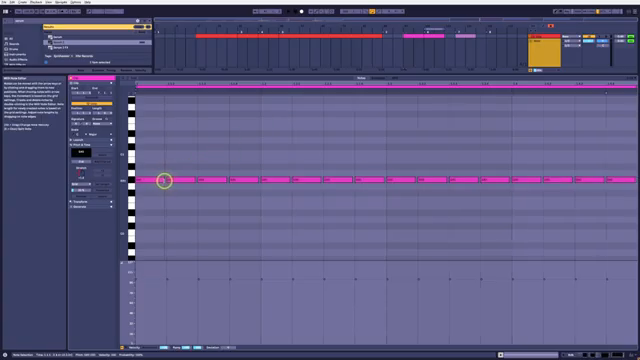
Sub vs. Upper Bass: The Dirty Split
Bthelick kicks things off by dragging the classic rolling bass line into the daylight, showing how its relentless sixteenth-note drive dominates genres like techno and trance. He points out that simply copying your upper bass line into the sub range isn’t the golden ticket – in fact, it’s a shortcut to a whole lot of mix problems and a groove that won’t move anyone. You get a sine wave sitting under your punchy upper bass, but the result is often less than the sum of its parts.
He’s razor-sharp on why this copy-paste habit is so common, but also so dangerous. While it’s tempting to have the sub mirror the upper bass for maximum beef, this usually just lands you with a low-frequency drone that sounds impressive on paper but falls flat in the club. The point? Control the low end, don’t just duplicate it – because in dance music, the subs aren’t just background noise, they’re the pulse that makes people move (or not).
The Groove Killer: Why Long Subs Fail
It doesn’t take long for the cracks to show. Bthelick demonstrates how dragging out a sub note to match every upper bass hit can turn your mix into a single, never-ending drone. That might sound big in a bedroom, but on a club system it’s a recipe for ear fatigue and a dance floor that suddenly finds the bar far more interesting.
He calls out the risks of solid, unbroken sub tones – not only do they rob your groove of any real movement, but they’ll also get overhyped on commercial systems, making your track feel lumbering instead of lively. The higher the tempo, the less space you have to play with, so if you’re not careful, your bass turns from a groove weapon into a sonic brick wall. No one wants to rave to a foghorn.
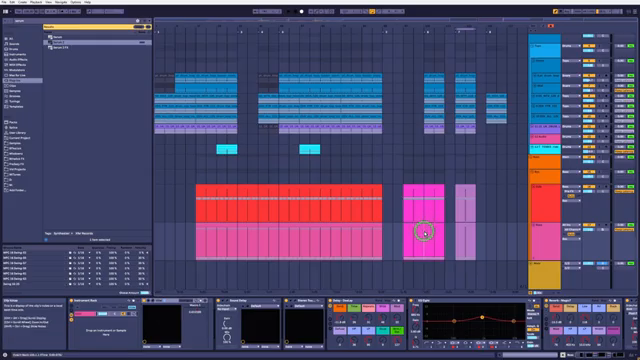
"It's just one long drone."
© Screenshot/Quote: Bthelick (YouTube)
Fixing the Mud: Note Lengths, Envelopes & That PSA
"Your first simple option is just to reduce note length."
© Screenshot/Quote: Bthelick (YouTube)
Time for solutions. First up, Bthelick pushes the classic fix: shorten those sub notes. By trimming the note length, you carve out space in the low end and immediately get more definition. But he doesn’t let you off the hook – there’s a stern PSA about envelopes. Chop a low-frequency note mid-cycle and you’ll end up with clicks and accidental extra rhythms, as your sub suddenly starts throwing out square wave transients like confetti at a bad wedding.
He’s clear: lower notes need longer envelope release times, especially in keys like E or D, or you’ll get a slap of unwanted artefacts. And when it comes to envelope shapes, switching to a pluckier contour can help bring clarity back – but beware, you may lose some low-end beef, and commercial rigs might not even notice your careful tweaks. The real trick? Shorter notes usually win, giving you groove without sacrificing weight.
The takeaway is classic Bthelick: know when to tweak, when to prune, and why blind copying isn’t your friend. If you want your subs to groove, not groan, you need to mind both your note lengths and your envelope settings. It’s a balancing act that only your ears – and a proper sound system – can really judge.
Machine Gun Mayhem: Sub Rhythms that Work
Once you’ve dodged the mud, there’s another landmine: the machine gun effect. Bthelick explains how matching your sub rhythm to every sixteenth note can turn the low end into a relentless barrage – not exactly what you want driving the dance floor. He draws a sharp parallel to drum programming: just because your hats are busy doesn’t mean your kicks should be. The same applies to subs.
The fix? Switch up the patterns. Try eighth notes or even quarter-note subs to anchor your groove, or play with accent patterns like 3-3-2 to bring bounce and movement without overloading the low end. It’s about giving your subs room to breathe and your crowd something to actually move to, instead of just nodding along to a digital jackhammer.
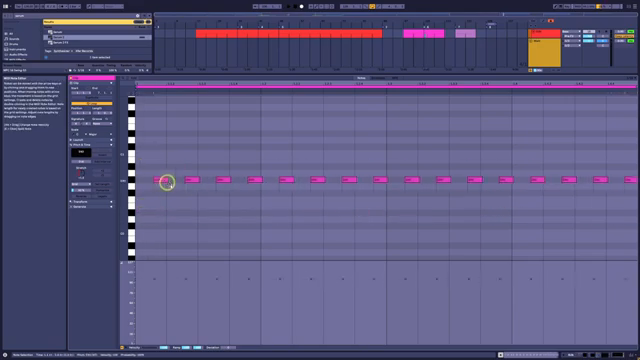
"I call it the machine gun effect."
© Screenshot/Quote: Bthelick (YouTube)
Break the Grid: Experiment or Die
Bthelick signs off with a simple but brutal truth: if you want your bass to slap, you have to experiment. Don’t just copy the upper bass, don’t just follow the grid, and definitely don’t trust your laptop speakers. Try new patterns, play with accents, and let your sub groove evolve. The difference between a weapon and a wet blanket is in the details – and if you want to really feel it, you’ll just have to watch the video and hear for yourself.
This article is also available in German. Read it here: https://synthmagazin.at/bthelick-vs-matschige-subs-warum-deine-rolling-bass-grooves-abstinken/
More articles about these products:
 Andrew Huang’s Remix Rodeo: Four Producers, One Song, Total Mayhem
 Pick Yourself’s Guide to Kick Drums: From Sine Waves to Club-Ready Punch
 Bthelick’s Secret Sauce: Nailing That Elusive Tech/Bass House Lead
 Voltage Labs Illuminates Joris Voorn’s ‘Melatonin’: A Sonic Blanket Unfurled
 Devin Belanger Breaks Down Blackpink’s ‘Go’: Industrial Pop Gets a Synth Autopsy
 Gabe Miller Music’s MPC Live III Jam: Streetwise Techno, Randomness, and Layered Grooves
 AudioPilz Dishes the Dirt: What Your Synth REALLY Says About You
 MusicRadar Tech & Storm Mollison: Club Grooves, Chill Vibes, and a Synth Safari
 TheCosmicAcademy: Sculpting Space—Sound Design as Sonic Storytelling
 Bthelick vs. Scaler 3.2: When Chords Meet Club Floors
 Rapid Flow’s Studio Diet: Cut the Fat, Feed the Groove
 Sanjay C Goes Galactic: ROLI Airwave & Piano Unleashed
Watch on YouTube:
Latest articles
Watch on YouTube:
Visit the channel:
https://www.youtube.com/Bthelick
https://www.youtube.com/Bthelick
Links from Bthelick:
Instagram: https://instagram.com/bthelickmusic
SoundCloud: https://soundcloud.com/bthelick
Ko-Fi: https://ko-fi.com/bthelick
facebook: https://facebook.com/bthelick
Twitter: https://twitter.com/BtheLick
Sponsored links:
If you purchase via these links, we may earn a small commission – at no extra cost to you. The link opens an Amazon keyword search, and results may vary depending on availability.
Serum
🔗 Check price on Amazon
🔗 Check price on Amazon
Vital
🔗 Check price on Amazon
🔗 Check price on Amazon