Ever wonder why your tracks end up sounding flatter than a day-old club soda? Pick Yourself jumps into the deep end, calling out the worst mixing advice floating around producer forums and YouTube rabbit holes. Forget cookie-cutter tips—this video is all about dodging the rookie mistakes that’ll leave your beats limp and lifeless. If you care about punchy grooves and not just textbook answers, this is the kind of honest advice you’ll want on your next late-night session. Grab your headphones, but don’t expect anyone to sugarcoat your workflow.
1. July 2026
RILEY
Pick Yourself vs. The 5 Most Toxic Mixing Tips: Real Talk for Bedroom Producers
When Good Advice Goes Sour
If you’ve ever scrolled through music forums or binge-watched YouTube tutorials, you know the drill: everyone’s got an opinion on how to mix. Pick Yourself kicks things off by calling out all those so-called “best practices” that are actually just sabotaging your tracks. The video’s got no patience for rules that leave your music sounding like it’s been run through a blender and left out in the rain.
The core point? Blindly following the herd won’t get you that rich, three-dimensional sound you’re chasing. Instead, you’re more likely to end up frustrated—wondering why your beats don’t slap even after hours of ‘fixing’ them. Sometimes, the most common advice is the quickest way to kill the energy in your mix.
Unlearning the Top 5 Toxic Mixing Tips
Pick Yourself lays out five pieces of mixing advice that need to be tossed in the trash ASAP. From mindless EQ cuts to exporting everything at -6dB, these tips are the reason so many producers get stuck spinning their wheels. Forget about mixing by numbers—this is about kicking bad habits to the curb and getting back to what actually works.
EQ Myths and Mono Madness
First up, Pick Yourself rips into the classic ‘cut everything’ EQ advice. You know the one: loading up Ableton with a shelf on every channel, just because some dude on TikTok said so. Turns out, hacking away at your frequencies like you’re chopping onions only makes your mix sound thin and lifeless—like listening through a shower curtain. Sometimes, you actually need those frequencies for your tracks to glue together and jump out of the speakers.
Then there’s the mono bass obsession. You’ve probably heard that your low end always needs to be mono or your track will explode (spoiler: it won’t). The truth is, a little stereo width can add vibe, especially when you layer bass sounds for depth. Don’t just follow the rule—think about why you’re doing it. Club systems and vinyl have their quirks, but your music should still sound dope outside the club bathroom.
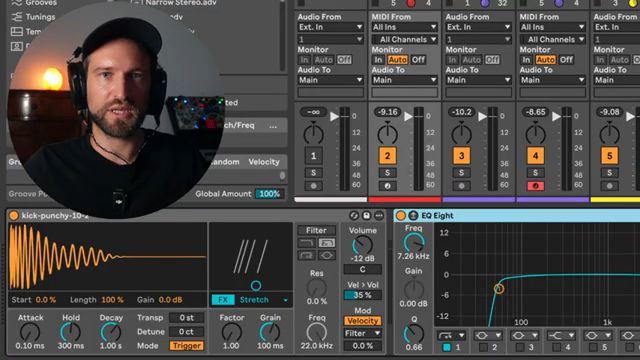
"It always sounds like someone had put like a curtain in front of the speakers."
© Screenshot/Quote: Pickyourselfofficial (YouTube)
Mix With Intention, Not Just Tradition
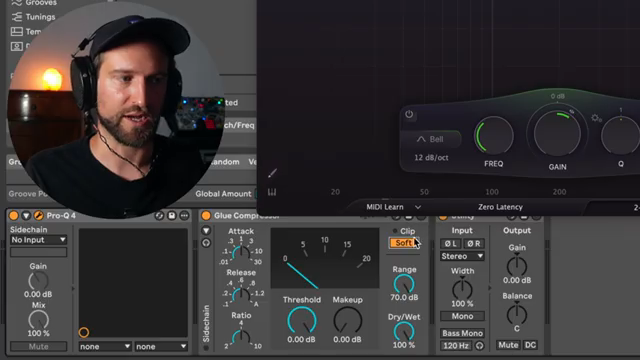
"They would love to receive a 32 bit floating point file because it has a lot of technical advantages."
© Screenshot/Quote: Pickyourselfofficial (YouTube)
Instead of acting like a robot and slapping default plugins on everything, Pick Yourself says it’s all about intentional choices. Mixing as you go can make you feel productive, but unless you’re a certified sound ninja, you’re probably just overcooking your beats. The pros know when to tweak and when to chill, often saving the real mixing for a separate session.
And let’s not forget export myths—like the idea that your mastering engineer cares if you print at -6dB in 24 bit. Spoiler: they’d rather have a well-balanced, 32-bit floating point file with solid gain staging. It’s not about following a recipe; it’s about understanding how each decision shapes your sound. If you’re just pulling down faders at the end, you’re missing the point.
Rethink, Rewire, Repeat
The final slap of wisdom? Stop trying to clone reference tracks down to every last transition. Pick Yourself makes it clear: sound design, arrangement, and mixing are all tied together. Copying every move from someone else’s track just leaves you frustrated and your music sounding generic. Instead, use references for inspiration, but let your own ideas shape the mix. If you want the real sauce, go peep the video—some things just hit different when you hear them in action.
This article is also available in German. Read it here: https://synthmagazin.at/pick-yourself-vs-die-5-toxischsten-mixing-tipps-ehrlicher-talk-fuer-bedroom-producer/
More articles about these products:
 Kairos as Living Sculpture: MusicRadar Tech Enters Laura Misch’s Sonic Sanctuary
 Voltage Labs: Berlin’s Sonic Mosaic – Studios, Shadows and the Pulse of Creation
 Architecting Performances: Novation Launch Control and Ableton Live Macro Workflows
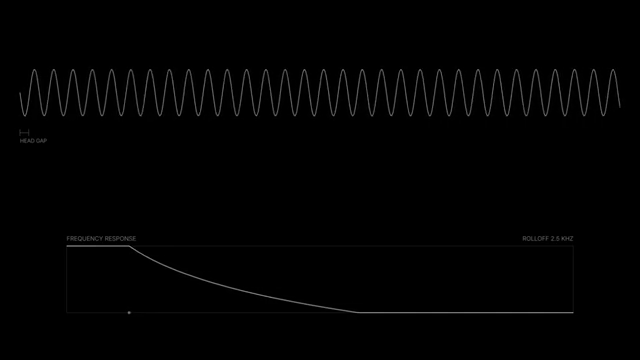 Nebula Machines: Bahadırhan Koçer and the Sonic Physics of Dub Techno
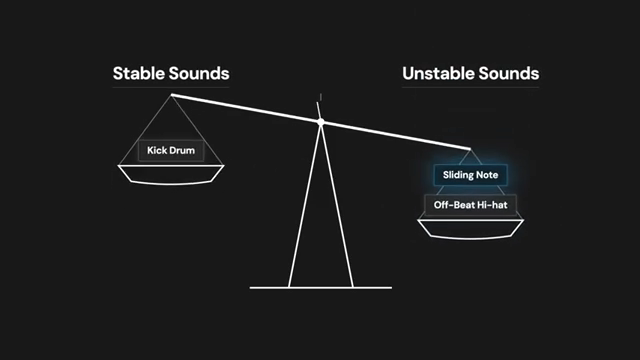 Pick Yourself’s Hypnotic Bass Hack: Rumble Kicks Are Out, Sliding Grooves Are In
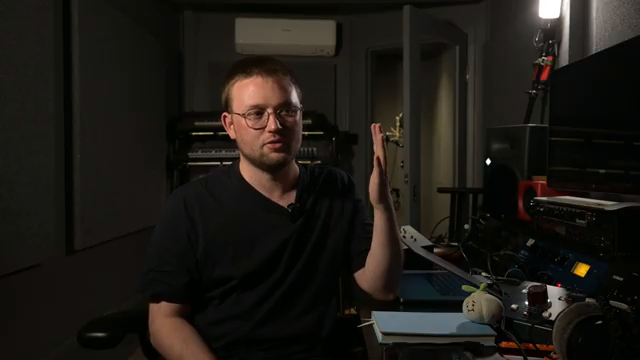 Mad Moments & Club Tactics: Tom VR Gets Real with MusicRadar Tech
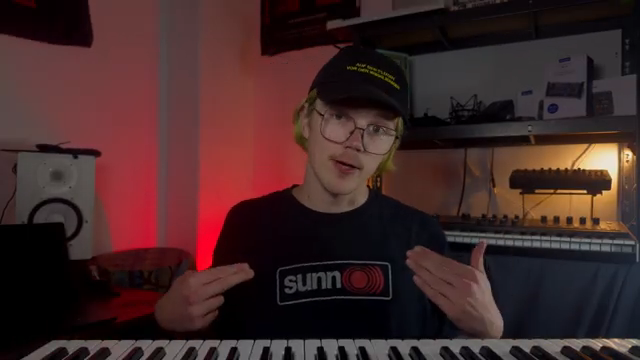 Bonedo Synthesizers: How to Make Any Synth Scream Acid Like a 303
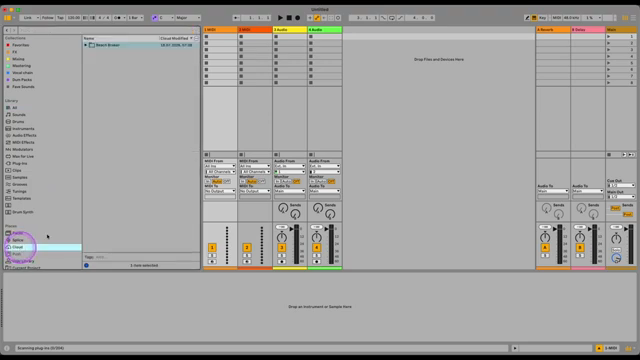 LNA Does Audio Stuff: Making Beats on the Cheap with Ableton Note—Beach Edition
 Andrew Huang’s Remix Rodeo: Four Producers, One Song, Total Mayhem
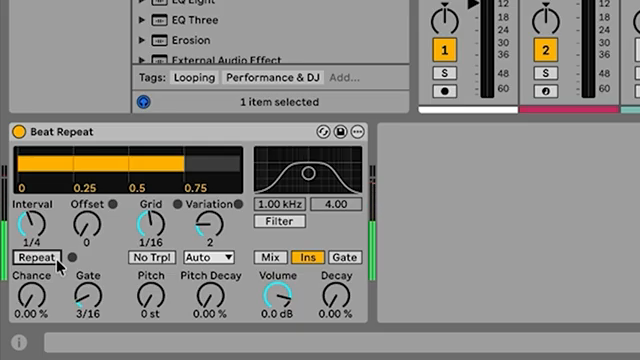 MusicRadar Tech Unleash Ableton Beat Repeat: From Lazy Slicer to Glitch Mayhem
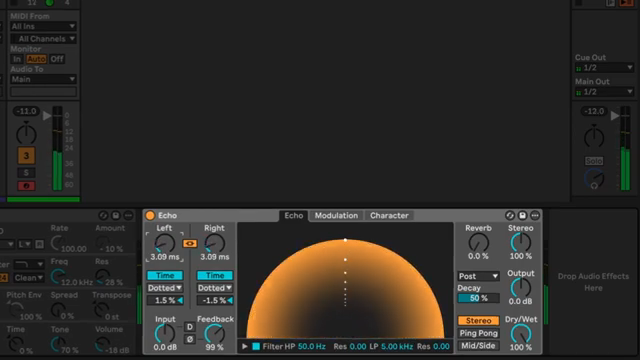 Pick Yourself Makes Echo Bang: Delay as Synth Weapon
 Underdog Electronic Music School: Don’t Let Your Beats Collect Dust
Watch on YouTube:
Latest articles
Watch on YouTube:
Visit the channel:
https://www.youtube.com/pickyourselfofficial
https://www.youtube.com/pickyourselfofficial
Links from pickyourselfofficial:
Work with me: https://pickyourself.com/coaching/
FREE Guide: https://pickyourself.com/framework/
Sponsored links:
If you purchase via these links, we may earn a small commission – at no extra cost to you. The link opens an Amazon keyword search, and results may vary depending on availability.
Ableton Live
🔗 Check price on Amazon
🔗 Check price on Amazon
Glue Compressor
🔗 Check price on Amazon
🔗 Check price on Amazon