Ever looked at your bank account, sighed at TB-303 prices, and thought, ‘There has to be a cheaper way to get that acid squelch’? Bonedo Synthesizers comes to the rescue with a dead-simple recipe for turning almost any synth into a proper acid box. Basti ditches the hype and dives straight into what actually matters: the filter, the slide, the accent, and the sneaky sequencer tricks that make acid basslines bounce. No fluff, no faff—just the pure, uncut 303 essentials. If you’re ready to turn your vanilla synth into a rave bunker weapon, you’re in the right place.
14. August 2026
SPARKY
Bonedo Synthesizers: How to Make Any Synth Scream Acid Like a 303
From Bass Flop to Acid Icon
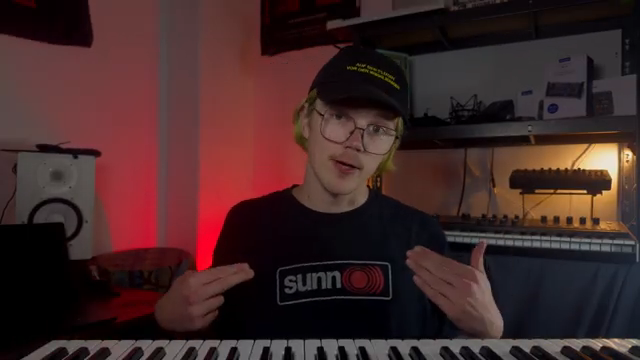
First up, Basti from Bonedo Synthesizers gives us a crash course in the TB-303’s accidental rise to fame. Originally meant to be a bass guitar substitute, the 303 flopped so hard in its intended role that Roland pulled the plug after just a few years. But as digital synths took over in the late ’80s, these dusty boxes started popping up in the hands of broke producers looking for cheap analog dirt.
What happened next is the stuff of electronic folklore: acid house was born, and suddenly the TB-303’s weird sequencer and screaming filter became the backbone of an entire genre. Fast-forward to now and you’ll need to remortgage your flat to buy an original. Basti’s got no time for synth snobbery though—he’s here to show you how to get that squelch without selling a kidney.
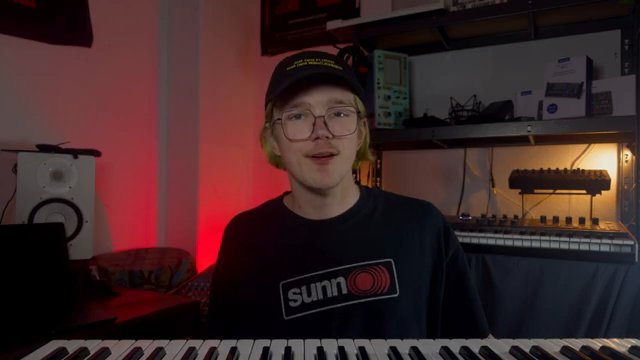
"I bought my 303 for like 60 bucks or something."
© Screenshot/Quote: Bonedo Synthesizers (YouTube)
Breaking Down the 303 Formula
"Can I recreate the 303 sounds with the synth I already own? Well I say yes with a few limitations."
© Screenshot/Quote: Bonedo Synthesizers (YouTube)
Let’s get real: the TB-303 isn’t magic. Basti breaks down what actually matters—monophonic signal path, one oscillator (square or saw), a brutally resonant low-pass filter, and a sequencer that does slide and accent tricks. No secret sauce, just clever design.
The real voodoo comes from those sequencer features. Assigning accent ramps up the volume, filter envelope, and opens the cutoff, while slide lets notes melt into each other for that iconic rubbery flow. Turns out, most modern synths can fake these moves if you know what to tweak. It’s not about the badge—it’s about the behaviour.
Acid on Any Synth: Step-by-Step
Basti gets hands-on with Ableton Live and an ASM Hydrasynth, but the method works on pretty much anything with a MIDI input and a filter. Start by programming a one-bar bassline with octave jumps and strategically placed accents—classic acid territory. Use velocity to dial in those accents: most of the notes low, but the key ones (think step three and any higher octaves) cranked up.
For the slide, just overlap your MIDI notes. If your synth is set to mono and has glide active, you’re golden. No need for a boutique sequencer or a vintage Roland box—this workflow is pure acid with a modern twist. Basti keeps it clinical and direct: draw, set velocity, overlap, done.
Nailing the Accent and Slide
Time for the details that make or break a 303 sound. Basti demonstrates how to map velocity to both filter cutoff and amp volume, mimicking the original’s accent behaviour. If your synth’s modulation matrix is halfway decent, you can set this up in seconds. Envelope modulation on the filter is the third pillar—tweak it until it snaps and pops.
Then comes the slide. With the Hydrasynth set to mono and the glide function engaged, those overlapping notes ooze together just like on the real deal. Fine-tune glide time for that sweet spot between subtle squelch and rubbery madness. As always, the real magic is in the tweaking—so if you want to hear the nasty details, you’d better watch the video for the full aural filth.
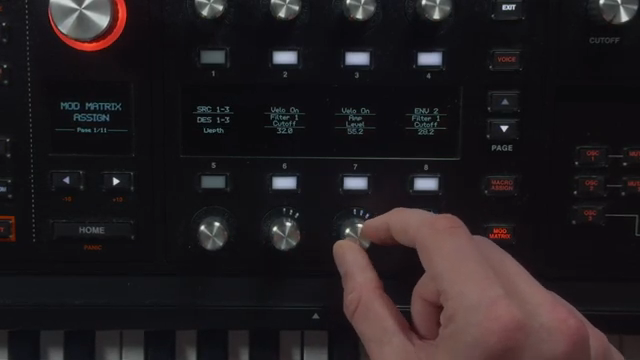
"All of those modulation depth buttons right now basically emulate the accent button on an original 303."
© Screenshot/Quote: Bonedo Synthesizers (YouTube)
Acid Test: The Jam
Proof’s in the pudding. Basti drops the sequence an octave, cranks the resonance, and lets rip with a jam that would make any warehouse crowd lose their minds. Sure, it’s not a pixel-perfect clone of every vintage 303 out there—each synth has its own flavour—but for dancefloor destruction, this method absolutely slaps. If you still think you need to drop four grand on an original, you’re not listening.
This article is also available in German. Read it here: https://synthmagazin.at/bonedo-synthesizers-so-machst-du-aus-jedem-synth-einen-acid-303/
More articles about these products:
 Kairos as Living Sculpture: MusicRadar Tech Enters Laura Misch’s Sonic Sanctuary
 Voltage Labs: Berlin’s Sonic Mosaic – Studios, Shadows and the Pulse of Creation
 Architecting Performances: Novation Launch Control and Ableton Live Macro Workflows
 Nebula Machines: Bahadırhan Koçer and the Sonic Physics of Dub Techno
 Pick Yourself’s Hypnotic Bass Hack: Rumble Kicks Are Out, Sliding Grooves Are In
 Mad Moments & Club Tactics: Tom VR Gets Real with MusicRadar Tech
 LNA Does Audio Stuff: Making Beats on the Cheap with Ableton Note—Beach Edition
 Andrew Huang’s Remix Rodeo: Four Producers, One Song, Total Mayhem
 MusicRadar Tech Unleash Ableton Beat Repeat: From Lazy Slicer to Glitch Mayhem
 Pick Yourself Makes Echo Bang: Delay as Synth Weapon
 Underdog Electronic Music School: Don’t Let Your Beats Collect Dust
 Polyend Play+ in the Hot Seat: Nu-Trix The Synth Guy Gets Real
Watch on YouTube:
Latest articles
Watch on YouTube:
Visit the channel:
https://www.youtube.com/Bonedo-Synthesizers
https://www.youtube.com/Bonedo-Synthesizers
Links from Bonedo-Synthesizers:
bonedo.de: https://bonedo.de
Facebook: https://facebook.com/bonedo.de
Twitter: https://twitter.com/bonedo
Sponsored links:
If you purchase via these links, we may earn a small commission – at no extra cost to you. The link opens an Amazon keyword search, and results may vary depending on availability.
Ableton Live
🔗 Check price on Amazon
🔗 Check price on Amazon
ASM Hydrasynth
🔗 Check price on Amazon
🔗 Check price on Amazon