The Technics SL-1200 wasn’t born for the booth, but Voltage Labs lays out how this hifi heavyweight crashed the DJ party and never left. From direct-drive wizardry to the tactile smack of vinyl, this is a rave bunker tale of precision engineering gone rogue. Expect club folklore, DJ legends, and a cold stare at why the SL-1200 won’t die—even when digital rules the dancefloor. This story isn’t about audiophile dreams; it’s about a toaster-fight that changed music forever.
13. July 2026
SPARKY
Voltage Labs Spins the Truth: How the Technics SL-1200 Hijacked Club Culture
Hi-Fi Origins: Not Built for the Booth
Let’s get one thing straight: the Technics SL-1200 didn’t roll out of the factory with disco balls in mind. In 1965, Matsushita (now Panasonic) cooked up the Technics brand for hi-fi nerds, not dancefloor maniacs. The original goal? Pure, faithful sound for the living room, not for sweat-drenched clubs or caffeine-fueled scratch battles.
So while Technics was out to please the golden-eared audiophile, DJs were nowhere in the marketing plan. Their engineers were obsessed with fidelity and precision, but clubland wasn’t even on their radar. It’s a classic case of accidental genius—a home-listening device about to become a street weapon.
Direct-Drive: The Engine That Changed Everything
Most turntables in the ‘60s were belt-driven—fine for sipping sherry, useless for slamming beats. Technics’ direct-drive system, first unleashed on the SP-10 in 1969, ditched the floppy rubber and made the motor part of the platter. The result? Instant torque, dead-stable rotation, and less to break when things get rowdy. DJs took notice.
The SL-1200’s heavy build and direct-drive muscle meant it could survive endless nights, rough handling, and the endless back-and-forth of queuing up records. It wasn’t just about reliability—it was about opening up a new way of playing vinyl. Suddenly, the turntable wasn’t just a playback machine; it was a launchpad for performance.
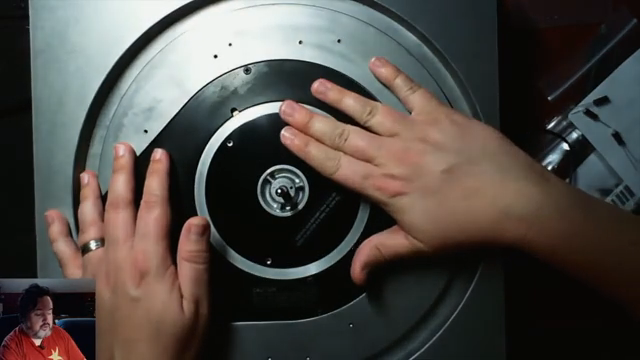
"Rotation remained exceptionally stable. There were fewer moving parts to wear out and the entire mechanism proved incredibly reliable."
© Screenshot/Quote: Voltage Labs (YouTube)
Pitch Control and DJ Culture: Enter the Mk2
"Suddenly two different records could be manually synchronized and blended seamlessly together."
© Screenshot/Quote: Voltage Labs (YouTube)
In 1979, the SL-1200 Mk2 landed with a pitch slider that changed the game. For the first time, DJs could beatmatch with surgical precision and blend tracks seamlessly. This wasn’t just a technical upgrade—it was the birth of a new musical language, where transitions stretched and mixes became art. The Mk2 was the tool that let DJs push the boundaries of what was possible on two decks.
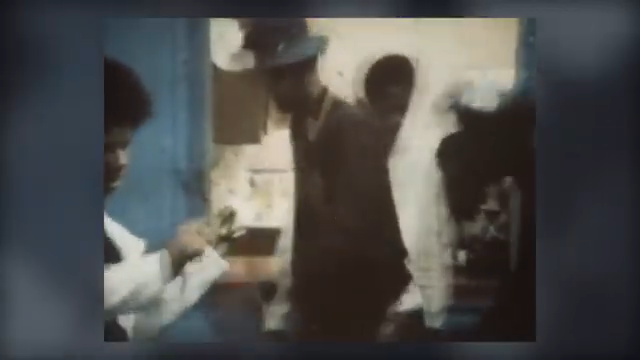
Meanwhile, in the Bronx, hip-hop pioneers like Kool Herc and Grandmaster Flash discovered that direct-drive wasn’t just about stability—it was about control. Scratching, backspins, and record juggling suddenly became possible. Techniques that would’ve shredded a belt-drive deck became everyday moves, and the SL-1200 was now both instrument and icon.
Tactile Addiction: Why Vinyl Still Smacks
CDs, laptops, and controllers might run the numbers, but the hands-on grip of an SL-1200 just hits different. Artists keep requesting them not for nostalgia, but because nothing else puts you in the driver’s seat like vinyl on a Technics. Even when production stopped in 2010, the demand went up—proof that you can’t kill a legend with file formats.
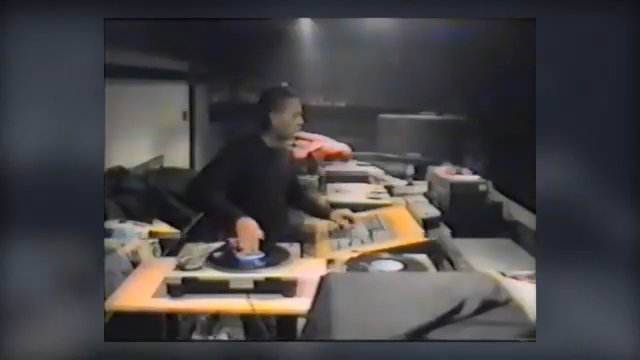
"But because the tactile connection between hand and record remained unmatched ironically just as vinyl experienced a global revival"
© Screenshot/Quote: Voltage Labs (YouTube)
Return of the King: Technics Rides Again
Technics saw the light in 2016, bringing the SL-1200 back with a shiny update but the same tank-like DNA. Sixty years on, the design still sets the standard, and the name is burned into club culture across the globe. If you want to see why, skip the spec sheet and watch Voltage Labs lay it down—the groove is better on video.
This article is also available in German. Read it here: https://synthmagazin.at/voltage-labs-packt-aus-wie-der-technics-sl-1200-die-clubkultur-gekapert-hat/
Watch on YouTube:
Latest articles
Watch on YouTube:
Visit the channel:
https://www.youtube.com/voltage_labs
https://www.youtube.com/voltage_labs
Links from voltage_labs:
instagram: https://www.instagram.com/voltage.labs
Sponsored links:
If you purchase via these links, we may earn a small commission – at no extra cost to you. The link opens an Amazon keyword search, and results may vary depending on availability.
Technics SL-1200
🔗 Check price on Amazon
🔗 Check price on Amazon
Technics SL-1200 Mk2
🔗 Check price on Amazon
🔗 Check price on Amazon
Technics SP-10
🔗 Check price on Amazon
🔗 Check price on Amazon