OXI Instruments has unleashed Firmware 3 for the Coral Eurorack module, pushing modular synthesis into fully customizable territory. With the ability to build your own firmware from a selection of sound engines in the browser, Coral pivots toward the needs of digital and hybrid synth enthusiasts. This update introduces new FM and analog-inspired engines, strings, pianos, and a host of workflow enhancements, all demonstrated in OXI’s concise walkthrough. We dig into what’s actually on offer—and what this new approach means for modular workflow architects.
1. October 2026
LYRA
OXI Instruments Coral Firmware 3: A Modular Power-User’s Playground
Build-Your-Own Coral: Firmware Compilation Goes Hands-On
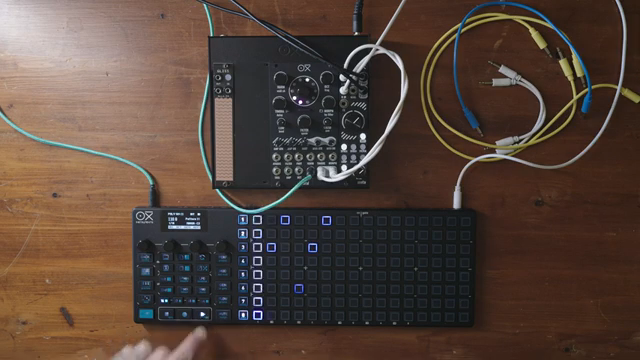
Firmware 3 for OXI Coral radically revises the user experience, centering the module around a custom firmware builder accessible via browser. OXI walks through a guided update process: users connect Coral, survey which engines are currently loaded, and then select their preferred set from an expanding list. Not every engine is featherweight—memory constraints are visible in real time, with the updater warning when you exceed the device’s limits.
Once your selection is dialed in, compiling and uploading is a single click away. This approach means Coral can become a focused FM workstation today, a string synth tomorrow, or a multi-engine hybrid for a performance set—all without menu diving or SD card shuffling. For digital/hybrid workflow obsessives, this browser-based customization pushes Coral toward a modular firmware ethos reminiscent of open-source platforms, but with OXI’s signature focus on hands-on immediacy.
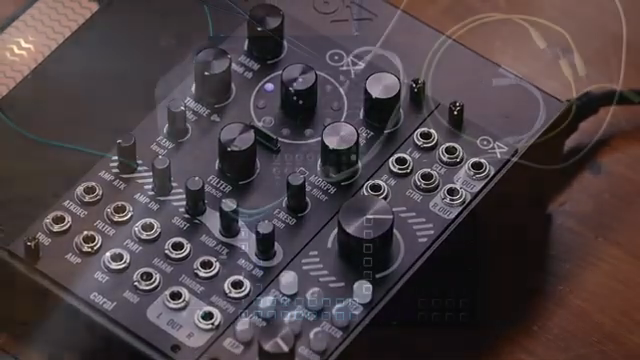
"You can now build your own custom firmware with the engines you need."
© Screenshot/Quote: Oxiinstruments (YouTube)
FMX7 and OBVA: Digital Heritage, Modular Flex
"It's a 6-voice, 6-operator FM synth, and you can load classic DX7 patches and presets from the SD card."
© Screenshot/Quote: Oxiinstruments (YouTube)
The new FMX7 engine is OXI’s take on classic DX7-style FM, offering six voices and six operators—a direct nod to the icon’s architecture. Notably, Coral can now load original DX7 patches and presets directly from the SD card, making decades of FM sound design instantly accessible. Patch browsing is handled via the encoder, with additional knobs for FM brightness and an onboard Juno-style chorus, adding both nostalgia and grit to the workflow.
OBVA, meanwhile, aims to channel the Oberheim vibe, emphasizing lush analog poly textures. Here, the Timbre control morphs between waveform combinations, including a unison mode for classic thickness. Harm adjusts detune, while Morph cycles through different filter poles. The result is a digital engine with a surprisingly analog sensibility, clearly aimed at those who want vintage tones with modern modular flexibility.
String 2 and Pianoz: From Chords to Club Classics
String 2 is OXI’s homage to Solina-style string machines, complete with a dedicated chord mode that’s enabled in the module’s options menu. This feature is especially useful for lush, polyphonic textures and quick harmonic layering—ideal for live performance or instant soundtrack fodder. The sound is unmistakably inspired by vintage ensemble keyboards, but with the tweakability expected from a modern Eurorack engine.
Pianoz rounds out the acoustic-to-electronic spectrum, offering a rompler engine that jumps from house pianos to Rhodes and organs. While the video only briefly touches on these sounds, it’s clear that the intention is fast access to bread-and-butter keys for both production and performance. This further expands Coral’s palette, letting users assemble a rig that covers everything from string swells to club stabs, all in a single session.
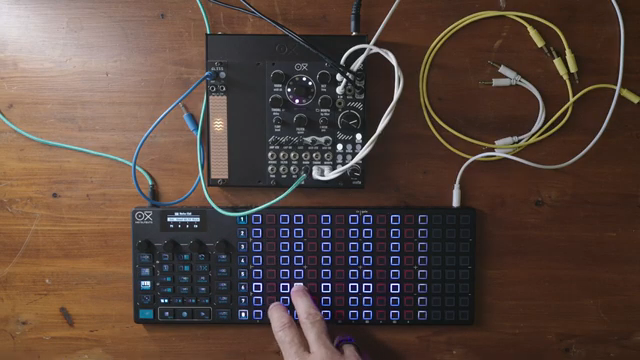
"This one has a special feature, a chord mode you can turn on in the options."
© Screenshot/Quote: Oxiinstruments (YouTube)
Options In-Module and Drone Mode: Streamlining and Sonic Exploration
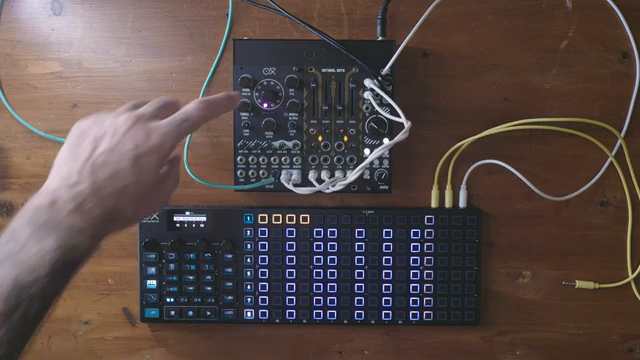
"These are the active engines on Coral. I'll turn on drone for engine 1, FMX7."
© Screenshot/Quote: Oxiinstruments (YouTube)
Firmware 3 isn’t just about sound engines—it also brings significant workflow upgrades. The most welcome is the new on-module options menu, which eliminates the need to edit configuration files on a computer. Users now access settings by pressing the encoder multiple times (four or five, depending on the engine’s submenu complexity). A multicolored LED array provides visual feedback, and turning the encoder scrolls through settings, with an orange LED highlighting the current selection.
This tactile update is a major boon for live and studio users who want to avoid breaking creative flow to tweak under-the-hood parameters. The manual remains essential for deciphering every option, but the process is now much more immediate.
Drone mode is another highlight, allowing any engine to sustain notes indefinitely. Engaged via the options menu, it’s perfect for evolving soundscapes or modular ambient explorations. The demo shows a droning note from FMX7 routed through a low pass gate, using gate outputs to sculpt rhythms—an invitation to both performative and generative workflows.
Coral’s Expanding Architecture: Versatility in Focus
This firmware update cements Coral’s role as a flexible, user-definable engine for digital and hybrid modular systems. With customizable firmware, expanded sound engines, and hands-on workflow enhancements, Coral now adapts to a wide variety of musical contexts—from classic FM and analog emulations to experimental drones and beyond. OXI’s approach is unapologetically modular—not just in hardware, but in architecture and user experience.
This article is also available in German. Read it here: https://synthmagazin.at/oxi-instruments-coral-firmware-3-ein-modularer-spielplatz-fuer-power-user/
More articles about these products:
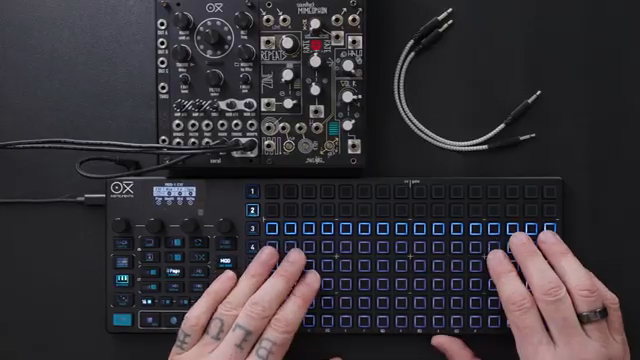 OXI Instruments OXI One MKII: Modulation Lanes Unleashed
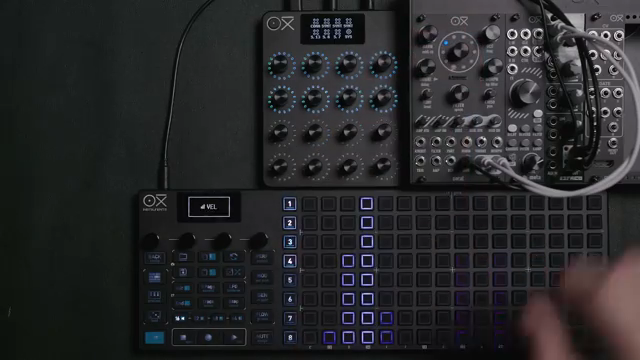 OXI Instruments: Building a Modular Powerhouse—E16, One MKII and Coral in Cohesion
 OXI Instruments OXI One MKII: Modulation Workflows Unleashed
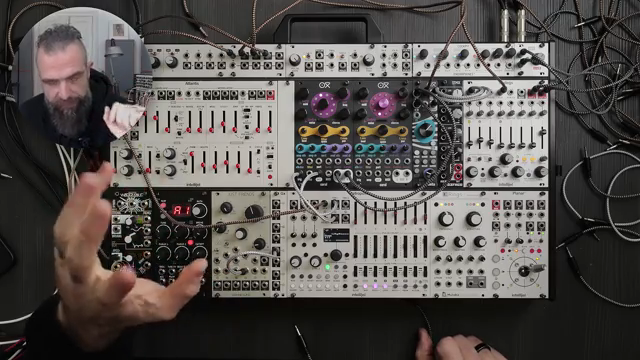 OXI Instruments: CV-Driven Patching with Coral and Meta in Eurorack Action
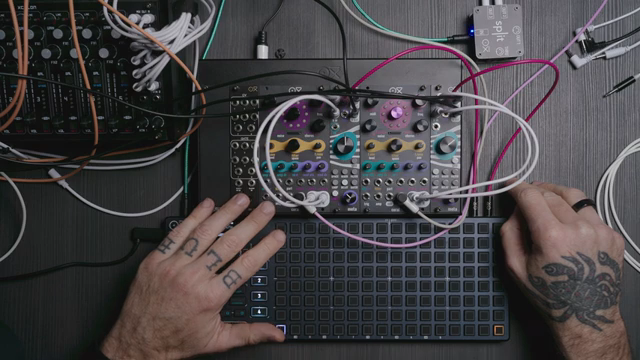 Building Tracks the Modular Way: OXI Instruments Ecosystem in Action
 OXI Instruments OXI ONE: Mastering CV & Gate Modulation for Modular Mayhem
 OXI Instruments OXI ONE: Modular Modulation Mastery Unleashed
Watch on YouTube:
Latest articles
Watch on YouTube:
Visit the channel:
https://www.youtube.com/oxiinstruments
https://www.youtube.com/oxiinstruments
Links from oxiinstruments:
website: https://oxiinstruments.com
instagram: https://www.instagram.com/oxiinstruments
facebook: https://www.facebook.com/oxiinstruments/
support: https://oxiinstruments.com/support
Sponsored links:
If you purchase via these links, we may earn a small commission – at no extra cost to you. The link opens an Amazon keyword search, and results may vary depending on availability.
OXI Coral
🔗 Check price on Amazon
🔗 Check price on Amazon