Arturia’s AstroLab takes the spotlight as Philippe Brodu unpacks his approach to recreating timeless synth sounds for live performance. In this official Arturia video, Brodu explores the intersection of tactile hardware and digital sound engines, showing how AstroLab and the V Collection bridge vintage character with modern workflow demands. Expect hands-on demonstrations, sound layering, deep vocoder moments, and honest reflections on why physical instruments endure even as AI reshapes the music landscape.
16. October 2026
LYRA
Arturia’s AstroLab: Classic Sounds, Modern Stage – Through Philippe Brodu’s Workflow
Arturia Astrolab, Arturia KeyLab, Arturia MatrixBrute, Arturia PolyBrute, Arturia V Collection, Arturia Vocoder V
AstroLab on Stage: Brodu’s Live Sound Philosophy
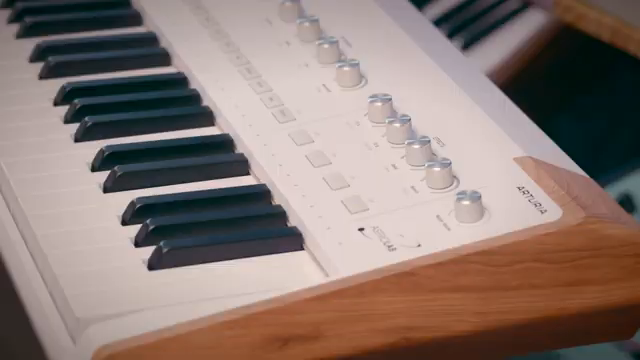
Philippe Brodu positions the AstroLab as his essential companion for live performances, especially when he wants to leave the laptop at home. He describes how the AstroLab fits naturally into his rig, sitting alongside his other Arturia gear like the KeyLab and PolyBrute, but standing out because of its portability and standalone capability. The fact that both the smaller AstroLab 37 and the larger model share the same internal engine means he can move seamlessly between setups without compromising on sound or workflow.
Brodu’s choice to return to hardware after a stint with only software reveals a key motivation: the immediacy and inspiration of tactile controls. The AstroLab’s design enables him to access the “typical analog sound” he’s after, reinforcing the idea that a purpose-built hardware instrument delivers a fundamentally different experience than plugins alone. For Brodu, the AstroLab isn’t just another keyboard—it’s a reliable bridge between the studio and the stage, tailored for the demands of live recreation of classic tones.
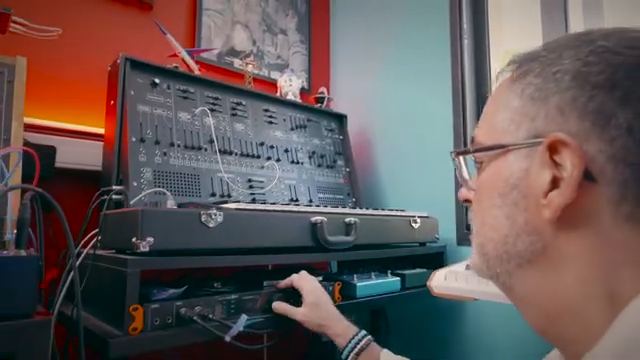
"Sometimes I'm going on stage and I don't want to take my computer on stage, I've got the Astrolab."
© Screenshot/Quote: Arturiaofficial (YouTube)
Architectural Highlights: Interface and Engine
"There was a lot of challenge like this circle screen. It's unusual, it's unique on the Astrolab."
© Screenshot/Quote: Arturiaofficial (YouTube)
The video places strong emphasis on AstroLab’s unique interface, particularly its circular screen—a rare design choice in keyboard instruments. Brodu remarks on the initial “wow” factor and highlights the logic and coherence of the workflow. After just ten minutes with the instrument, he felt comfortable navigating its functions, attributing this to well-thought-out shortcuts and a user experience reminiscent of Apple’s classic design philosophy.
AstroLab’s sound engine is presented as both powerful and transparent, allowing deep access without overwhelming the performer. The user interface encourages exploration by making essential parameters and performance tools easily accessible. The combination of clever interface design and a robust sound engine is what sets the AstroLab apart for Brodu, enabling fast adaptation and creative spontaneity in both studio and live settings.
Layering, Vocoding, and Classic Tracks: The AstroLab in Action
Brodu offers concrete demonstrations of how AstroLab’s architecture supports detailed sound recreation for iconic tracks. For Earth, Wind & Fire’s “Let’s Groove,” he chases the exact vocoder sound, tweaking presets and pushing the preamp until he stumbles upon the authentic bottom-end character. This hands-on approach highlights how AstroLab’s parameter space allows users to experiment and even exploit unexpected behaviors—like overloading the audio input—to achieve signature sounds.
He continues with examples from The Buggles and Daft Punk, using both the built-in vocoder and sampler. His story about researching the Buggles’ original vocoder (the Korg VC-10) and then matching its distinct sound using Arturia’s Vocoder V inside AstroLab demonstrates both the fidelity and flexibility of the instrument. The sampler’s multi-sample capability enables mapping unique sounds per key, which Brodu leverages for genre-spanning setlists, from 80s pop to contemporary electronic.
The section closes with references to the Fairlight and Emulator 2 sounds—made accessible via the V Collection—and a nod to Kate Bush’s “Running Up That Hill.” AstroLab’s ability to blend and layer these diverse sonic elements in a single hardware device underscores its role as a bridge between classic and modern sound palettes.
"At a moment I just overload the audio input of the preamp and instantly I've got this effect that I was searching for."
© Screenshot/Quote: Arturiaofficial (YouTube)
The Case for Physical Instruments: Beyond AI
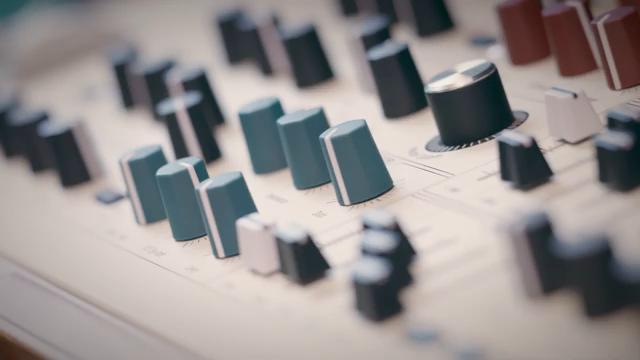
"We are musicians, we are creators, and nothing can change this."
© Screenshot/Quote: Arturiaofficial (YouTube)
In the concluding moments, Brodu addresses the contemporary question: why persist with physical instruments when AI can seemingly generate music in seconds? His answer is firm—musicians and creators need real, tactile tools to fully express themselves. For him, no digital shortcut or algorithmic convenience can replace the creative engagement and satisfaction offered by hands-on instruments like the AstroLab.
This article is also available in German. Read it here: https://synthmagazin.at/arturias-astrolab-klassische-sounds-moderne-buehne-im-workflow-von-philippe-brodu/
More articles about these products:
 Noisegate & Luke Million: Synths That Shook the Stage (and Your Nan’s China Cabinet)
 Summit Stays Supreme: The Midlife Synthesist’s One-Year Verdict
 Bolo Da Producer Calls Out the Keyboard Workstation Myth
 Voltage Labs Unleash the Arturia AstroLab: Stage Weapon or Studio Sidekick?
 Starsky Carr’s Synth Bunker: Vintage Heat Meets Modern Muscle
 Sonic Blueprints: Sanjay C Journeys Through Teddy Riley’s Nebula
 Starsky Carr’s Gridlock II Review: MIDI Mayhem, Sorted
 Voltage Labs: Echoes from Kingston to Kreuzberg – The Sonic Story of Dub Techno
 Molten Music Technology’s Astrolab 37: Software Synths Go Streetwise
 Arturia V Collection: Lauren Faith’s Workflow and the Art of Instant Inspiration
 Scott’s Synth Stuff: A Bodega of 2025’s Sickest Synths
 SanjayC Unleashes the Synth Slap at Synth Expo 2025
Watch on YouTube:
Latest articles
Watch on YouTube:
Visit the channel:
https://www.youtube.com/ArturiaOfficial
https://www.youtube.com/ArturiaOfficial
Links from ArturiaOfficial:
website: https://www.arturia.com
instagram: https://instagram.com/arturia_official
twitter: https://twitter.com/ArturiaOfficial
soundcloud: https://soundcloud.com/arturia-official/albums
Sponsored links:
If you purchase via these links, we may earn a small commission – at no extra cost to you. The link opens an Amazon keyword search, and results may vary depending on availability.
Arturia Astrolab
🔗 Check price on Amazon
🔗 Check price on Amazon
Arturia KeyLab
🔗 Check price on Amazon
🔗 Check price on Amazon
Arturia MatrixBrute
🔗 Check price on Amazon
🔗 Check price on Amazon
Arturia PolyBrute
🔗 Check price on Amazon
🔗 Check price on Amazon
Arturia V Collection
🔗 Check price on Amazon
🔗 Check price on Amazon
Arturia Vocoder V
🔗 Check price on Amazon
🔗 Check price on Amazon