Behringer’s JN-80 was hyped as a poly aftertouch monster. But Vulture Culture digs in and finds the truth is much less glamorous—and a lot more channel aftertouch. Expect sharp commentary, forensic MIDI sleuthing, and a take-no-prisoners teardown of misleading specs. If you like your synth news unfiltered, strap in for this one.
3. November 2026
SPARKY
Vulture Culture Calls Out Behringer: The JN-80 Poly Aftertouch Fiasco
Poly Aftertouch? More Like Poly Disappointment
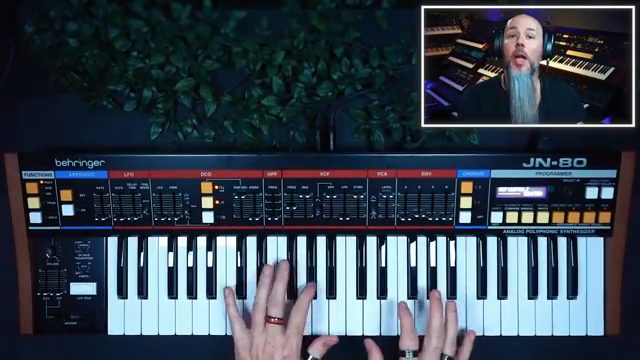
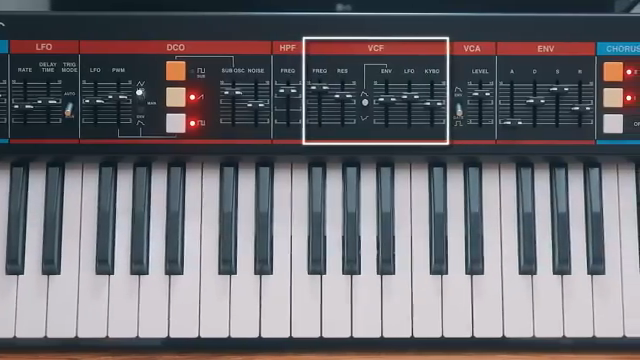
Vulture Culture wastes no time dropping the bomb: Behringer’s JN-80, trumpeted as a polyphonic aftertouch beast, is actually just another channel aftertouch pretender. The video starts with a side-eye at Behringer’s marketing, which has been very clear—polyphonic aftertouch is supposed to be here. Spoiler: it isn’t.
Instead of individual pressure per key, what you get is the same tired channel aftertouch signal, no matter how you press those keys. Hold a big chord, lean on a single note, and the JN-80 responds like it’s stuck in 1985. If you wanted independent expression in your pads or leads, you’ll have to look elsewhere—or plug in a proper controller.
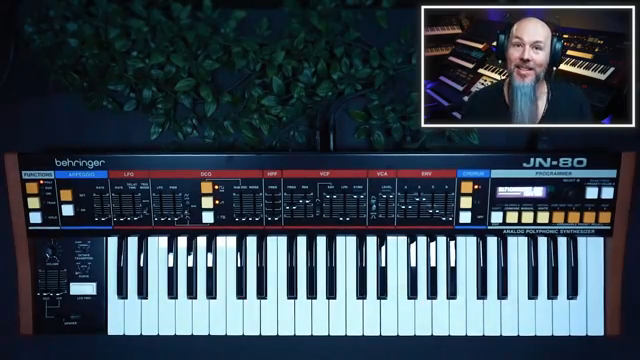
"Hold a four note chord, lean on one key, and every pressure message the keyboard sends arrives as a single value with no note number attached."
© Screenshot/Quote: Vultureculture (YouTube)
The Engine’s Ready, The Keybed Isn’t
"The sound engine itself handles polyphonic aftertouch correctly when you send it from a DAW, with voices responding independently, so the capability is in the instrument."
© Screenshot/Quote: Vultureculture (YouTube)
Here’s the kicker: the JN-80’s sound engine happily eats polyphonic aftertouch if you feed it from a DAW or external controller. Vulture Culture demonstrates this with the clinical precision of a rave scientist—send in real poly aftertouch data, and the JN-80’s voices respond independently, just as advertised.
But the built-in keybed? It’s a dead end. No matter how you prod, poke, or bash the keys, the internal hardware just spits out a single aftertouch value for the whole channel. It’s like buying a sports car and finding out the accelerator is just a brick with a sticker on it.
Marketing Mirage: Four Places, One Lie
Vulture Culture pulls receipts from every corner of Behringer’s empire: the release video, the official website, the user manual, even the quick start guide. All of them, plain as day, claim the JN-80 has a polyphonic aftertouch keybed. The evidence is not just circumstantial—it’s screen-capped, archived, and timestamped for future synth historians.
This isn’t just a sloppy typo; it’s a pattern of misdirection. Vulture Culture’s tone is surgical and just a bit savage, calling out the disconnect between Behringer’s big promises and the reality under your fingers. For a company that loves to court the synth underground, this is a textbook case of trust erosion.
DIY MIDI Sleuths, Assemble
Not content to just rant, Vulture Culture rallies the troops. Viewers are encouraged to grab a free MIDI monitor and put their own JN-80s to the test. It’s open-source accountability: if you’ve got the synth, you can confirm or debunk the claims yourself. This is how you turn a gear review into a community investigation—no corporate smoke and mirrors required.
"You can check this yourself in about ten minutes with a free MIDI monitor."
© Screenshot/Quote: Vultureculture (YouTube)
Firmware Hopes and Customer Service Smoke
"I contacted Behringer support before publishing and asked whether the shipping keybed has per key pressure sensing, whether polyphonic aftertouch is coming in a firmware update, and whether the specification will be corrected if it is not."
© Screenshot/Quote: Vultureculture (YouTube)
So, can Behringer fix this in firmware? Vulture Culture isn’t holding their breath. The video points out that the sound engine can already do polyphonic aftertouch—it’s the hardware that’s lagging. Unless Behringer has some magic up their sleeve, this probably isn’t a fixable bug; it’s a design choice baked into the keybed itself.
The final word? Behringer’s support has been silent so far, with a ticket opened and no answer in sight. Vulture Culture leaves it hanging: will the company own up to the spec sheet blunder, or will this just be another ghost in the update logs? Until there’s an official response, users are left in limbo, waiting for either a miracle or an admission of guilt.
This article is also available in German. Read it here: https://synthmagazin.at/vulture-culture-stellt-behringer-an-den-pranger-das-jn-80-poly-aftertouch-fiasko/
More articles about these products:


Watch on YouTube:
Latest articles
Watch on YouTube:
Visit the channel:
https://www.youtube.com/VultureCulture
https://www.youtube.com/VultureCulture
Links from VultureCulture:
Plugins, Patches + Samples: https://vultureculture.live
Instagram: https://nstagram.com/vultureculturelive/
Sponsored links:
If you purchase via these links, we may earn a small commission – at no extra cost to you. The link opens an Amazon keyword search, and results may vary depending on availability.
Behringer JN-80
🔗 Check price on Amazon
🔗 Check price on Amazon