Ever wondered how The Unperson gets those gritty, honest jams sounding so crisp without a spaceship’s worth of gear? This behind-the-scenes tour is a love letter to the DIY synth crowd: battered shelves, budget monitors, and a Zoom L12 that’s seen more action than most club rigs. Forget studio porn—this is the real world, where creativity trumps cash and Ableton does the heavy lifting. If you think you need a wall of boutique modules to make it slap, this video will set you straight. Dive in for gear hacks, mixing wizardry, and a reminder that the best music comes from working with what you’ve got.

24. November 2025
SPARKY
The Unperson’s Budget Bunker: Studio Hacks and Mixing Realness
Ableton Live, Arturia preamp, Boss RPS 10, Circuit Bent SK1, Eventide Ultra Reverb, iZotope RX-7, KRK Rocket 5, Melbourne Instruments synthesizer, NOH Modular, OP-1, Sonarworks Reference, Tasty Chips GR-1, Teenage Engineering EP-133 K.O. II, Zoom L12
Welcome to the Budget Rave Bunker
The Unperson kicks things off with a panoramic sweep of the home studio, and let’s just say it’s more functional than fancy. We’re talking a gear corner packed to the rafters, a desk by the window for that rare natural light, and a computer station rocking KRK Rocket 5s—cheap, cheerful, and apparently just fine for the job. There’s no acoustic foam fortress here, just a couple of rugs and a shelf that’s one synth away from collapse.
Synths, effects pedals, and a modular setup lurk in every nook, with highlights like the Circuit Bent SK1 and the Boss RPS 10 delay. The modular rig is classic Eurorack chaos—modules in drawers, expansion plans always brewing. Guitars and MIDI controllers round out the arsenal, proving you don’t need a showroom to make noise. The whole vibe? Relatable, messy, and ready for action.
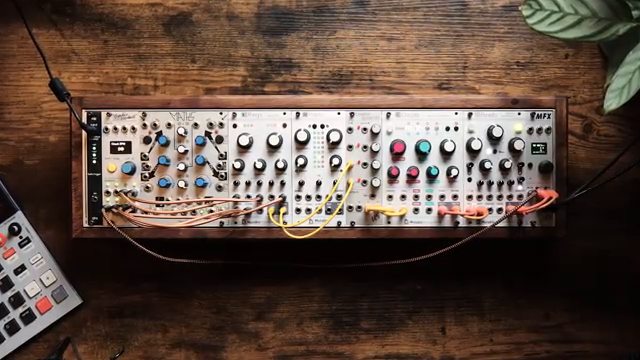
"All of my gear is very budget friendly so there's no fancy equipment in today's video."
© Screenshot/Quote: Theunperson (YouTube)
Ableton Alchemy: Mixing Without the Madness
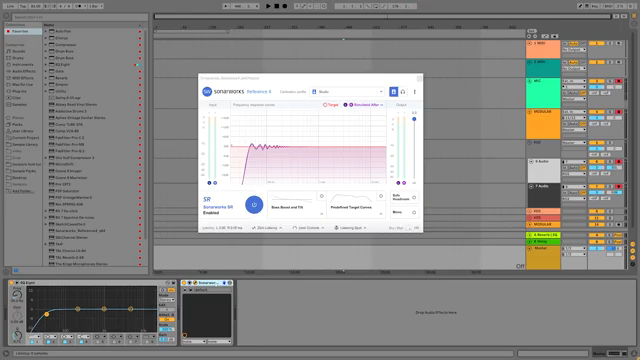
"I can tell instantly when it's not on it just does not sound as crisp and as clear."
© Screenshot/Quote: Theunperson (YouTube)
When it comes to mixing and mastering, The Unperson keeps it lean. The Ableton template is set up for speed: mic channel with a compressor and gate, modular and drum tracks with EQ and compression, and a master channel running Sonarworks Reference for room correction. No endless plugin chains, no mystical voodoo—just the tools that get the job done.
The real trick is using Sonarworks to flatten out the room’s wild EQ curve, compensating for the lack of acoustic treatment. It’s a pragmatic approach: measure the room, slap on the correction, and get back to making music. The Unperson admits to running this software all the time, even for YouTube listening, because once you hear the difference, there’s no going back. Minimal fuss, maximum clarity.
Zoom L12: The Unsung Hero of the Jam
Let’s talk about the Zoom L12 mixer/interface—a budget beast that punches above its weight. Eight mono channels, two stereo, and the ability to record each track independently make it a live jammer’s dream. The Unperson routes modular, KO2, and mics with room to spare, and the multiple headphone outputs are a sneaky bonus for quick sampling or collaborative sessions.
SD card recording means you can capture live sets and mix them properly later, which is a game-changer for anyone who’s ever tried to salvage a stereo jam. The onboard EQ, effects, and compression are there if you want them, but the workflow is all about flexibility and speed. It’s not glamorous, but it’s reliable—and in this studio, that’s what counts.
"It sounds absolutely fine to me, I probably would like to upgrade at some point but it's done me well, I've had it for a long time so yeah that's the Zoom L12."
© Screenshot/Quote: Theunperson (YouTube)
Mixing Past Projects: Keep It Simple, Keep It Honest
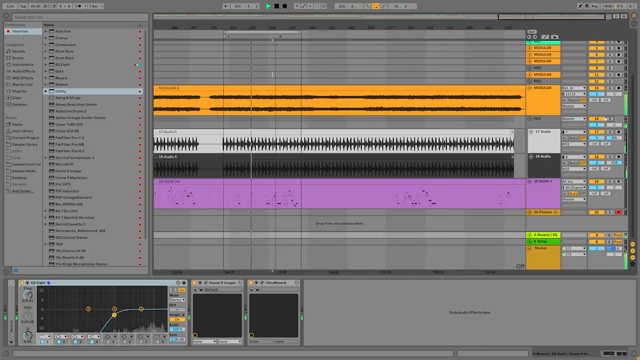
"I don't want to have so much post processing that you don't get an accurate representation of the gear you're actually demoing."
© Screenshot/Quote: Theunperson (YouTube)
The Unperson dives into past jams—like the Oscar DSF and NOH Modular sessions—to show how minimal processing keeps the sound true. Each mix is about cleaning up the lows, a touch of compression, and just enough EQ to let the gear speak for itself. There’s no overcooked sauce here; the goal is to represent the hardware honestly, not drown it in plugins.
Whether it’s scooping subs from the modular, boosting kicks on the drum track, or adding subtle saturation, every move is deliberate and restrained. Even the send effects are used sparingly—just a dash of reverb on the highs to add space. The message is clear: don’t let post-production bury the vibe. If you want to hear how these tweaks actually sound, you’ll need to check the video—words can’t do justice to the punch and clarity achieved with such a light touch.
DIY Forever: Gear Doesn’t Make the Music
Wrapping up, The Unperson hammers home the point: you don’t need a palace of gear to make great tracks. The studio is minimal, the monitors are cheap, and the acoustic treatment is basically non-existent. What matters is using what you’ve got and pushing it to its limits. That’s the real secret sauce—creativity over cash, always.
This article is also available in German. Read it here: https://synthmagazin.at/the-unpersons-budget-bunker-studio-hacks-und-mixing-realness/
More articles about these products:
 Voltage Labs x Benjamin Damage: Berlin Studio Weapons Unleashed
 The Unperson Chains Chaos: RYK Side FX Gets the Sparky Treatment
 Rapid Flow’s Step Sequencer Survival Kit: omniGRID 1.1 from Blank Slate to Bass Face
 Underdog Electronic Music School: When One Pulse is Enough to Break Your Brain
 David Hilowitz Music Goes Wild: Spotykach, the Open-Source Looper That Stumbles into Genius
 Noisegate Unpacks Teenage Engineering: Pocket-Sized Power with OP-1 Field, K.O. II & OP-XY
 Markers That Splash: Underdog Electronic Music School’s Guide to Kickstarting Your Phrases
 Vostok SIGMA: The Unperson Unleashes Modular Mayhem
 Kairos as Living Sculpture: MusicRadar Tech Enters Laura Misch’s Sonic Sanctuary
 Voltage Labs: Berlin’s Sonic Mosaic – Studios, Shadows and the Pulse of Creation
 Teenage Engineering EP-133 K.O. II: How Much Sampler Fits into 128 MB?
 Architecting Performances: Novation Launch Control and Ableton Live Macro Workflows
Watch on YouTube:
Latest articles
Watch on YouTube:
Visit the channel:
https://www.youtube.com/TheUnperson
https://www.youtube.com/TheUnperson
Links from TheUnperson:
patreon: https://patreon.com/theunperson
gumroad: https://theunpers0n.gumroad.com/
instagram: https://instagram.com/theunperson_
bandcamp: https://theunperson.bandcamp.com/
Sponsored links:
If you purchase via these links, we may earn a small commission – at no extra cost to you. The link opens an Amazon keyword search, and results may vary depending on availability.
Ableton Live
🔗 Check price on Amazon
🔗 Check price on Amazon
Arturia preamp
🔗 Check price on Amazon
🔗 Check price on Amazon
Boss RPS 10
🔗 Check price on Amazon
🔗 Check price on Amazon
Circuit Bent SK1
🔗 Check price on Amazon
🔗 Check price on Amazon
Eventide Ultra Reverb
🔗 Check price on Amazon
🔗 Check price on Amazon
iZotope RX-7
🔗 Check price on Amazon
🔗 Check price on Amazon
KRK Rocket 5
🔗 Check price on Amazon
🔗 Check price on Amazon
Melbourne Instruments synthesizer
🔗 Check price on Amazon
🔗 Check price on Amazon
NOH Modular
🔗 Check price on Amazon
🔗 Check price on Amazon
OP-1
🔗 Check price on Amazon
🔗 Check price on Amazon
Sonarworks Reference
🔗 Check price on Amazon
🔗 Check price on Amazon
Tasty Chips GR-1
🔗 Check price on Amazon
🔗 Check price on Amazon
Teenage Engineering EP-133 K.O. II
🔗 Check price on Amazon
🔗 Check price on Amazon
Zoom L12
🔗 Check price on Amazon
🔗 Check price on Amazon