Starsky Carr dives headfirst into the Arturia AstroLab 37, a synth that promises to squeeze the V Collection’s muscle into a rig you can actually carry to a gig without a forklift. Is it just a baby version of its bigger siblings, or does it punch above its weight in the rave bunker? We get Starsky’s signature, no-fluff breakdown—warts, wonders, and workflow quirks included. If you’re after a portable street weapon for live sets or want studio-grade sounds without the studio-grade hernia, this review is your new cheat sheet. Spoiler: there’s more under the hood than you’d expect from something this size.
26. November 2025
SPARKY
Starsky Carr Unleashes the AstroLab 37: Pocket-Sized Powerhouse or Just Shrunk Down?
AstroLab 37: Small Box, Big Arsenal
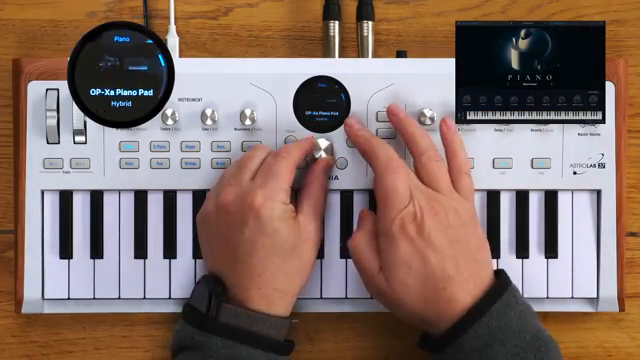
Arturia’s AstroLab 37 lands as the compact contender in the AstroLab family, cramming the same sonic brain as its 61 and 88-key siblings into a chassis barely bigger than a desktop module. You get access to the full buffet of Analog Lab sounds—think 45 classic synths, pianos, organs, and even Pigments, all without needing to fire up a computer. There’s around 2,000 sounds on tap straight out of the box, plus the ability to raid the sound store for more if you’re feeling greedy.
Despite its mini keys and modest footprint, the AstroLab 37 doesn’t skimp on connectivity. MIDI in/out, USB-C, full-size jacks, sustain pedal, and even an audio input for mangling external signals—everything you’d expect from a modern performance synth. If you want to play it with a bigger keyboard, just plug one in and let the AstroLab act as your MIDI host. It’s a proper all-in-one solution for both stage and studio, not just a toy for the bedroom producer.
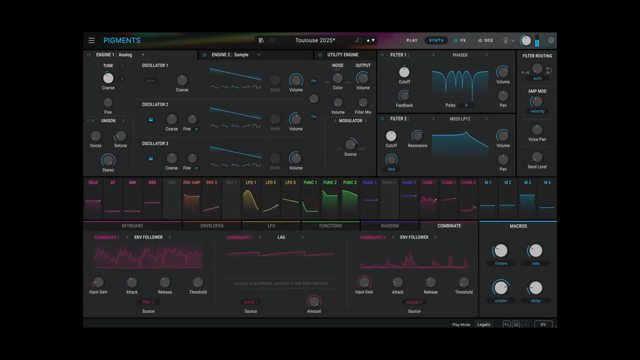
"As with the other Astrolab synths you don't need a computer at all. It's the software packaged in a standalone hardware synth with a nice clear interface, access to macros and effects, arps, chord modes, everything you might expect."
© Screenshot/Quote: Starskycarr (YouTube)
Portability vs. Power: No Compromises?
"The first thing you notice is just how compact it is and I was surprised probably because I've played the larger ones."
© Screenshot/Quote: Starskycarr (YouTube)
Starsky Carr wastes no time pointing out just how compact the AstroLab 37 feels straight out the box—almost shockingly so if you’re used to lugging around the 61-key beast. But don’t let the size fool you; the build quality is solid, the keys and knobs feel premium, and the screen is crisp enough to survive even the darkest club corners.
This isn’t just about shaving off weight for the sake of it. The AstroLab 37 is designed for real-world use, with a workflow that lets you prep playlists, set up songs, and tweak sounds on the fly. Whether you’re gigging or just want a grab-and-go studio brain, this synth aims to keep you moving without sacrificing the essentials. It’s a rare case where portability doesn’t mean leaving half your sound palette at home.
Sound Demos: Genre-Hopping Without Breaking a Sweat
Starsky puts the AstroLab 37 through its paces with a barrage of sound demos, jumping between electric pianos, pads, CS-80 strings, Pigments madness, and more. The sheer variety on offer is wild—classic synths, augmented instruments, and even artist-inspired presets that’ll have you channeling Vangelis, Daft Punk, or Depeche Mode in seconds. If you’re after a one-stop shop for genre-hopping, this thing delivers.
Editing isn’t just for the computer nerds either. You can dive deep into presets, layer sounds, split the keyboard, and assign effects—all from the hardware or via Analog Lab if you want to get surgical. The effects section is stacked: delays, reverbs, chorus, and more, all tweakable and assignable to different parts. The macros let you twist multiple parameters with a single knob, making live sound design a breeze.
Honestly, the real magic is in hearing the AstroLab 37 in action—Starsky’s demo covers everything from lush pads to filthy basses, and the flexibility is best experienced with your own ears. If you want to know how it actually sounds in a mix or on stage, you’ll have to watch the video. Trust me, the sonic punch is real.
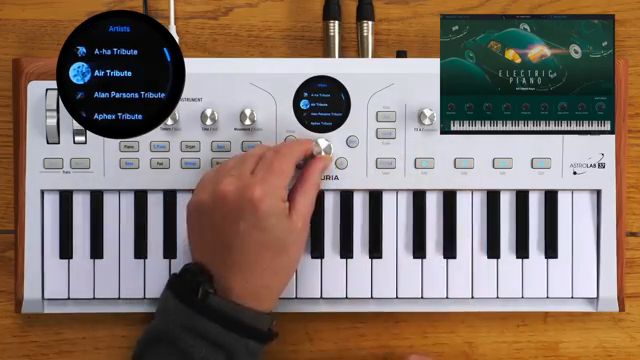
"Hopefully you're getting the idea that there's loads of different ways to access all these tones."
© Screenshot/Quote: Starskycarr (YouTube)
Interface & Performance: Hands-On, No Headaches
The AstroLab 37’s interface is all about getting you to the sound you want, fast. The central screen and menu system let you scroll through thousands of presets by type, instrument, or artist, while quick access buttons and a dedicated playlist mode make gig prep a breeze. You can even set up your own sound banks and playlists for live sets—no more fumbling mid-show.
Performance controls are where this synth shines for live use. Macro knobs, pitch and mod wheels, octave shifts, and instant access to effects mean you can shape your sound in real time without menu-diving. The workflow is streamlined for creativity, not confusion—a rare win for a hardware synth in this price range.
Big vs. Small: Where the AstroLab 37 Stands
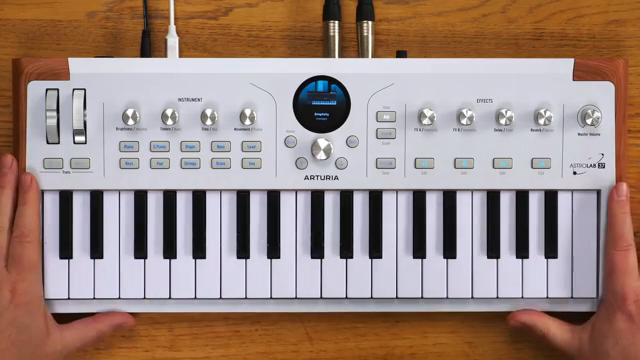
"The big take-home for me is that... if I had this this would be what I'd be taking to be honest."
© Screenshot/Quote: Starskycarr (YouTube)
Starsky doesn’t shy away from comparing the AstroLab 37 to its bigger siblings. You get nearly all the same features and sound engines, just in a tighter package. The main trade-off is the mini keys—if you’re a serious keys player, you’ll want to plug in a full-size controller. But for most producers and live performers, the portability and feature set more than make up for it.
There’s a minor gripe about occasional connectivity hiccups with Analog Lab, but Starsky chalks that up to his overworked computer rather than the synth itself. Bottom line: if you want the V Collection’s firepower in a bag-friendly box, the AstroLab 37 is a serious contender. It’s not just a shrunken sibling—it’s a street weapon in its own right.
This article is also available in German. Read it here: https://synthmagazin.at/starsky-carr-entfesselt-das-astrolab-37-taschenformat-mit-wumms-oder-nur-geschrumpft/
More articles about these products:
 Sineway’s MiniFreak 49: Big Keys, Big Moves, Still a Game Changer?
 Sineway Unleashes the Syntakt 1.40: Sampling, Stacking, and Sonic Mayhem
 Arturia’s AstroLab in Action: Khirye Tyler’s Workflow Weapon for Studio and Stage
 Digitakt II as Your Madcap Studio Mate: Sineway’s ‘Obsidian’ Track Breakdown
 The Midlife Synthesist Unleashes a Portable Powerhouse: MPC Live 3 + Astrolab 37
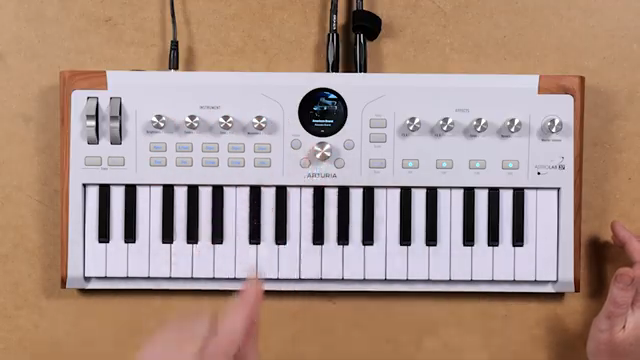 MusicRadar Tech Puts the AstroLab 37 to the Test: Small Keys, Big Moves?
 Molten Music Technology Drops the November Bunker: AI Angst, Gear Mayhem, and Community Raves
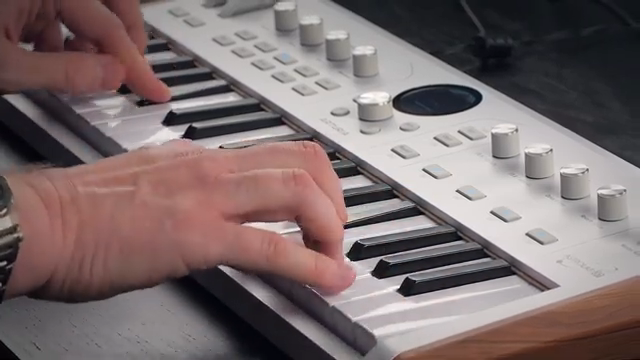 Sineway’s AstroLab 37 Review: The Everything Synth or Just Everything at Once?
 Arturia Astrolab 37: Sanjay C Unleashes a Portable Sonic Street Weapon
 The Midlife Synthesist Shrinks the Studio: Astrolab 37 in the Spotlight
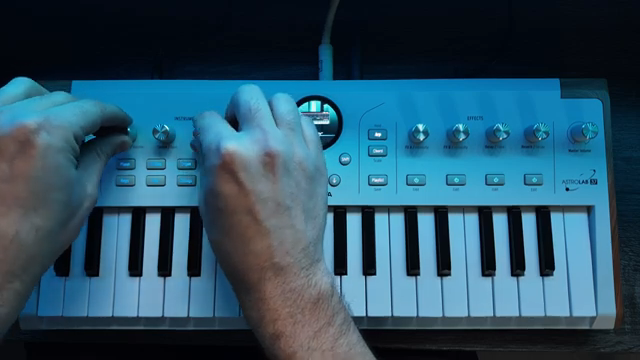 Devin Belanger Unleashes the Arturia Astrolab 37: Tiny Synth, Massive Mayhem
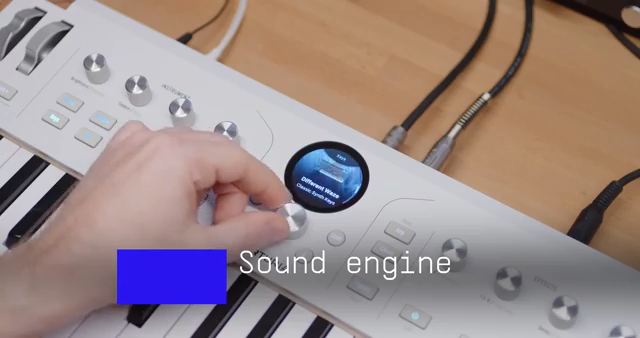 Arturia AstroLab 37: Compact Powerhouse for the Modern Stage
Watch on YouTube:
Latest articles
Watch on YouTube:
Visit the channel:
https://www.youtube.com/StarskyCarr
https://www.youtube.com/StarskyCarr
Links from StarskyCarr:
Patreon: https://patreon.com/starskycarr
Instagram: https://instagram.com/starskycarr
Facebook: https://facebook.com/StarskyCarrOfficial
Sponsored links:
If you purchase via these links, we may earn a small commission – at no extra cost to you. The link opens an Amazon keyword search, and results may vary depending on availability.
Arturia AstroLab 37
🔗 Check price on Amazon
🔗 Check price on Amazon