RolandChannel’s latest episode of Inside Rhythm spotlights the TR-1000 Rhythm Creator in the hands of ambient innovator Nadia Struiwigh. This is not your standard groovebox demo: Nadia’s approach to the TR-1000 is all about recycling sound, layering textures, and bending the machine’s architecture to serve her emotive, genre-fluid vision. The video moves fluidly between hands-on manipulation, performance improvisation, and reflective conversation—offering a rare look at how a digital rhythm instrument can become an expressive tool for ambient sound design. If you’re curious about how digital rhythm machines can be reimagined for deep, atmospheric music, this walkthrough is a must-watch.
15. May 2026
LYRA
RolandChannel’s TR-1000: Nadia Struiwigh’s Ambient Architectures Unveiled
TR-1000: Ambient Foundations and Nadia’s Approach
The Roland TR-1000 is introduced here not as a mere drum machine, but as a versatile rhythm creation tool, particularly suited for ambient explorations. Nadia Struiwigh immediately sets the tone by referencing the machine’s ability to tune environmental sounds—like rain and fire crackling—giving the TR-1000 an ASMR-like, immersive quality. This is a clear departure from traditional rhythm programming, positioning the device as a textural instrument as much as a beatmaker.
Nadia’s workflow is rooted in what she calls the “recycling method,” where she extracts and manipulates timbres from a single sound source to generate pads, textures, and rhythmic elements. The focus is on reusing and transforming audio, rather than relying on a wide palette of unrelated samples. This approach leverages the TR-1000’s sample manipulation capabilities, encouraging users to think beyond preset kits and embrace a more architectural, sound-design-centric mindset.
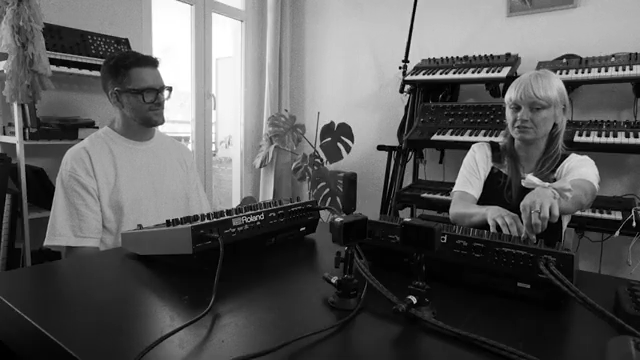
"My way of making ambient is the recycling method."
© Screenshot/Quote: Rolandglobal (YouTube)
Recycling, Layering, and Sculpting Ambient Soundscapes
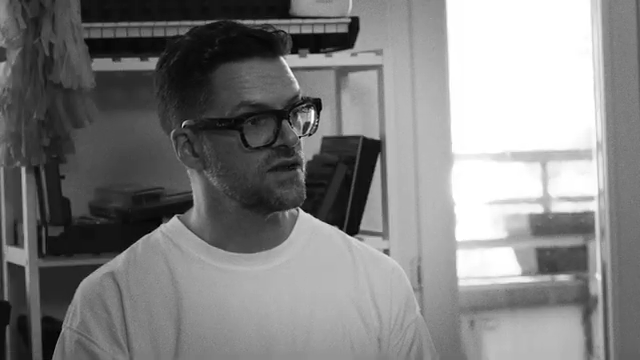
"If you then, of course, put reverb on it or not, you can just decide."
© Screenshot/Quote: Rolandglobal (YouTube)
Nadia demonstrates how she layers textures by combining granular delays with long pads, all derived from the same core sample material. This harmonized layering is achieved by pitching duplicates of the same sound up or down, creating a unified, evolving soundscape. The TR-1000’s ability to process and warp audio in real time is central to this method, allowing for intricate manipulation without ever leaving the box.
Effects play a crucial role in her workflow. By using shift functions to engage reverb and delay, Nadia sculpts tails and spatial depth, choosing whether to apply effects globally or keep the original sample dry for further design. The video highlights the importance of subtle transitions—looping sample segments, playing through full samples, and sequencing with Euclidean patterns to inject movement and unpredictability.
Throughout, Nadia emphasizes that her ambient soundscapes are not static. She constantly adjusts volume, effects, and pitch to keep the textures breathing and emotionally resonant. This dynamic approach is less about programming fixed patterns and more about live, tactile interaction with the TR-1000’s sound engine and interface.
Improvisation and Performance: Building Contrast and Emotion
The video shifts into live performance territory as Nadia improvises with the TR-1000, layering subs, pads, and environmental samples to create contrast and emotional depth. She explains that adding a sub or bass element is key for grounding the soundscape and providing a counterpoint to the airy textures above. This interplay between low and high frequencies is essential for maintaining listener engagement in ambient music.
Nadia’s improvisational workflow is fluid—she transitions between sounds, tunes elements on the fly, and uses the TR-1000’s interface to keep the performance evolving. The result is a living, breathing arrangement where each element can be manipulated in real time. The demonstration underlines how the TR-1000’s architecture supports spontaneous creativity, making it a compelling tool for both studio and live ambient performances.
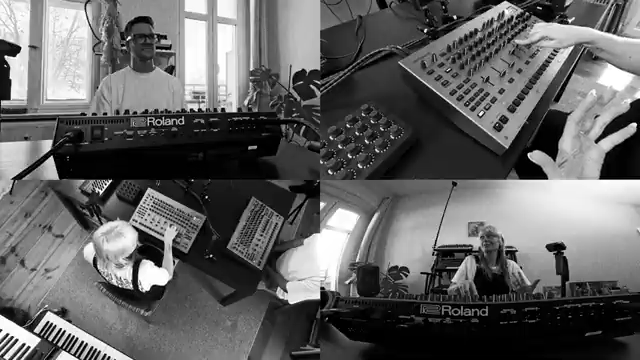
"There's a sub, just to create contrast to the rest of all the elements."
© Screenshot/Quote: Rolandglobal (YouTube)
Genre Fluidity and the Roots of Nadia’s Creative Process
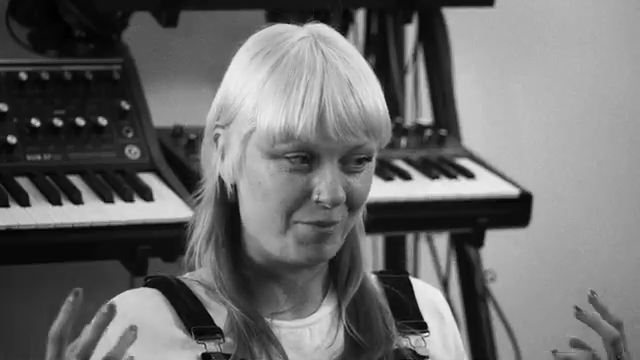
"So it's not about genre at all. It's like, that's more the boxes we have to place ourselves in or label so people understand us better."
© Screenshot/Quote: Rolandglobal (YouTube)
In conversation, Nadia discusses her eclectic musical influences, ranging from Enya and Pink Floyd to early Rotterdam Gabber. She rejects rigid genre boundaries, viewing music as a spectrum of moods rather than a set of boxes. This philosophy is mirrored in her approach to rhythm and sound design—she adapts her tempo and programming style to fit her emotional state, sometimes working in halftime but programming at double speed for creative contrast.
The TR-1000 becomes a vehicle for this genre-fluid mindset, enabling Nadia to move seamlessly between ambient, drum & bass, and other styles. Her willingness to improvise and embrace unpredictability is presented as a core strength, with the TR-1000’s flexible sequencing and sound manipulation tools supporting her boundary-pushing workflow.
Personal Journey: Technology, Family, and Rhythmic Architecture
Nadia’s personal journey with music technology is woven throughout the video, culminating in a reflection on her upbringing surrounded by gadgets and her father’s influence as a tech enthusiast. She describes a natural progression from gaming and coding to music production, drawing parallels between architectural thinking and rhythmic construction. This background informs her methodical yet playful approach to the TR-1000, where patterns, structures, and textures are all part of the same creative process.
The segment closes with Nadia acknowledging the emotional resonance of her work and the lasting impact of her family’s technological curiosity. The TR-1000, in this context, is not just a tool but a conduit for personal expression, shaped by a lifetime of exploring the intersections between technology, rhythm, and emotion.
This article is also available in German. Read it here: https://synthmagazin.at/rolandchannel-und-die-tr-1000-nadia-struiwighs-ambient-architekturen-enthuellt/
More articles about these products:
 RolandChannel’s TR-1000: FJAAK’s Techno Workflow Unpacked
 Alex Ball’s Drum Synth Odyssey: From UFO Pads to Modern Mayhem
 RolandChannel Pushes the TR-1000 Further: Version 1.20’s Digital Architecture Unpacked
 Liam Killen Throws Down: TR-1000 vs TR-8S – Which Drum Machine Rules the Rave Bunker?
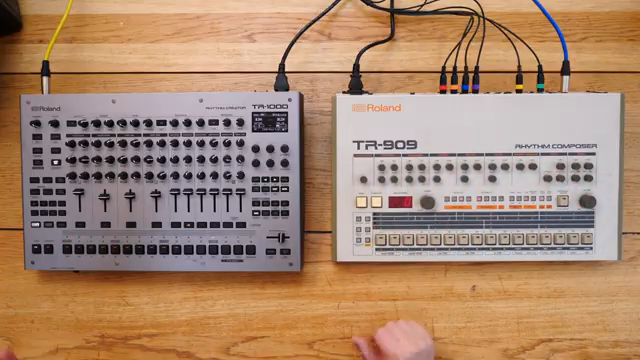 Starsky Carr Throws Down: TR-1000 vs TR-909 – The Real Drum Machine Face-Off
 AudioPilz Dishes the Dirt: What Your Synth REALLY Says About You
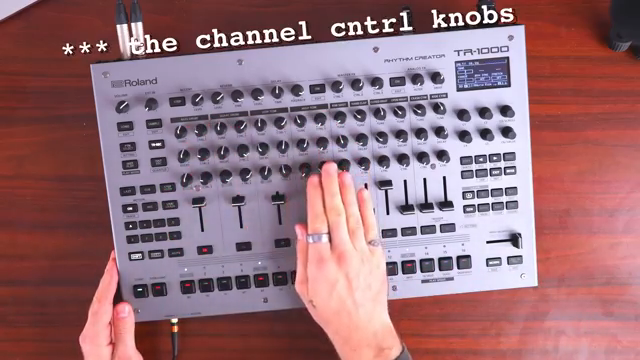 Liam Killen’s TR-1000: Three Months in the Drum Matrix
 Bonedo Synthesizers Unleash the Roland TR-1000: Analog Thunder Returns
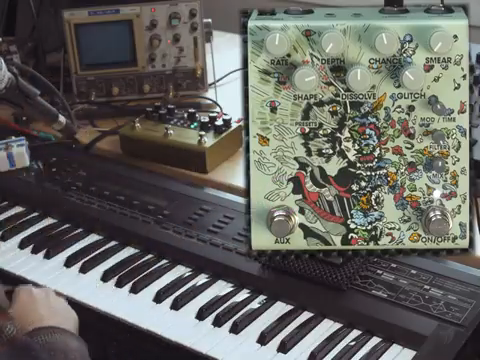 Jorb Twists the OBNE Parting: Glitch, Grit, and Lo-Fi Mayhem
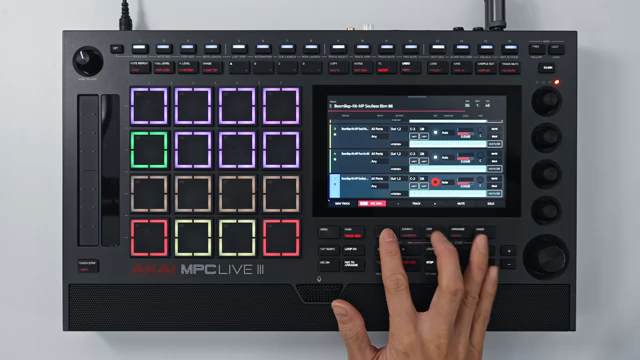 Andrew Huang’s 2025 Gear Picks: Grooveboxes, Glitch and Gearhead Gold
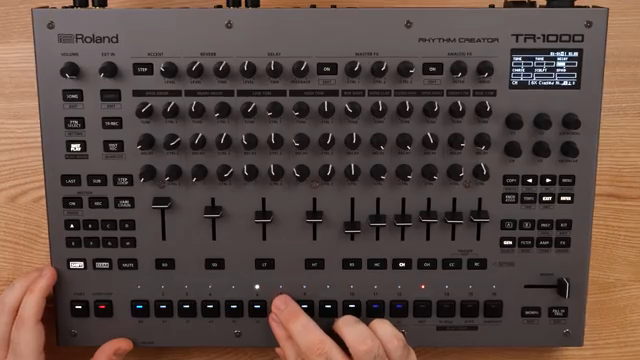 Geo Beats: Jon Makes Magic with the Roland TR-1000
 SanjayC’s Top Gear Picks for 2025
Watch on YouTube:
Latest articles
Watch on YouTube:
Visit the channel:
https://www.youtube.com/rolandglobal
https://www.youtube.com/rolandglobal
Links from rolandglobal:
website: https://www.roland.com
roland_cloud: https://www.roland.com/global/promos/about_roland_cloud
instagram: https://instagram.com/rolandglobal
Sponsored links:
If you purchase via these links, we may earn a small commission – at no extra cost to you. The link opens an Amazon keyword search, and results may vary depending on availability.
Roland TR-1000
🔗 Check price on Amazon
🔗 Check price on Amazon