Ever wondered why your ancient groovebox needs a backup strategy worthy of a rave bunker? Nu-Trix The Synth Guy dives headfirst into the chaotic evolution of synth memory—from scribbled patch sheets to SysEx dumps that could melt your DAW. Expect nostalgia, hard truths, and a compact but punchy tour through decades of sound-saving mischief. If you’ve ever feared losing your bangers to a dead battery or a dodgy SD card, this is your mandatory crash course—minus the fluffy history lesson.
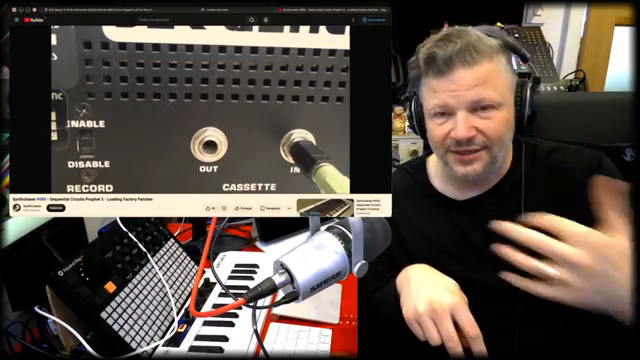
16. October 2026
SPARKY
Nu-Trix The Synth Guy Schools Us: The Wild Ride of Synth Memory Management
Arturia MicroFreak, Arturia MiniFreak, Moog DFAM, Peavey rack mount synthesizer, Polyend Play Plus, Prophet 5, Roland JV-2080, Roland VP-9000, Yamaha DX7
From Bunkers to Backups: The Synth Memory Odyssey
Nu-Trix The Synth Guy isn’t here to bore you with museum pieces—he’s pulling you into the trenches of synth memory survival, where every knob twist and patch is worth its weight in gold (or at least, in lost weekends). Kicking off with his decision to sell the Polyend Play Plus, Nu-Trix uses it as a springboard to unpack the mess and magic of storing sounds over the decades. If you’ve ever panicked about losing a killer patch, you’re not alone—this is a universal trauma for hardware heads.
Nu-Trix’s journey is a fast-paced timeline: decades of gear, stacks of backup tricks, and a parade of obsolete storage standards. He’s not just reminiscing—he’s laying out the good, the bad, and the battery-fail ugly. This isn’t just nostalgia; it’s a warning for anyone who thinks their new box is future-proof. Spoiler: it isn’t, and Nu-Trix is here to show you why.
Patch Sheets: When Paper Ruled the Rave
Back before RAM chips and SD cards, synth heads wielded pens and templates like sonic archaeologists. Nu-Trix spotlights the era when saving a sound meant sketching knob positions and scribbling patch notes on paper sheets—sometimes still the only way with modern analog and modular gear. You’d end up with a stack of dog-eared patch sheets, each one a ticket back to your last sonic breakthrough. Old school? Sure. Effective? Only if you never lose your notebook in a club toilet.
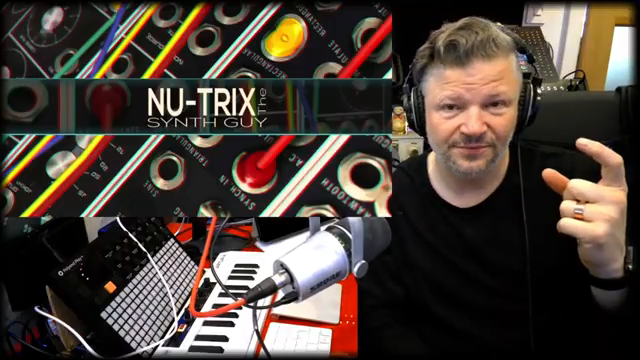
"The first type of backup was basically paper and sheets, something like paper and sheets, something that we still see today."
© Screenshot/Quote: Nu Trix (YouTube)
Tape Hiss and Cartridges: The Age of Analog Anxiety
"You would have just noises that would represent in an analog way, zeros and ones."
© Screenshot/Quote: Nu Trix (YouTube)
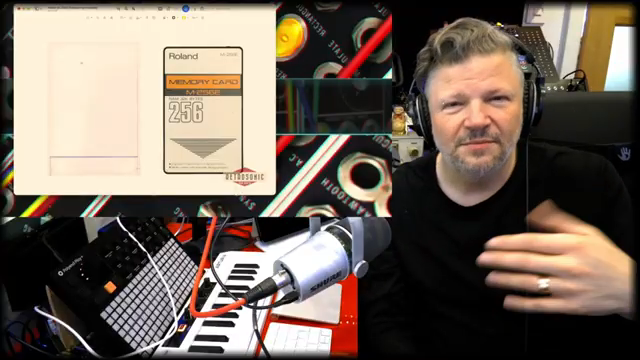
Enter the Prophet 5 and the glorious mess of cassette backups. Nu-Trix lays out how patches were dumped to tape as squelchy noise—a method as charming as it was hair-raising. Forget plug-and-play: you’d pray the volume wasn’t too hot or too cold, or your precious sounds would vanish into the ether. And let’s not talk about the horror of a dead RAM battery mid-tour—one jolt, and your sound bank’s gone. Legendary synths like the DX7 and JV-2080 upped the game with cartridges and memory cards, giving musicians a taste of digital convenience (and new things to lose at the gig).
These hardware media brought their own quirks—batteries that died, cards that vanished, and proprietary formats that aged about as well as supermarket sushi. Still, it was progress. Nu-Trix’s tour of these methods makes it clear: every era had its own way to keep you sweating over your backups.
SysEx: The Sonic Lifeboat
Just when you thought you’d seen every backup headache, MIDI System Exclusive (SysEx) arrived—finally, a way to dump entire banks over MIDI, device by device. Nu-Trix explains how SysEx became the great equaliser, letting you safeguard your sounds using editors and librarians like MIDI Quest. It’s not always plug-and-play: every device speaks its own dialect, and the process can be slow as a dial-up modem. But for synth nerds, it’s the closest thing to a universal backup spell.
He’s quick to point out that modern conveniences—USB storage, SD cards, factory editors—are still at the mercy of company support and software updates. One day, your favourite editor will be abandoned, and you’ll be back to praying for a SysEx dump. If you want to see the nitty-gritty of SysEx transfers and DAW trickery, you’ll have to watch the video. Trust me, it’s better experienced than explained.
"MIDI add a special section in it called the system exclusive, and it's basically exclusive to one device."
© Screenshot/Quote: Nu Trix (YouTube)
Backup Wisdom: So You Don’t Lose Your Bangers
Nu-Trix wraps up with a blunt message: knowing your backup history is essential if you want your sounds to survive the next decade—or even the next firmware update. Whether you’re rocking vintage analog or the latest groovebox, it pays to understand how to archive your creations. Take it from someone who’s seen every backup method under the sun: don’t trust your best patches to a single battery or a flaky SD card.
This article is also available in German. Read it here: https://synthmagazin.at/nu-trix-the-synth-guy-erklaert-die-wilde-reise-des-synth-speichermanagements/
More articles about these products:
 Noisegate & Luke Million: Synths That Shook the Stage (and Your Nan’s China Cabinet)
 once upon a synth Goes Dawless: Techno Tactics for the Hardware-Obsessed
 Bloom Music Turns the Minifreak Into a Sonic Street Weapon
 AudioPilz Declares Synth War: Who’s the Real Heavyweight Champion?
 Arturia’s Digital Palette: Kaitlyn Aurelia Smith Crafts with Rev OCEAN, MiniFreak & KeyStep
 The Unperson Unleashes the MiniFreak 5.0 Update: Sample Mayhem and Wavetable Chaos
 David Hilowitz Music Unleashes the FM-1: DX7 Vibes for Pocket Money
 Devin Belanger vs. The Laptop: Why Hardware Synths Still Rule
 A Studio of Sonic Memory: synth4ever Journeys through Devin Belanger’s Ambient Sanctuary
 Andrew Huang’s Remix Rodeo: Four Producers, One Song, Total Mayhem
 Daniele Ippolito Illuminates the Shadows of a-ha’s ‘Scoundrel Days’
 Alexander Spree Blasts Hardtechno with DFAM & Neutron: Minimal Gear, Maximum Mayhem
Watch on YouTube:
Latest articles
Watch on YouTube:
Visit the channel:
https://www.youtube.com/Nu-trix
https://www.youtube.com/Nu-trix
Links from Nu-trix:
website: https://www.nu-trix.com
facebook: https://www.facebook.com/nutrixmtl
instagram: https://www.instagram.com/nutrixsynthguy
twitter: https://twitter.com/nutrixmtl
patreon: https://www.patreon.com/nutrix
Sponsored links:
If you purchase via these links, we may earn a small commission – at no extra cost to you. The link opens an Amazon keyword search, and results may vary depending on availability.
Arturia MicroFreak
🔗 Check price on Amazon
🔗 Check price on Amazon
Arturia MiniFreak
🔗 Check price on Amazon
🔗 Check price on Amazon
Moog DFAM
🔗 Check price on Amazon
🔗 Check price on Amazon
Peavey rack mount synthesizer
🔗 Check price on Amazon
🔗 Check price on Amazon
Polyend Play Plus
🔗 Check price on Amazon
🔗 Check price on Amazon
Prophet 5
🔗 Check price on Amazon
🔗 Check price on Amazon
Roland JV-2080
🔗 Check price on Amazon
🔗 Check price on Amazon
Roland VP-9000
🔗 Check price on Amazon
🔗 Check price on Amazon
Yamaha DX7
🔗 Check price on Amazon
🔗 Check price on Amazon