CROW HILL is at it again, this time unearthing filthy sub-bass goodness straight from the guts of a Hammond organ pedalboard. Forget your stale presets—this vault packs pure, rich tones with a percussive twist, ready to shake your next track. If your DAW needs a new secret sauce, you might want to dive in. Spoiler: this is no polite church organ; it’s a rave bunker in plugin form.
3. October 2026
SPARKY
CROW HILL Drops Deep: Hammond Pedal Bass as Free Sonic Weapon
Bass from the Bunker
The latest CROW HILL vault opens with a promise: sub-bass tones yanked straight from a Hammond organ pedalboard, not your average sample pack. Right out the gate, you know this isn’t about polite, buttoned-up church sounds—it’s about that full-bodied, unapologetic low-end that could flatten a cottage wall. Don’t let the word “organ” fool you; these subs don’t mess around. If you’re after foundation-rattling bass with a bit of historical grit, this vault is already ticking the boxes.
Percussive Spice: The Hammond Secret
What lifts these samples above the pack is the percussive snap layered on top of the organ’s ancient rumble. The Hammond’s notorious touch response percussion is more than just a gimmick—it’s the reason this instrument became a street weapon in the first place. You get a thick, aggressive attack that slices through the mix, making this sound pack feel less like a polite church organ and more like a synth-fuelled toaster-fight.
CROW HILL isn’t just slapping a filter on and calling it a day. With that “Perkverb” layer, courtesy of the Leslie cabinet and a custom spring reverb, you get a blend of warmth and bite that’s hard to fake. Toss in the low-pass filter for sculpting, and suddenly you’re morphing from classic Hammond to ambiguous synth territory. It’s a Frankenstein’s monster of tone, and honestly, it slaps harder than most paid plugins.
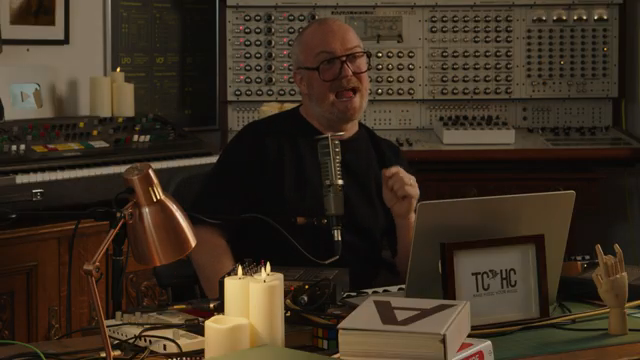
"Well, it was the introduction of this touch response percussion that gave the Hammond its aggressiveness and led, many would say, to its huge success."
© Screenshot/Quote: Thecrowhillco (YouTube)
Legendary Roots: From Clockmaker to Club Floor
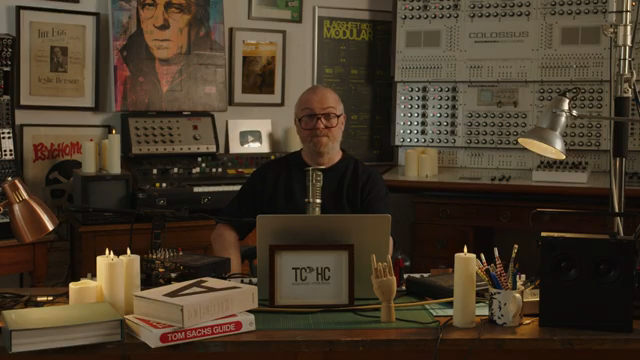
"But it wasn't until the introduction of the model B in 1954 that things really took off."
© Screenshot/Quote: Thecrowhillco (YouTube)
The backstory here is as mad as the sounds themselves. Turns out the Hammond wasn’t born in a studio but from the mind of a Depression-era clockmaker—magnets, cogs, and a dream to undercut pipe organs. Fast-forward to the Model B, and suddenly two million of these beasts are lurking in churches and clubs alike. The B3’s arrival brought touch response percussion, transforming the Hammond from background filler to headline act.
CROW HILL gives a nod to the Hammond’s evolution, reminding us that the punchy pedal bass and percussive fire didn’t just happen—they were engineered for impact. No surprise then that legends like Jimmy Smith turned this “organ” into a multi-limbed rhythm machine. This isn’t nostalgia for nostalgia’s sake; it’s a reminder that real groove lives in the details. And for those who want the full story (and all the glorious sound), the original video’s got more than words can deliver.
Sub Tones for Any Session
CROW HILL wraps it up with a challenge: grab these sounds, throw them at your tracks, and see what happens. The ambiguous, percussive arpeggios and monster sub-bass aren’t just for church gigs—they’re primed for any context, from grime bangers to leftfield electronica. If you want to know how deep the rabbit hole goes, you’ll need to dive into the vault yourself. Trust me, your DAW will thank you.
This article is also available in German. Read it here: https://synthmagazin.de/crow-hill-liefert-ab-hammond-pedal-bass-als-kostenloses-klanggeheimnis/
Watch on YouTube:
Latest articles
Watch on YouTube:
Visit the channel:
https://www.youtube.com/TheCrowHillCo
https://www.youtube.com/TheCrowHillCo
Links from TheCrowHillCo:
Website: https://thecrowhillcompany.com
Socials: https://linktr.ee/thecrowhillcompany
Podcast & Extras: https://youtube.com/@crowhillxtras
Facebook: https://facebook.com/TheCrowHillCompany/
Instagram: https://www.instagram.com/thecrowhillcompany
Sponsored links:
If you purchase via these links, we may earn a small commission – at no extra cost to you. The link opens an Amazon keyword search, and results may vary depending on availability.
Hammond Organ Model B
🔗 Check price on Amazon
🔗 Check price on Amazon
Leslie Cabinet
🔗 Check price on Amazon
🔗 Check price on Amazon