The fog lifts, and we wander through KETTAMA’s memory-soaked soundscape under Bthelick’s guiding hand. In this video, dance music’s hidden architecture is revealed: chords flutter like moths around a dim bulb, drone tones shimmer as sonic ghosts, and every sampled texture ripples with nostalgia. This isn’t just a breakdown—it’s an invitation to drift inside the emotional core of modern club music, where every note is a story half-remembered and every effect leaves a fingerprint on the air.
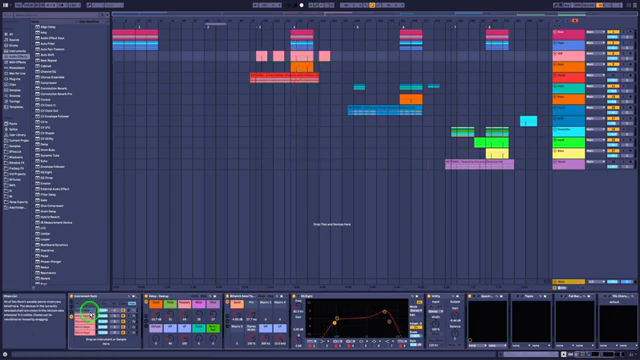
6. September 2026
LUMINA
Chords Like Vapor: Bthelick Illuminates KETTAMA’s Sonic Spell
Ableton, FL Studio, Microkeys by Meatbeats, OrilRiver by Denis Tyhanov, Variety of Sound EpicVerb
Progressions in the Mist
KETTAMA’s tracks move like clouds at dusk—shifting, unresolved, yet undeniably magnetic. Bthelick traces these movements, focusing first on the “If You Want My Heart” progression: a 6-1-3-6 loop in B minor, subtly detuned, where the relationship between harmony and nostalgia is palpable. The use of drone notes and clever omissions in voicings crafts a sense of longing; extensions and inversions carve out emotional space, letting each chord breathe and mourn, especially when a single note is suspended and withheld before returning to anchor the listener.
Throughout these explorations, we see how minor keys and melodic movement intertwine—especially the recurring leap from chord three to chord six, which glimmers with bittersweet energy. Bthelick reveals that KETTAMA’s chord choices are less about technical bravado and more about evoking a memory half-lost: the feeling of being just out of reach of the tonic, hovering in the blue hour between hope and recollection.
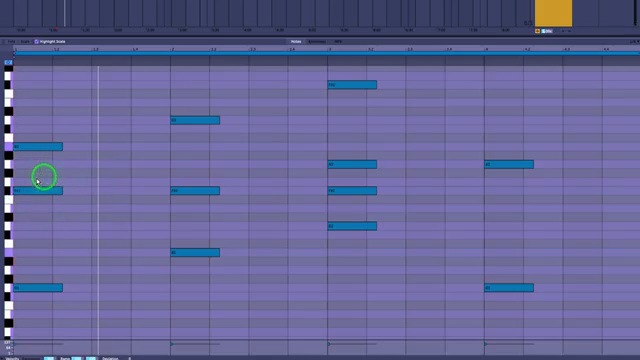
"That F sharp, that major seven on chord six, is an extremely nostalgic sounding note."
© Screenshot/Quote: Bthelick (YouTube)
Echoes of Nostalgia: Sound Design Secrets
"This one is nothing too crazy, as soon as I heard it I was thinking cheap rompler strings."
© Screenshot/Quote: Bthelick (YouTube)
Sound here is not decoration—it’s the very fog in which these chords drift. Bthelick uncovers the recipe: detuned saw waves, layers of noise, and reverbs that feel more like haunted rooms than digital algorithms. It’s not about pristine fidelity; instead, the reverb and delay choices conjure bedrooms and basements, not cathedral grandeur. Even the tuning is askew, instruments nudged forty cents flat to recall the imperfect warmth of tape or vinyl.
For each layer, there’s intent: a square wave lead, ring-modulated for grit; rompler strings stacked, detuned, and layered until they blur into memory; and effects that muffle and age the signal. Bthelick’s approach is tactile, each sonic choice a brushstroke that colors the emotional terrain. This is not sterile sound design, but the kind that lets listeners wander through their own nostalgia, guided by echoes and spectral tails.
Drone Tones and Harmonic Ghosts
Underneath the surface, drone tones act like magnetic fields, binding the shifting chords into a shimmering haze. Bthelick highlights how KETTAMA’s use of constant notes—especially fifths and sevenths—creates a sense of stasis within movement, as if the music were both traveling and standing still. In “It Gets Better,” a single note (the fifth) persists, weaving through the harmony and extending into the listener’s subconscious, while in “Yosemite,” entire stacks of drone and extension notes tangle together, forming polychords that float above the root like spectral visitors.
Extensions—ninths, elevenths, suspended seconds—are not technical embellishments here, but the sonic ghosts that haunt the melody. Sometimes these layers clash or blur, their overtones smudging the edges of the chords, and it’s in this harmonic fog that the emotional resonance intensifies. This is music that understands that memory is never sharp-edged, and that the heart of nostalgia lies in those unresolved spaces.
Sampling as Collage: KETTAMA’s Sonic Palette
Sampling here is not theft—it’s collage, a layering of time and texture. Bthelick demonstrates how KETTAMA’s tracks often begin not as programmed progressions, but as fragments lifted and transformed: samples are chopped, pitch-shifted, and formant-warped, their origins blurred until they become new sonic artifacts. The telltale ‘chipmunk effect’ and shifting formants hint at samples’ prior lives, while spectral matching and EQ shape them into the present moment.
This technique isn’t just about convenience; it’s about harnessing the accidental beauty of sampled material—formant shifts, harmonic clusters, and the unpredictable grit of noise. Even when the source is unrecognizable, its character lingers, contributing to the track’s atmosphere like faded photographs in a scrapbook. Bthelick’s analysis reveals that KETTAMA’s magic lies as much in curating and transforming these fragments as in composing from scratch, turning the act of sampling into an emotional act.
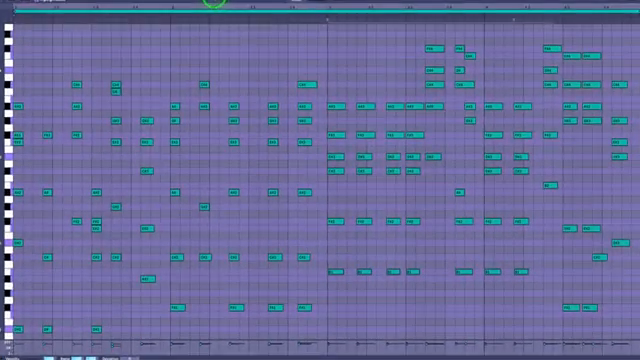
"I'm hearing a lot of formant shifting, you know the chipmunk effect, when someone pitches a voice up."
© Screenshot/Quote: Bthelick (YouTube)
Experience the Haze
Words may trace the outlines, but the real resonance of KETTAMA’s palette can only be felt by inhabiting the sound. Bthelick’s video offers not just explanations, but a window into the tactile world of club nostalgia: a space where chords drift, memories blur, and each echo leaves a lingering shadow. To truly sense how these elements intermingle and ignite, you must let the music fill the room—let it become the fog through which your own stories flicker.
This article is also available in German. Read it here: https://synthmagazin.at/akkorde-wie-nebel-bthelick-enthuellt-kettamas-klangmagischen-zauber/
More articles about these products:
 Bthelick Layers Up: No Theory, All Vibe – Sampling Like Kettama
 Rapid Flow’s One-Hour Track Cookup: MIDI Mayhem and Real-Time Grooves
 Jon Makes Beats Turns Yoshi’s Island Into a Banger—Eggward on the SNES Sauce
 Jon Makes Beats & Dawson: FL Studio Gets a Streetwise Upgrade
 Bthelick vs. The Polished Crowd: When Grit Wins
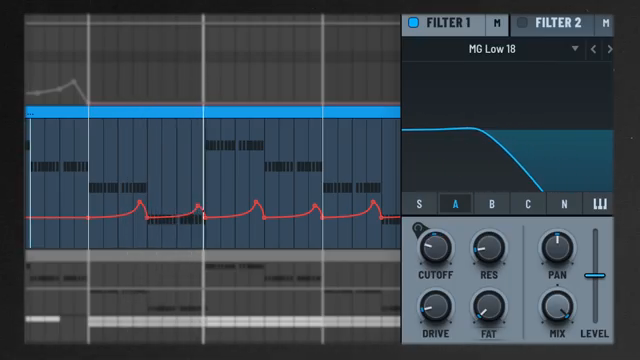 TheCosmicAcademy Drops the Real Reason Your Tracks Are Stuck at 80%
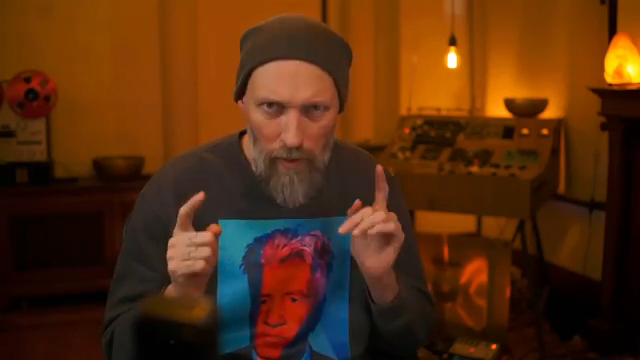 Lodewijk Vos (LØ): Navigating the DAW Nebula – A Composer’s Sonic Cartography
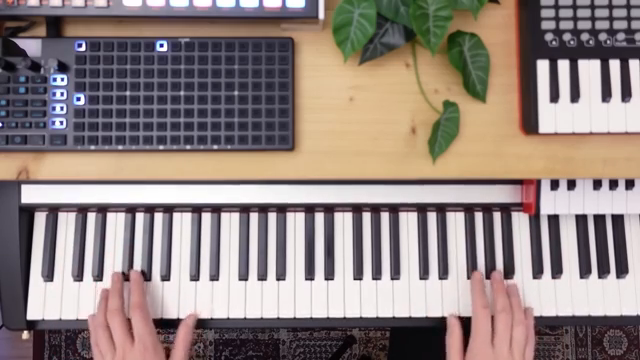 Monotrail Tech Talk Throws Down: Five Days, One Modular Track, No Nonsense
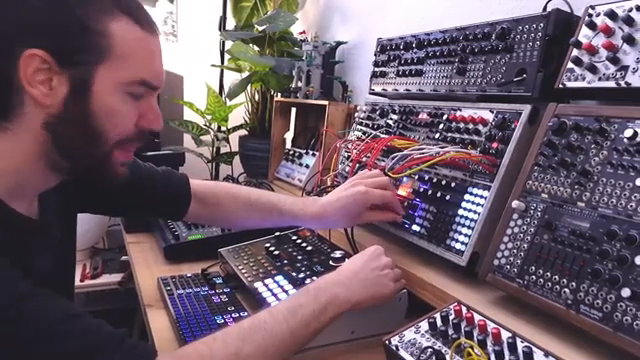 Monotrail Tech Talk: DAW to Modular – No More Crappy Sequences
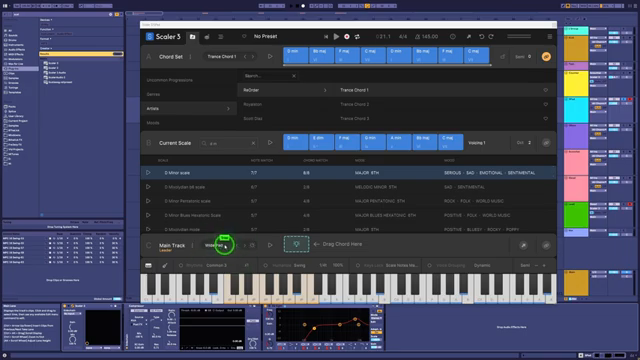 Bthelick vs. Scaler 3.2: When Chords Meet Club Floors
 Bolo Da Producer’s MPC Odyssey: From Crusty Pads to Platinum Beats
 BoloDaProducer Drops Knowledge Bombs with FL Studio
Watch on YouTube:
Latest articles
Watch on YouTube:
Visit the channel:
https://www.youtube.com/Bthelick
https://www.youtube.com/Bthelick
Links from Bthelick:
Instagram: https://instagram.com/bthelickmusic
SoundCloud: https://soundcloud.com/bthelick
Ko-Fi: https://ko-fi.com/bthelick
facebook: https://facebook.com/bthelick
Twitter: https://twitter.com/BtheLick
Sponsored links:
If you purchase via these links, we may earn a small commission – at no extra cost to you. The link opens an Amazon keyword search, and results may vary depending on availability.
Ableton
🔗 Check price on Amazon
🔗 Check price on Amazon
FL Studio
🔗 Check price on Amazon
🔗 Check price on Amazon
Microkeys by Meatbeats
🔗 Check price on Amazon
🔗 Check price on Amazon
OrilRiver by Denis Tyhanov
🔗 Check price on Amazon
🔗 Check price on Amazon
Variety of Sound EpicVerb
🔗 Check price on Amazon
🔗 Check price on Amazon