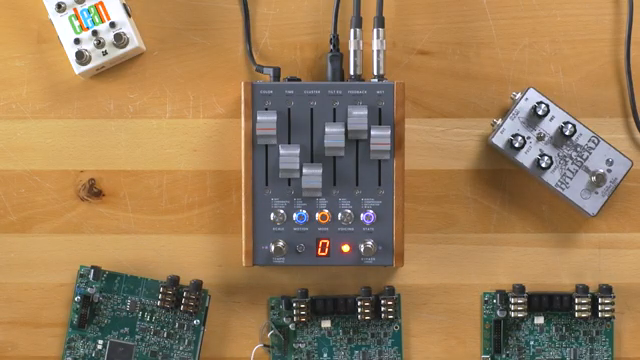
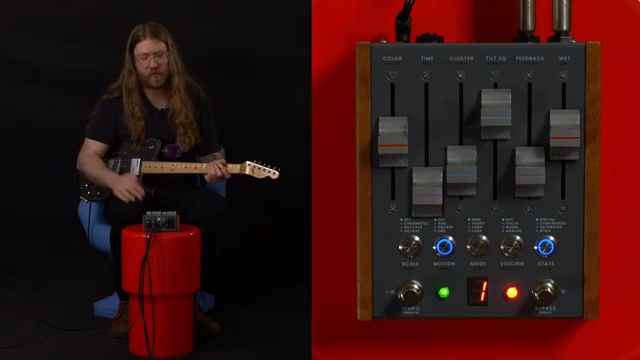
Chase Bliss, known for their playful yet deeply technical approach to effects, present Big Time—a delay pedal that’s more than just repeats. In this official walkthrough, the team dives into the pedal’s multi-layered architecture, blending 80s rack-inspired digital delay with analog-style preamps, matrix mixing, and a host of modulation and sequencing tricks. The video walks through Big Time’s unique sound-shaping tools, from voltage-controlled mixing to bias-driven crunch, and explores how these features interact in a real-world signal chain. If you’re after a delay that morphs from pristine to broken and everything in between, this is a pedal worth a closer listen.
1. May 2026
MILES
Chase Bliss Big Time: Delay, Character, and Creative Control in One Box
Big Time: Delay and Beyond
Chase Bliss introduces Big Time as a delay pedal, but the walkthrough quickly makes clear that it’s much more than a simple echo box. Drawing inspiration from the quirks and coloration of 80s rack units, the creators have built a device that not only stores and repeats sound, but also shapes and enhances it in ways reminiscent of classic studio gear. The video highlights how the imperfections and sonic artifacts of early digital delays were often tamed or enhanced by preamps, compressors, and filters, and Big Time brings these elements into the fold for a richer, more characterful delay experience.
This isn’t just about nostalgia. The approach is to remix those vintage ideas with modern lessons learned from the Chase Bliss catalogue, resulting in a pedal that’s as much about creative sound manipulation as it is about traditional delay duties. From the outset, it’s clear that Big Time aims to be a versatile tool for musicians who want their delay to do more than just repeat notes—it’s about sculpting the entire signal path.
Matrix Mixer, Preamp, and the Art of Bias
The heart of Big Time’s signal path is a voltage-controlled 4×2 matrix mixer at the input of the delay line. This mixer, borrowed from the technology behind Chase Bliss’s Clean pedal, allows for dynamic routing and even compression effects, opening up a playground for automation and nuanced control. The walkthrough demonstrates how this matrix interacts with a variable bias circuit, letting users dial in everything from subtle asymmetry to outright broken, gated textures. The interplay between these controls is a highlight, offering unexpected sonic destinations and a sense of unpredictability that modular enthusiasts will appreciate.
The preamp section is another standout, designed as a fully stereo circuit with a +12 dB boost switch for extra gain. It’s not just a guitar dirt box—the creators emphasise its suitability for synths, drum machines, and studio applications, likening it more to a studio saturator than a typical pedal overdrive. The preamp’s coloration, saturation, and volume boost all interact with downstream processes, setting the stage for the delay and modulation sections. The voicing control applies a global filter, while the Tilt EQ shapes only the repeats, giving further control over the pedal’s tonal footprint.
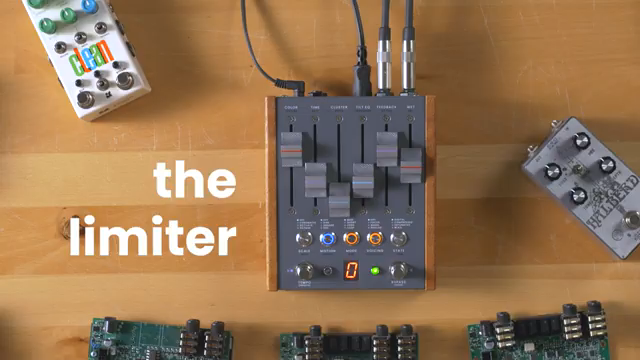
"At the input of the delay line, there is a 4x2 matrix mixer."
© Screenshot/Quote: Chaseblissaudio (YouTube)
Modulation, Sequencing, and the Looper: Expanding the Palette
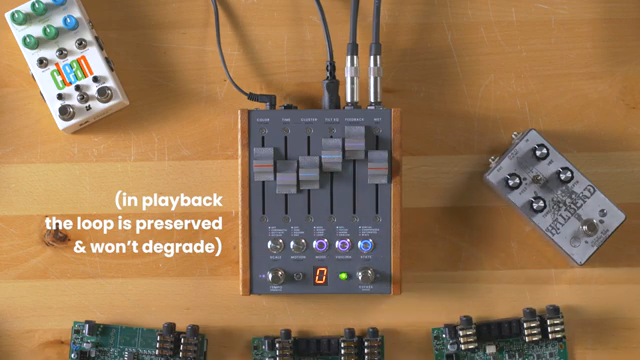
"When we're overdubbing, the whole pedal is active."
© Screenshot/Quote: Chaseblissaudio (YouTube)
Big Time’s creative arsenal is expanded through its modulation and sequencing features. Modulation parameters such as rate and depth are accessed via an alternate menu, entered by holding the shift button. This alt menu approach allows for quick toggling between primary and secondary settings, making it easy to dial in movement and texture on the fly. The walkthrough shows how these modulation options can be used to animate delays, from gentle warble to more extreme pitch and time variations.
Sequencing and the looper function further broaden the pedal’s capabilities. The cluster slider introduces multiple delay heads, gradually morphing from simple doubling to complex, washy textures as more heads are added and modulated. The looper operates with the full signal path active during overdubbing, meaning all the pedal’s effects—including feedback and saturation—are in play. Once overdubbing ends, the loop is locked in place with DSP feedback, preserving it indefinitely without further degradation. This setup encourages experimental layering and the creation of evolving soundscapes.
Delay Time, Artifacts, and Adaptability
Big Time isn’t shy about its digital heritage. The 0.5x mode halves the clock speed, doubling the available delay time while introducing classic digital artifacts and reducing bandwidth and bit depth. This nod to vintage digital units is presented as a deliberate creative choice, allowing users to embrace the flaws and quirks of early delay technology. The pedal also includes a deeper configuration menu for advanced settings, as well as support for tap tempo, MIDI, diffusion, and presets, making it adaptable to a wide range of setups and musical styles. The walkthrough closes with an invitation to explore, suggesting that Big Time is designed to reward curiosity and experimentation as much as precise timing.
This article is also available in German. Read it here: https://synthmagazin.at/chase-bliss-big-time-delay-charakter-und-kreative-kontrolle-in-einem-geraet/
More articles about these products:
Watch on YouTube:
Latest articles
Watch on YouTube:
Visit the channel:
https://www.youtube.com/ChaseBlissAudio
https://www.youtube.com/ChaseBlissAudio
Links from ChaseBlissAudio:
website: https://www.chasebliss.com
instagram: https://www.instagram.com/chasebliss
facebook: https://www.facebook.com/chasebliss
twitter: https://twitter.com/chaseblissaudio
discord: https://discord.gg/chasebliss
Sponsored links:
If you purchase via these links, we may earn a small commission – at no extra cost to you. The link opens an Amazon keyword search, and results may vary depending on availability.
Chase Bliss Big Time
🔗 Check price on Amazon
🔗 Check price on Amazon