AudioPilz is back, this time poking the Behringer bear with their CZ-1—a synth that’s equal parts nostalgia trip and legal minefield. If you’ve ever wondered what happens when Casio’s 80s phase distortion gets squeezed into a Volca-sized box and sprinkled with analog filter fairy dust, you’re in for a treat (or a migraine). Expect biting humour, brutal honesty, and enough cheese to clog your signal path. AudioPilz’s signature irreverence slices through the hype, so if you want the unvarnished truth about this synth’s quirks and compromises, grab a pint and read on.
25. April 2026
JET
AudioPilz vs. Behringer CZ-1: Cheese, Lawsuits, and Phase Distortion Mayhem
Behringer’s CZ-1: A Nostalgic Punch-Up
AudioPilz kicks things off by dragging the Behringer CZ-1 into the Bad Gear ring, gloves off and tongue firmly in cheek. This isn’t just another clone—it’s a pint-sized homage to Casio’s 80s phase distortion synths, with all the baggage and controversy you’d expect from Behringer. The creator’s been cheekily asking for this very box for years, and now that it’s landed, he’s ready to see if it’s a proper contender or just another synth-shaped paperweight.
From the get-go, the CZ-1 is ticking the right boxes: organs that reek of stale pub carpets, string sounds that could soundtrack a dodgy 80s soap, and bass that’s more shredded than a punk’s leather jacket. But nostalgia’s a double-edged sword, and AudioPilz wastes no time highlighting the whiff of cheese and the whiff of legal risk. This synth is here to stir the pot, not just warm up old leftovers.
Features, Flaws, and Fiddly Bits
Diving under the CZ-1’s hood, AudioPilz lays out the good, the bad, and the downright nerdy. You get phase distortion at its core—the awkward cousin of FM synthesis—plus a handful of digital waveforms that can be mangled and stitched together like a DIY haircut after a night out. But don’t expect a faithful Casio resurrection: polyphony’s been chopped down to three voices, and the envelopes are about as tight as a pair of 80s jeans after Christmas.
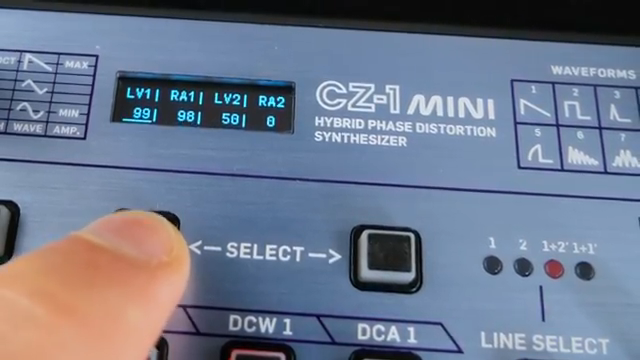
Menu diving is the name of the game, with some features buried deeper than your dignity after a night at Fabric. There’s an analog filter and chorus thrown in, which is a nice touch, but the UI is a cryptic maze and the envelopes are sloppier than a kebab at 3am. If you’re after the punch and snap of the originals, you’ll need to work for it—or just accept a bit of sonic flab.

"As we are talking about similarities and differences to Casio's guilty 80s pleasures, no, it is not an authentic reproduction."
© Screenshot/Quote: Audiopilz (YouTube)
Modern Mashups and Vintage Quirks

"The overall tabra seems to be more shrill in the highs and a little muffled in the bass region with clearly audible aliasing."
© Screenshot/Quote: Audiopilz (YouTube)
AudioPilz lines up the CZ-1 against its Casio ancestors, and the differences are as clear as the divide between a proper pub and a chain bar. While Behringer’s box borrows the spirit of the originals, it’s not a one-to-one clone. The analog filter is a modern twist, letting you sculpt the sound in ways Casio never dreamed of, but it’s also a crutch for the synth’s weaker points—like those lazy envelopes and a timbre that’s shrill up top and muddy down below.
There are workarounds: crank the global DCW parameter, lean on the filter, and you can get something usable, if not exactly authentic. But the overall vibe is more “tribute band at a wedding” than “original headliner.” AudioPilz doesn’t let Behringer off the hook, pointing out the aliasing and the fact that some of the quirks are more hassle than charm. If you want a forensic breakdown, he even recommends checking out Keen on Keys for the full science lesson.
Cheese, Menus, and the Joy of FX: Performance Time
Now for the real test: how does the CZ-1 sound when you actually play the bloody thing? AudioPilz throws it into a couple of jams, wringing out its presets and pushing the filter to see if it can cut through the mix. The results? The patches are about as exciting as a wet weekend in Blackpool, but with enough effects, they sit in the mix and do the job. The analog filter’s conventional ADSR is a lifesaver, especially when the Casio-style envelopes start acting up.
Menu diving remains a chore, and the built-in keyboard is less playable than a broken ZX Spectrum. Still, with some grit and determination, you can coax some decent sounds out of it—just don’t expect instant magic. If you want to hear the full cheese factor and see how the CZ-1 fares in a live context, you’ll need to watch the video. Some things, like the true horror of those presets, just can’t be put into words.
Verdict: Nostalgia vs. Reality
Time for the final reckoning. AudioPilz doesn’t mince words: the CZ-1 isn’t a worthy replacement for the original Casios. The presets are few and corny, the UI is a downgrade, and the polyphony’s been slashed. For Casio diehards, the lack of authenticity is a dealbreaker, and younger producers might run screaming from the cheese overload. The plug-in version is probably a better bet for actual music-making, and the miniaturised hardware isn’t exactly gig-friendly.
Still, at the price, it’s tempting—especially if you’re after a digital-analog hybrid that’s cheap and cheerful. But if you want the real deal, you’ll have to hunt down an original or settle for software. AudioPilz wraps things up with a few pipe dreams for Behringer’s next move, but it’s clear: this CZ-1 is more novelty act than main event. Watch the video for the full roast—some synths are best experienced with your own ears (and a strong stomach).
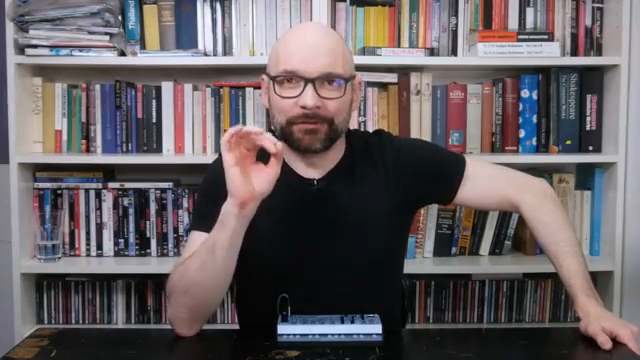
"CZ-1 is not a worthy replacement for the original Casio synths."
© Screenshot/Quote: Audiopilz (YouTube)
This article is also available in German. Read it here: https://synthmagazin.at/audiopilz-vs-behringer-cz-1-kaese-klone-und-phase-distortion-chaos/
Watch on YouTube:
Latest articles
Watch on YouTube:
Visit the channel:
https://www.youtube.com/AudioPilz
https://www.youtube.com/AudioPilz
Links from AudioPilz:
Become a Patreon: https://patreon.com/audiopilz
Instagram: https://instagram.com/audio.pilz
Sponsored links:
If you purchase via these links, we may earn a small commission – at no extra cost to you. The link opens an Amazon keyword search, and results may vary depending on availability.
Behringer CZ-1
🔗 Check price on Amazon
🔗 Check price on Amazon