Venus Theory, the ambient architect with a taste for cinematic soundscapes, ditches Windows and dives headfirst into the murky waters of Mac and Linux for a real-world music production showdown. Forget benchmarks and spec sheets—this is about writing actual tracks for an actual game, with actual bills on the line. Expect sarcasm, self-deprecation, and a healthy disrespect for operating system dogma. If you think you need a NASA rig to make music, prepare to have your excuses roasted. Venus Theory’s style is equal parts nerdy and no-nonsense, and this video is a wild ride through the OS jungle. Spoiler: the only thing that really matters is the music you make.
8. April 2026
SPARKY
Venus Theory’s OS Cage Match: Mac Neo vs Raspberry Pi 5 for Music Production
Windows Woes: The Last Straw
Venus Theory kicks things off with a flamethrower aimed squarely at Windows. From crawling File Explorer to the AI Copilot worming its way into every corner, it’s clear the love affair is over. The frustration is real, and the hunt for a better workflow is on. If you’ve ever wanted to throw your PC out the window, you’ll feel right at home here.
But instead of endless moaning, Venus Theory asks the only question that matters: what’s it like on the other side? The plan? Ditch Windows, grab a Mac Neo (the cheapest ticket to Apple town), and build a Raspberry Pi 5 Linux box. The goal isn’t to run benchmarks or chase specs, but to see if these alternatives can actually handle pro-level music production—real tracks, real deadlines, real money on the line.
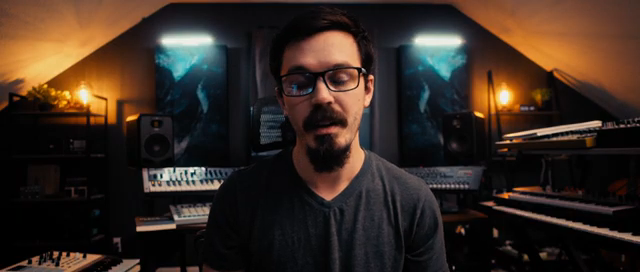
"Windows kinda sucks now."
© Screenshot/Quote: Venustheory (YouTube)
Mac Neo vs Raspberry Pi 5: Let the Games Begin
The experiment is simple: write a legit song for a real game on each system, using the same DAW, interface, and workflow. Venus Theory sets the ground rules—no synthetic tests, just actual studio sessions. The stakes? The soundtrack for The Core, a game about to hit public playtest. If the tracks flop, so does the rent.
First up is the Raspberry Pi 5, a tiny Linux-powered beast that was never meant for this kind of abuse. Building it is fiddly, but Venus Theory’s up for the challenge (even if it means admitting you probably haven’t talked to a woman in years if you’re building a Pi music rig). Ubuntu is the flavour of choice, and after some wrestling with cases and cables, it’s time to record, layer synths, and see if this thing can keep up. Spoiler: it’s surprisingly capable—until you start pushing the CPU.
Strengths, Weaknesses, and Studio Reality Checks
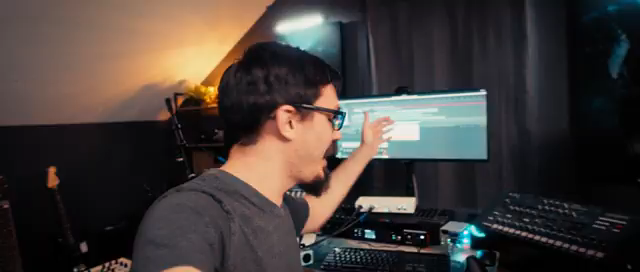
"Look at that. I have all my libraries for Decent Sampler on this now. Hell yeah, I am excited now."
© Screenshot/Quote: Venustheory (YouTube)
Linux on the Pi 5 holds its own for a while—12 tracks, 20 plugins, and even Decent Sampler running natively. But as the session grows, the CPU starts sweating bullets. Buffer sizes get bumped, plugins swapped, and eventually, the mix is done, but not without some weirdness and forced quits. Still, for a machine that cost less than a night out, it’s a shockingly solid effort.
Switching to the Mac Neo is like stepping into a frictionless rave bunker. Everything just works. Reaper, plugins, interfaces—no drama, no Googling obscure error messages. The Neo handles the same session with ease, barely breaking a sweat. Venus Theory keeps things fair by limiting track counts, but the Mac’s raw power and stability make it clear why so many producers have jumped ship. It’s not glamorous, but it gets the job done without the usual digital fistfights.
Linux: The Unexpected Joy Machine
Here’s the twist: despite the Pi’s limitations and Linux’s quirks, Venus Theory finds the whole process unexpectedly fun. Being ripped from the comfort zone and forced to make music on a glorified calculator brings back the thrill of discovery. The Mac is a reliable workhorse, but Linux is the wild card that makes you feel alive—at least until the next crash. If you want to see the real chaos and hear the results, you’ll have to watch the video. Trust me, the sonic street fight is worth it.
It’s Not the Gear, It’s the Groove
In the end, Venus Theory drops the only truth that matters: nobody cares what OS you used to make your music. The developer loved both tracks, whether they came from a shiny Mac or a scrappy Pi. The takeaway? Stop obsessing over platforms and start making tunes. Mac, Linux, Windows—they’re all just tools, each with their own headaches and perks.
Venus Theory’s verdict is classic: pick what works for you, ignore the hype, and don’t let YouTube talking heads (yes, even him) tell you what you need. If you want plug-and-play, grab a Mac. If you like hacking and don’t mind a few crashes, Linux is getting better every year. Either way, the only thing that matters is the music you make—not the toaster you made it on.
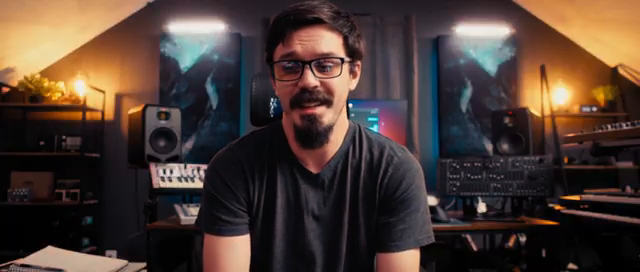
"To most people, music is just music. They really do not care how it was made, let alone what operating system it was made on."
© Screenshot/Quote: Venustheory (YouTube)
This article is also available in German. Read it here: https://synthmagazin.at/venus-theorys-os-kaefigkampf-mac-neo-vs-raspberry-pi-5-im-musikproduktions-test/
Watch on YouTube:
Latest articles
Watch on YouTube:
Visit the channel:
https://www.youtube.com/VenusTheory
https://www.youtube.com/VenusTheory
Links from VenusTheory:
Website: https://venustheory.com
Instagram: https://instagram.com/venustheory
Twitter: https://twitter.com/venustheory
Sponsored links:
If you purchase via these links, we may earn a small commission – at no extra cost to you. The link opens an Amazon keyword search, and results may vary depending on availability.
Arturia MiniFreak
🔗 Check price on Amazon
🔗 Check price on Amazon
Decent Sampler
🔗 Check price on Amazon
🔗 Check price on Amazon
Mac Neo
🔗 Check price on Amazon
🔗 Check price on Amazon
Raspberry Pi 5
🔗 Check price on Amazon
🔗 Check price on Amazon