Ever wondered how to turn a polite pluck into a wall of sound that could level a warehouse? Underdog Electronic Music School is back with a no-fluff guide to transforming your synths into emotional sledgehammers using the clone & drone technique. Oscar’s teaching style is as sharp as ever—straight to the point, with just enough cheek to keep you grinning while your DAW smokes. Whether you’re after spiritual weight or just want your groove to slap harder, this video’s got the hacks. If you think drones are just for ambient heads, think again: these tricks will have your next track breathing fire.
10. March 2026
SPARKY
Underdog Electronic Music School: Drones That Hit Harder Than Your Kick
From Pluck to Sonic Gravity Well
Let’s get one thing straight: drones aren’t just for chin-stroking ambient producers—they’re emotional wrecking balls, and Underdog Electronic Music School wastes no time proving it. The video opens with a challenge: can you morph a short, perky pluck into a droning monolith? If you hesitated, you’re in the right rave bunker.
Oscar explains that a plucky synth line brings lightness and bounce, but slap a drone underneath and suddenly you’ve got spiritual heft. It’s not just about filling space; it’s about shifting the entire emotional landscape of your track. Drones add energy, colour, and a sense of stability, all without stepping on your percussion’s toes. The result? A wall of sound that can overwhelm, then vanish, leaving your groove to hit even harder.
"Its presence in music is very significant in that it imparts so much energy and color to a composition, but at the same time doesn't necessarily rhythmically draw away from the percussion that's happening."
© Screenshot/Quote: Oscarunderdog (YouTube)
Clone & Drone: Double Trouble for Your Groove
"To turn a pluck into a drone, it could be as simple as raising the sustain and increasing the release."
© Screenshot/Quote: Oscarunderdog (YouTube)
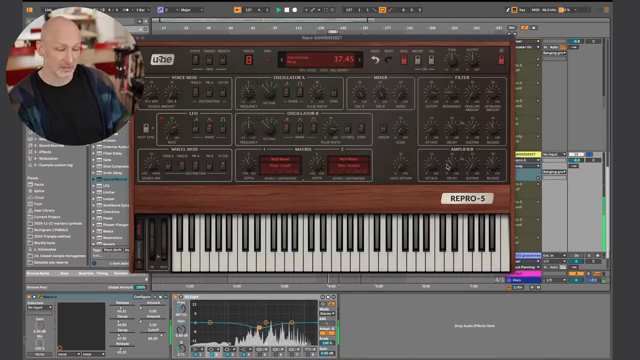
Here’s where things get spicy. Oscar takes a plucky synth—dubbed ‘Sweet’ with more E’s than a dodgy rave flyer—and simply duplicates it. This isn’t just lazy copy-paste; it’s tactical. By tweaking the envelope—cranking up sustain and release—you turn a chirpy lead into a thick, stable drone that sits under your groove like a sonic mattress.
The trick is to keep the filter open and the oscillators in tune, so the drone complements rather than muddies the mix. In context, the groove stays front and centre, while the drone adds tension and release. It’s a classic Underdog move: simple, effective, and surprisingly powerful. Don’t expect a full parameter breakdown here—watch the video for the nitty-gritty patching and to hear how it actually slaps.
Frozen Reverb: The Drone Machine You Didn’t Know You Had
No ADSR? No problem. Oscar’s second method is pure wizardry: slap a hybrid reverb on your plucks, crank it algorithmic, and hit freeze. Suddenly, your synth is pumping out endless, lush drones—no envelope tweaking required. The result is a wall of harmonics that’s more unpredictable and edgy than the envelope method.
This frozen reverb trick is perfect for building up tension or dropping a burst of energy right when your track needs it. It’s not just about lengthening notes; it’s about sculpting new textures from your existing sounds. The video’s got all the juicy details and sound demos—seriously, you’ll want to hear how wild this gets when you push it.
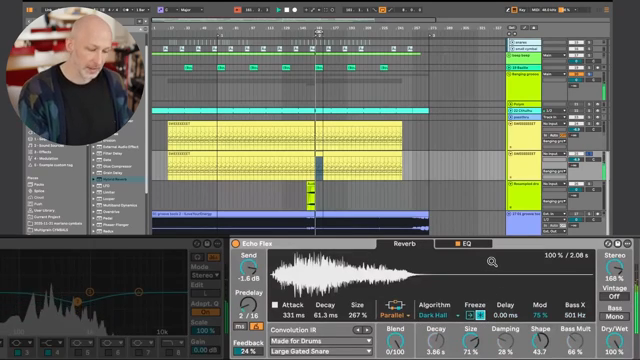
"Once we've frozen it, it becomes this endless drone, perfectly usable like this."
© Screenshot/Quote: Oscarunderdog (YouTube)
Resample, Fade, and Layer: Sculpting the Sonic Sausage
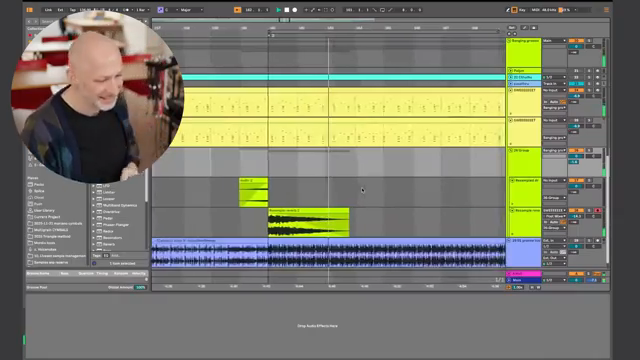
"It comes and it goes and it propels us into the next musical section."
© Screenshot/Quote: Oscarunderdog (YouTube)
Once you’ve got your drone—whether from envelopes or frozen reverb—the next move is to resample it. Oscar shows how to record that ‘sausage’ of sound, then fade it in or chop it up for transitions. This isn’t just a technical flex; it’s about giving yourself material to sculpt, layer, and abuse in your arrangement.
Resampling lets you treat drones as modular building blocks. Fade them in for tension, slice them for impact, or EQ them to taste. The beauty is in the flexibility: you can shape the drone to fit any moment, from subtle background glue to full-on breakdown weapon. For the full workflow and transition tricks, you’ll want to see Oscar’s DAW in action.
Level Up Your Sound Design—No Excuses
This isn’t just theory—it’s a practical, streetwise guide for anyone looking to beef up their tracks. Oscar’s teaching is classic Underdog: clear, fast, and just cheeky enough to keep you awake. Both methods—envelope and frozen reverb—are accessible, requiring nothing but a synth, a DAW, and a bit of nerve.
If you’re tired of polite, empty mixes, these drone techniques are your ticket to bigger, bolder sound. The real magic, though, is in the details and sound examples—so don’t just read about it, go watch the video and let your speakers sweat.
This article is also available in German. Read it here: https://synthmagazin.at/underdog-electronic-music-school-drones-die-haerter-druecken-als-dein-kick/
Watch on YouTube:
Watch on YouTube:
Visit the channel:
https://www.youtube.com/OscarUnderdog
https://www.youtube.com/OscarUnderdog
Links from OscarUnderdog:
underdog.brussels: https://underdog.brussels
Underdog instagram: https://instagram.com/oscarunderdog
Underdog facebook: https://facebook.com/underdogbrussels
Sponsored links:
If you purchase via these links, we may earn a small commission – at no extra cost to you. The link opens an Amazon keyword search, and results may vary depending on availability.
Ableton Hybrid Reverb
🔗 Check price on Amazon
🔗 Check price on Amazon
Repro 5
🔗 Check price on Amazon
🔗 Check price on Amazon