What happens when a techno nerd deliberately puts on creative shackles? That’s exactly what Kai Chonishvili demonstrates in the Groovebox Expert Circle by Audio Tutorial Experts. With his Tresor setup, he proves that less is often more—and that limitations are your best friend for fresh ideas. No fluff here, just solid tips on keeping your workflow lean, taming cable chaos, and squeezing maximum club power from a minimal rig. If you want to know how a live set with just two blinking boxes can tear the roof off, you’re in the right place.
1. August 2026
ZAPP
Tresor Grooveboxes Put to the Test: Audio Tutorial Experts Bring the Heat
Elektron Analog Rytm, Elektron Octatrack, Native Instruments Maschine Plus
Kai, Tresor, and the DIY Mindset: Creativity Through Limitation
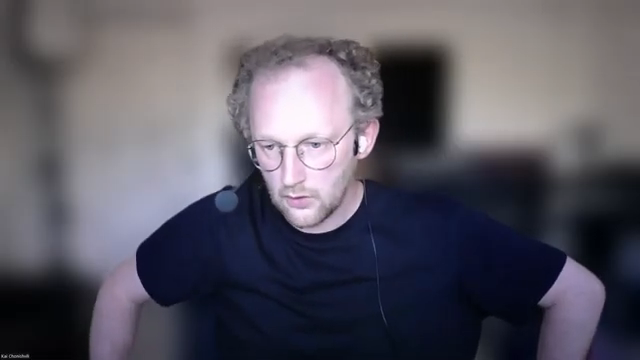
Kai Chonishvili jumps right in with the techno hammer and takes us behind the scenes of his Tresor setup—not as an ivory tower sound designer, but as a pragmatist who gets a lot out of a little. What looks like a minimalism experiment is actually a sophisticated system built on deliberate constraints. His motto: Don’t haul everything around, but squeeze the best out of a few select machines—the record crate as a Gameboy factory.
He leaves no doubt: Limitation isn’t a hurdle, it’s the real engine for creativity and efficient live performance. Instead of getting lost in a wall of gear, Kai focuses on giving each track its own compact home. It’s clear that his approach isn’t just for Tresor gigs—whether you’re a beginner or already stacking synth Legos, there’s plenty of inspiration here.
Grooveboxes at the Limit: Less Hardware, More Ideas
At the center is the efficient use of grooveboxes—focus on the main players, not the extras. Kai shows: An Analog Rytm, an Octatrack, and a few samples are enough to get the place cooking. If you think more gear automatically means more sound, think again. His step sequencers feel like Tetris on speed: every sound block has to fit, every button press counts.
Deliberate self-limitation forces clarity—and it pays off. Instead of endlessly diving into menus or drowning in a sea of samples, there’s hard prioritization: What does a track really need, and how can I create maximum dynamics with minimal means? Kai’s setup answers the classic question: How much chaos can the beat frying pan handle before it’s inedible? His solution: The fewer the ingredients, the more flavor.
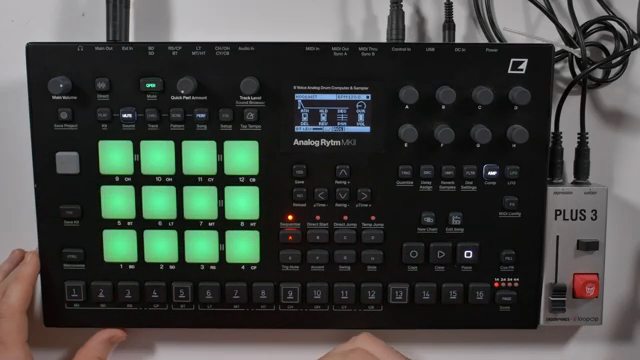
"Creativity really started right at the beginning, when I asked myself how to bring the essence of the track I performed in my big studio into this setup."
© Screenshot/Quote: Audiotutorialexperts (YouTube)
Goodbye Cable Chaos: Practical Wiring Tricks for Live Flow
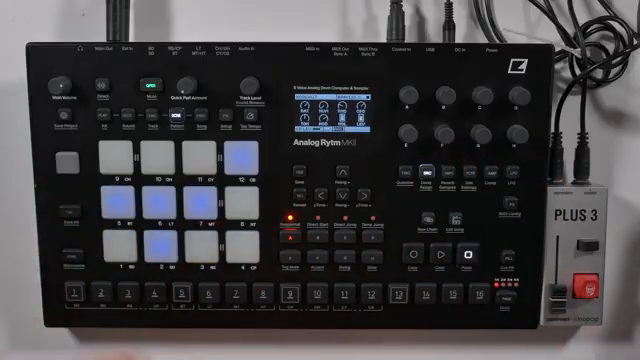
"And that automatically forces me—really, this hardware limitation—it just makes me think a lot more about composition."
© Screenshot/Quote: Audiotutorialexperts (YouTube)
Anyone who’s ever untangled a cable mess with sweaty hands in a club knows: A tidy setup is worth its weight in gold. Kai rolls out the red carpet for clever cabling and shares tips on how to keep track even in the tiniest DJ booth. His workflow: Clearly structured audio paths, as little plugging and unplugging as possible, and everything prepped so nothing can go wrong in the heat of the moment.
Whether it’s mute mode, performance pads, or the legendary scene function—everything is set up so the creative flow never stalls. He also gives practical advice for switching from one groovebox to another: Devices like Analog Rytm and Octatrack speak the same language, but Kai emphasizes that many concepts can be transferred to other machines. If you want to make your set not just tighter but also more relaxed, you should definitely check out these cabling tricks.
Live Performance: Club Quake with Just Two Boxes
Now it gets serious: Kai demonstrates how to achieve maximum impact with minimal equipment. His record crate isn’t a relic, but a sample slingshot with a system. Thanks to Octatrack and Analog Rytm, he switches between tracks like a DJ flips records—but all live, no safety net. Transitions, filter sweeps, loops: every move is on point, and if you think this setup sounds like it’s running on fumes, you’re dead wrong.
The live performance thrives on clever arrangements, quick pattern changes, and a clear plan for when each track gets its moment to shine. The real art: Bringing the club to a boil with just a few moves while keeping everything under control. The details of how Kai tames timing and transitions are better experienced in the video than explained in text—this is where the beat frying pan really starts to sizzle.
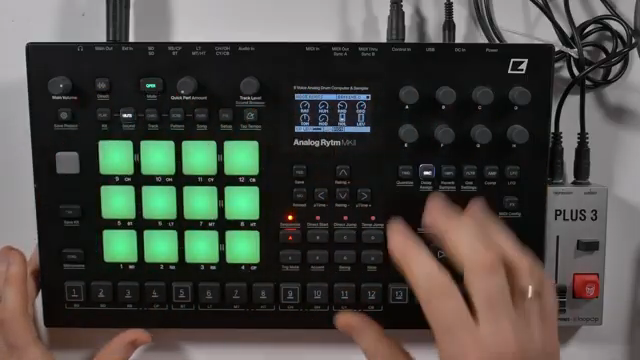
"But once I got it on here, I was really proud, because I know I released it, I made it in my hardware studio, and now I have a minimal live version I can play just like that."
© Screenshot/Quote: Audiotutorialexperts (YouTube)
More Nerd Fuel: Setups, Sound Examples, and the Aha Effect
If you’re thinking, “Wait, what about all those little tricks I can’t read here?”—watch the recording! There you’ll find not only detailed sound examples but also answers to chat questions that are interesting for both beginners and veterans.
Kai doesn’t bother with half-baked explanations—he shows how real aha moments come from limitations. The rest of the nitty-gritty, from audio routing to workshop announcements, is better experienced in the video than in text. For anyone who wants to blow up the club game with a minimal setup next time, this is the perfect source of inspiration—with enough trash aesthetic and DIY charm to make even the last groovebox blink.
This article is also available in German. Read it here: https://synthmagazin.at/tresor-grooveboxen-im-haertetest-audio-tutorial-experts-lassens-krachen/
More articles about these products:
 Voltage Labs: Vintage Hi-Fi – The Dirty Secret Weapon in Modern Production
 Andrew Huang’s Studio: Pink Overload, Patch Bay Madness & Sonic Playground
 Blairy’s Beatlab Unleashes the Elektron Dark Trinity: A Rave Bunker in a Box
 Signal Sounds Talks Vhikk X: The Cult of Forge-TME’s Sonic Street Weapon
 Alex Ball’s Drum Synth Odyssey: From UFO Pads to Modern Mayhem
 Bolo Da Producer Breaks Down Maschine 3.5: Updates, Glitches, and Hopes for the Future
 The Midlife Synthesist Unleashes the Nord Stage 3: Performance Ferrari or Just Flashy Red?
 Starsky Carr’s Synth Bunker: Vintage Heat Meets Modern Muscle
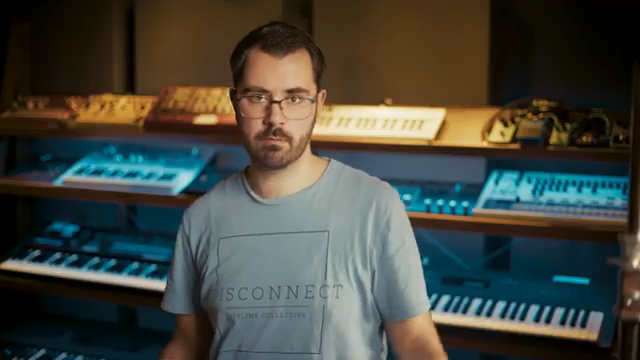 Optoproductions Throws Down: Mackie 1604 VLZ4 as the Techno Mixer Street Weapon
 AudioPilz Dishes the Dirt: What Your Synth REALLY Says About You
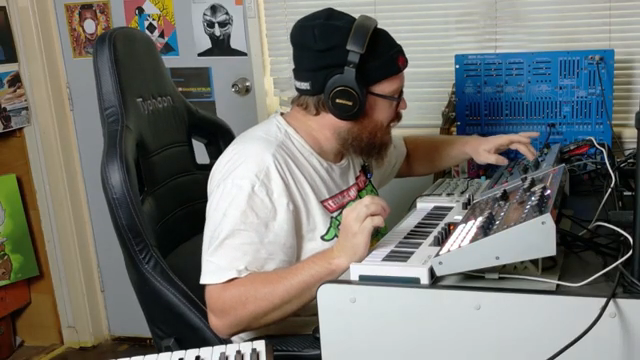 Blairy’s Beatlab Unleashes the Hydrasynth: Sequencer or Secret Weapon?
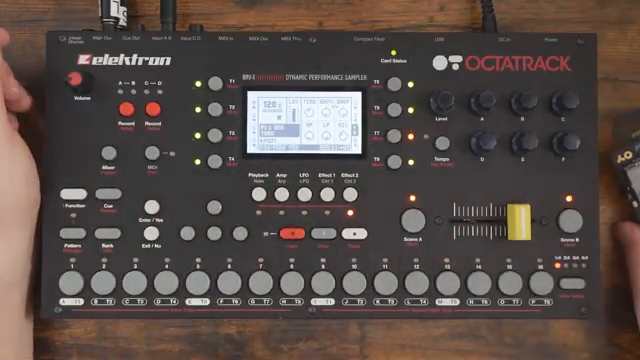 Free Beat vs. Octatrack: The Looping Labyrinth Revisited
Watch on YouTube:
Latest articles
Watch on YouTube:
Visit the channel:
https://www.youtube.com/AudioTutorialExperts
https://www.youtube.com/AudioTutorialExperts
Links from AudioTutorialExperts:
Tutorial Experts Shop: https://tutorial-experts.de
Tutorial Experts bei Amazon: https://amazon.de/DVD-Lernkurs-Software/s?k=DVD%20Lernkurs&rh=n%3A301927
Tutorial Experts bei Thomann: https://thomann.de/de/tutorial_experts.html
Impressum: https://tutorial-experts.de/impressum
Sponsored links:
If you purchase via these links, we may earn a small commission – at no extra cost to you. The link opens an Amazon keyword search, and results may vary depending on availability.
Elektron Analog Rytm
🔗 Check price on Amazon
🔗 Check price on Amazon
Elektron Octatrack
🔗 Check price on Amazon
🔗 Check price on Amazon
Native Instruments Maschine Plus
🔗 Check price on Amazon
🔗 Check price on Amazon