If you think the world of Eurorack is just another sausage factory, think again. In this Signal Sounds podcast, the Glasgow synth wizards sit down with Fletcher from Forge-TME—the mad scientist behind the Vhikk X, the module that’s got everyone frothing at the patch cables. From DIY lockdown roots to Superbooth chaos and the existential FOMO of global pre-orders, this chat pulls back the curtain on one of the most hyped synth voices in recent memory. Expect tales of algorithmic rabbit holes, community weirdness, and why scarcity isn’t always a marketing ploy. If you want to know what makes the Vhikk X tick (and why you probably can’t buy one), this is essential bunker listening.
11. June 2026
SPARKY
Signal Sounds Talks Vhikk X: The Cult of Forge-TME’s Sonic Street Weapon
Birth of a Street Weapon: The Origin and Design of Vhikk X
Fletcher from Forge-TME isn’t your typical synth designer—no pedigree, no corporate ladder, just pure kitchen-gig hustle and a maths degree that took the scenic route. The Vhikk X started as a lockdown side project, cobbled together with service manual know-how, DIY spirit, and a love for weird sound. Fletcher admits the early days were all about fixing up broken synths, scraping together enough cash for an Octatrack, and learning on the job—literally soldering his way from gigging electro live sets to modular design.
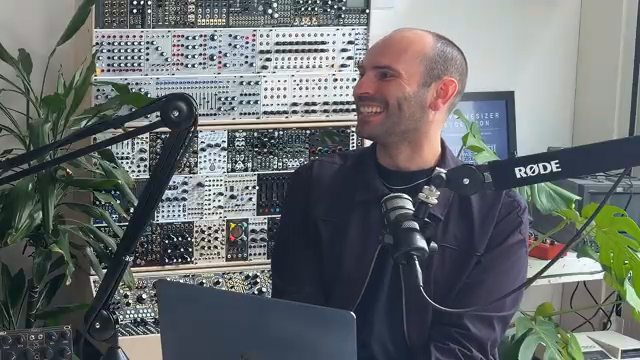
Vhikk X itself stands out because it doesn’t care about fitting into the usual synth voice mould. Fletcher describes it as a synth voice with effects—no internal mod sources, inviting you to bring your own modulation mayhem. The interface? Open-ended, a bit mysterious, and determinedly macro. Controls are vague on purpose, because each algorithm twists them differently, and you’re invited to get lost in the sonic forest. If you’re after a module that’s easy to label, look elsewhere—this one’s all about the experience, not the manual.
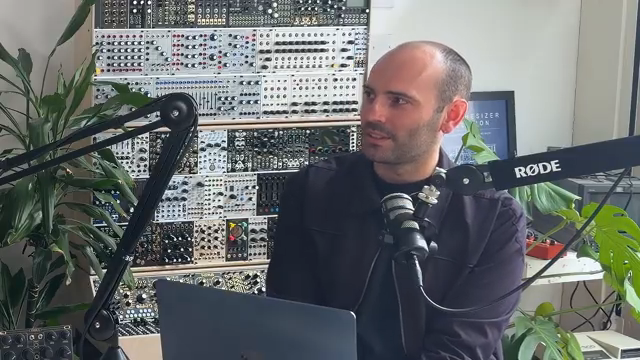
"Describing it as like a synth voice with effects, but without any modulation."
© Screenshot/Quote: Signal Sounds (YouTube)
Superbooth: Rave Tents, Migraine Zones, and Guerilla Demos
"You just practice exactly the same conversation like hundreds of times."
© Screenshot/Quote: Signal Sounds (YouTube)
Superbooth isn’t just a gear expo—it’s a full-blown psychological experiment, especially if you’re stuck repeating your pitch for three days straight. Fletcher’s first in-person Superbooth was an initiation by sonic fire, setting up shop with the Instruo and Glasgow Synth Guild crews, dodging migraine-inducing tents, and soaking in the camp-chair commune vibes. Forget polished demos; this was headphones-only territory, with freeform showcasing and half the visitors not even knowing what the Vhikk X does (yet).
It’s not the place for a deep dive, but Fletcher relished the raw feedback—mixing it up with users, fellow makers, and getting a crash course in the modular tribe. Sure, you can’t really hear anything properly with three speaker stacks screaming at you, but the point is the chaos and the community. If you want to see the real festival madness and hear the Vhikk X in the wild, you’ll have to watch the episode—no text recap can do justice to the migraine zones.
Algorithm Apocalypse: What’s Next for the Vhikk X?
The Vhikk X was never meant to be static. Fletcher’s working on a fat injection of new algorithms, promising wilder textures and more amorphous, acousmatic sound—less ‘hidden synth voice,’ more ‘alien landscape.’ The update’s not vaporware; Fletcher’s deep into the DSP trenches, learning as he goes, and won’t rush it just to cash in. He admits the earliest algorithms were, in his words, ‘duct tape’ jobs, but the new batch is shaping up to deliver that original weird vision.
But don’t expect Insta-reward gratification—the challenge isn’t just coding, it’s about nailing that elusive, unpredictable sweet spot. Fletcher’s got a library of mapping curves, internal randomisation, and a touch of happy accident behind every patch. If you want the gory details of what’s changing (and what’s not), you’ll have to plug in and experience it. The journey from A to B is as wild as the destinations.
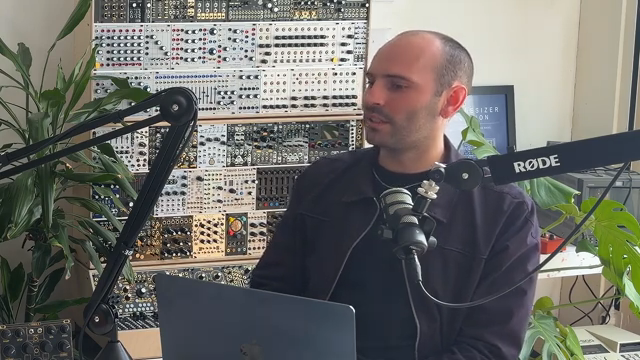
"I still feel like I haven't realized that that vision."
© Screenshot/Quote: Signal Sounds (YouTube)
Scarcity Games: Hype, FOMO, and the Curse of Popularity
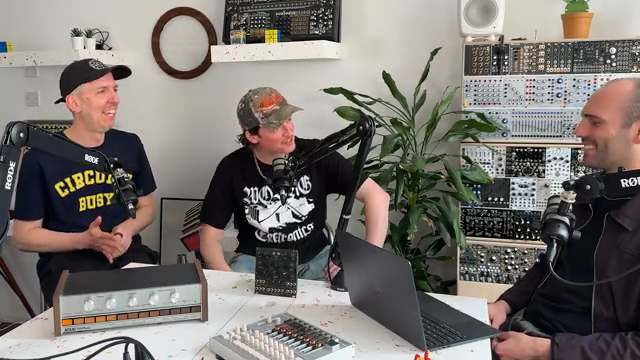
"I don't like the fact that it's been on pre-order for kind of its entire life cycle."
© Screenshot/Quote: Signal Sounds (YouTube)
You can’t talk about the Vhikk X without talking about its infamous scarcity. Fletcher’s honest—he never planned for this level of demand, and the whole pre-order saga is more logistical nightmare than clever marketing. Every time a batch drops, it’s gobbled up, with supply barely keeping up with the global hunger. The Glasgow Synth Guild now handles production, but they’re not a mega-factory—just a handful of synth maniacs soldering as fast as humanly possible.
Signal Sounds and Forge-TME are upfront: there is no secret pile of unsold Vhikk X modules. It’s just relentless FOMO, unpredictable part shortages, and a supply chain that moves at the speed of molasses. The honest truth? Fletcher thought he’d make a hundred, and now he’s riding the wave, grateful and slightly bewildered. For some, the chase is half the fun. For others, it’s an existential crisis in the modular game.
Modular Solidarity: Community, Collaboration, and the Anti-Hype Model
The modular scene isn’t your cutthroat Silicon Valley—it’s a ragtag network of solo builders, tiny shops, and friendly rivals who’ll recommend a competitor’s module if it fits your rack better. Fletcher’s path is classic: boosted by community, supported by shops like Found Sound, and now deep in the Glaswegian synth mafia thanks to Signal Sounds and the Glasgow Synth Guild. There’s a sense of fraternal support, not dog-eat-dog competition.
The anti-hype approach is real: no influencer blitz, no forced YouTube onslaught. Fletcher prefers letting the community fill the content gap, and it turns out that’s fuelled the cult status even more. There’s talk of future collaborations, new module ideas, and the joy of balancing art and engineering—plus all the existential fun of making mistakes, learning DSP from scratch, and never quite knowing where the next happy accident will take you. If you want to see what underground modular culture looks like when it’s not trying to sell you something every five seconds, this podcast episode is a masterclass.
This article is also available in German. Read it here: https://synthmagazin.at/signal-sounds-spricht-ueber-vhikk-x-der-kult-um-forge-tmes-sonic-street-weapon/
More articles about these products:
 Blairy’s Beatlab vs. The Octatrack: Firmware Hacking With Attitude
 once upon a synth Goes Dawless: Techno Tactics for the Hardware-Obsessed
 Voltage Labs: Vintage Hi-Fi – The Dirty Secret Weapon in Modern Production
 Tresor Grooveboxes Put to the Test: Audio Tutorial Experts Bring the Heat
 Blairy’s Beatlab Unleashes the Elektron Dark Trinity: A Rave Bunker in a Box
 AudioPilz vs. Yamaha FS1R: The Digital Synth That’s Both Legend and Nightmare
 The Midlife Synthesist Unleashes the Nord Stage 3: Performance Ferrari or Just Flashy Red?
 Metamyther vs. Donner L1: Budget Banger or Plastic Pretender?
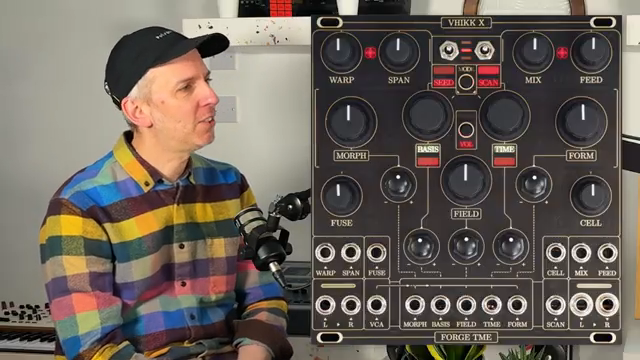 Signal Sounds Unleash the Signal Flow Podcast: Synth Banter, Gear Hype, and Modular Mayhem
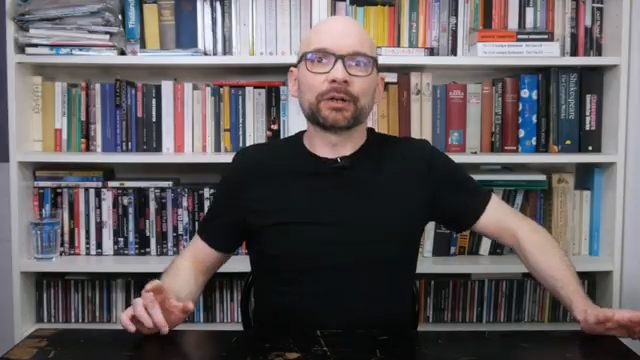 AudioPilz Dishes the Dirt: What Your Synth REALLY Says About You
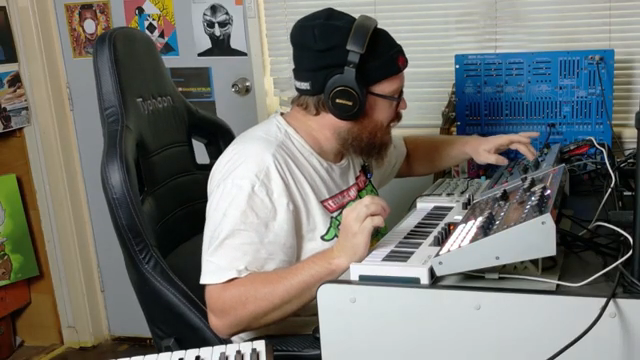 Blairy’s Beatlab Unleashes the Hydrasynth: Sequencer or Secret Weapon?
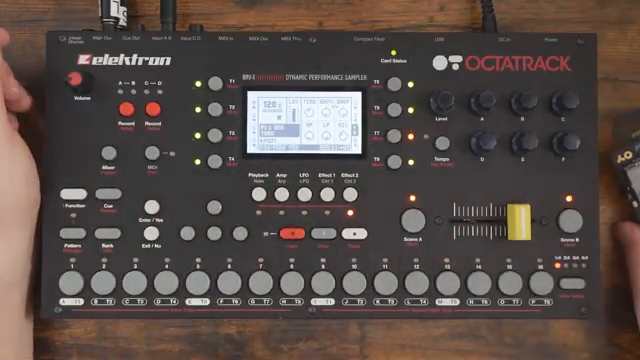 Free Beat vs. Octatrack: The Looping Labyrinth Revisited
Watch on YouTube:
Latest articles
Watch on YouTube:
Visit the channel:
https://www.youtube.com/signal-sounds
https://www.youtube.com/signal-sounds
Links from signal-sounds:
website: https://www.signalsounds.com
instagram: https://www.instagram.com/signal_sounds
facebook: https://www.facebook.com/signalsoundsuk
Sponsored links:
If you purchase via these links, we may earn a small commission – at no extra cost to you. The link opens an Amazon keyword search, and results may vary depending on availability.
Elektron Octatrack
🔗 Check price on Amazon
🔗 Check price on Amazon
Forge-TME Vhikk X
🔗 Check price on Amazon
🔗 Check price on Amazon
Yamaha FS1R
🔗 Check price on Amazon
🔗 Check price on Amazon