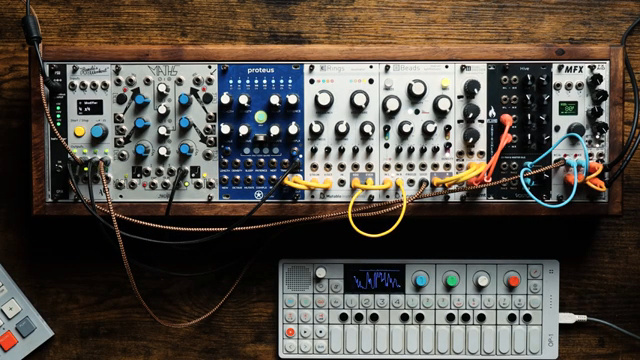
Ready to bin your stale 16-step habits? The Unperson is here with a wild ride through four in-rack Eurorack sequencers that’ll slap you out of your comfort zone. Forget polite, predictable beats — this video dives into the dirty, hands-on chaos of Oct Tone, Proteus, the RYK M185, and Pam’s Pro Workout. Expect knob-twiddling, algorithmic weirdness, and enough polymetric madness to melt your DAW-loving brain. If you think sequencing is just about playing it safe, think again. The Unperson’s approach is part rave bunker, part synth scientist, and all about pushing your rig into unknown territory. Stick around, because some of these tricks are better heard than read.
22. June 2026
SPARKY
The Unperson’s Eurorack Sequencer Showdown: Four Ways to Break Your Patterns
ALM Busy Circuits Pamela's Pro Workout, Arturia Keystep 37, Glasgow Synth Guild Oct Tone, RYK M185, Seaside Modular Proteus
Escape the Groove Cage
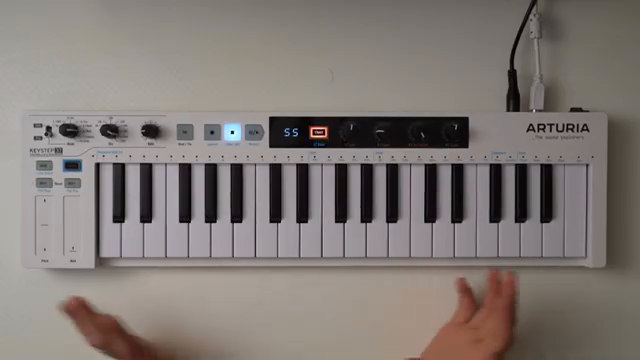
The video kicks off with The Unperson laying down the law: external sequencers like the trusty KeyStep 37 are great for getting exactly what you want, but they also make it way too easy to fall into the same tired patterns. If you find yourself stuck looping the same scales and structures, you’re not alone — that’s the curse of comfort and muscle memory.
But here’s the twist: in-rack sequencers aren’t just about saving rack space. They’re about forcing you to rethink everything. The Unperson points out that these modules can yank you out of your rut, offering tactile, unpredictable workflows that push you towards musical ideas you never planned. The agenda is set: four sequencers, four completely different approaches, and a promise to break the cycle of sameness.
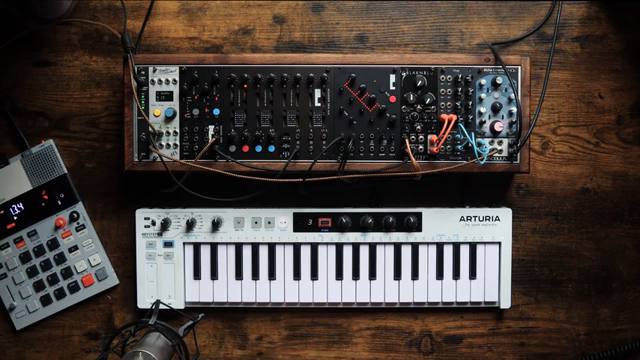
"That's what attracted me to in-rack sequencers because it kind of takes you out of your comfort zone."
© Screenshot/Quote: Theunperson (YouTube)
Sequencers with Attitude
"This is a really unique take on sequencing."
© Screenshot/Quote: Theunperson (YouTube)
Each sequencer gets its moment to shine, showing off quirks and features that practically beg you to get weird. The Oct Tone from Glasgow Synth Guild is a nod to classic analog step sequencers — simple, but every step is a gate, so you can trigger, modulate, or generally cause trouble anywhere in your patch. It’s hands-on, direct, and built for those who like to twist things until they snap.
Then there’s Proteus, a leftfield offering from Seaside Modular. Instead of pure randomness, it uses algorithms inspired by human melodies, making it an absolute goldmine for fresh ideas. Want a sequence that mutates just enough to stay interesting, but never flies off the rails? This is your ticket. Both are examples of how hardware sequencers can slap you out of your safe zone and into sonic mischief.
Four Sequencers, Four Personalities
Oct Tone brings the hands-on, old-school vibe — eight steps, each tunable, with the ability to patch gate outputs wherever you like. It’s all about getting your fingers dirty and patching your heart out. Proteus, on the other hand, is the wildcard: a module that generates musical patterns using clever algorithms, allowing you to lock in what you love and let it mutate when you don’t. Both modules are as much about performance as they are about programming.
Next up, the RYK M185 is a beast. With its eight steps and per-step stage control, you can create sequences that loop, pendulum, randomise, or go full polymetric. There’s glide, gate behaviour, and a workflow that rewards experimentation. Finally, Pam’s Pro Workout proves it’s not just a clock — it’s a sequencing monster when you start abusing its quantiser and Euclidean patterns. Each of these sequencers approaches the job from a totally different angle, and The Unperson doesn’t just show the features — he pushes them to the edge.
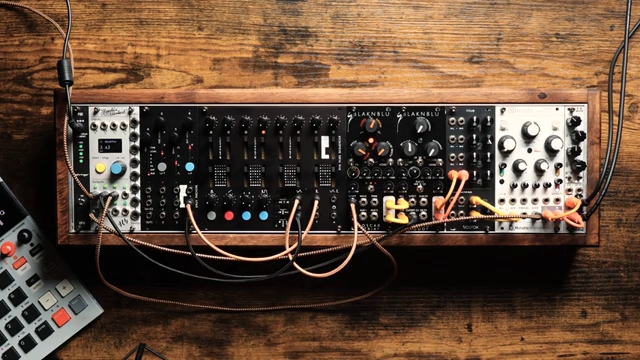
"This is an incredibly fun and hands-on sequencer."
© Screenshot/Quote: Theunperson (YouTube)
Patchwork Mayhem: Hands-On Demo Time
This is where the magic happens. The Unperson dives into each sequencer, letting the modules run wild and showing how quickly a patch can veer into unexpected territory. With Oct Tone, it’s about modulating filters, triggering wavetables, and flipping between scales. Proteus gets locked, mutated, and warped, showing the power of algorithmic generation in real time.
Pam’s Pro Workout steals the spotlight here: quantised random voltages, looping patterns, and Euclidean triggers fire off beads and rings for lush, glitchy textures. The video makes it clear that while you can read about these features, you really have to hear them — the jams are packed with moments you won’t get from a spec sheet. If you want to see sequencers misbehave in the wild, this is essential viewing.
Break Your Own Patterns
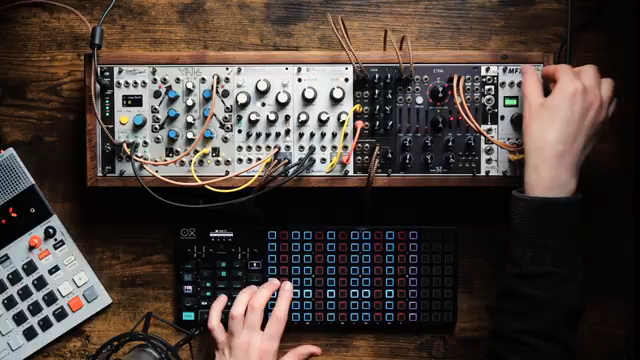
"So yeah, I hope you've enjoyed my exploration of in-rack sequencers."
© Screenshot/Quote: Theunperson (YouTube)
The Unperson closes the video with a challenge: if your music’s feeling a bit too safe, maybe it’s time to grab one of these sequencers and see how far you can push your own workflow. The message is clear — these aren’t just tools, they’re catalysts for chaos and creativity. Your next great track might be hiding behind a slider, a random button, or a polymetric trick you never knew you needed.
This article is also available in German. Read it here: https://synthmagazin.at/the-unpersons-eurorack-sequencer-showdown-vier-wege-deine-muster-zu-zerbrechen/
More articles about these products:

Watch on YouTube:
Latest articles
Watch on YouTube:
Visit the channel:
https://www.youtube.com/TheUnperson
https://www.youtube.com/TheUnperson
Links from TheUnperson:
patreon: https://patreon.com/theunperson
gumroad: https://theunpers0n.gumroad.com/
instagram: https://instagram.com/theunperson_
bandcamp: https://theunperson.bandcamp.com/
Sponsored links:
If you purchase via these links, we may earn a small commission – at no extra cost to you. The link opens an Amazon keyword search, and results may vary depending on availability.
ALM Busy Circuits Pamela's Pro Workout
🔗 Check price on Amazon
🔗 Check price on Amazon
Arturia Keystep 37
🔗 Check price on Amazon
🔗 Check price on Amazon
Glasgow Synth Guild Oct Tone
🔗 Check price on Amazon
🔗 Check price on Amazon
RYK M185
🔗 Check price on Amazon
🔗 Check price on Amazon
Seaside Modular Proteus
🔗 Check price on Amazon
🔗 Check price on Amazon