Forget polite mixing advice – Underdog Electronic Music School jumps straight into the ring with a hands-on lesson in stereo width. Panning, Haas effect, and the art of not wrecking your mix in mono get the full no-nonsense treatment. Whether you’re a bedroom producer or a bunker-bound rave architect, here’s the lowdown on making your tracks slap in every sound system. Grab your headphones and prepare for some phase-fighting knowledge.

15. September 2026
SPARKY
Stereo for the Streets: Underdog Electronic Music School Drops the Panning & Haas Reality Check
Stereo 101: More Than Just Two Speakers
Underdog Electronic Music School doesn’t waste time on fluff—straight in with the basics of stereo. The whole point: one sound, two speakers, and the endless playground that opens up when you stop thinking like a mono caveman. The lesson kicks off with the classic left-right trickery: push a sound left, push it right, or let it hover in the phantom centre. It’s not just about slapping your kick in the middle and calling it a day—it’s about intentional placement, and Oscar from Underdog makes sure you get the memo.
We get a rapid-fire history lesson—old-school engineers went wild when stereo landed, sometimes dumping a whole drum kit in one ear just because they could. The goal here isn’t to bore you with theory; it’s to show you why stereo placement is a secret street weapon for anyone looking to make their tracks pop out of the speakers, not just dribble down the middle.
Pan Like You Mean It
Panning is the original stereo trick. Underdog lays it out: take your boring mono signal and make it louder in one speaker than the other, and suddenly you’ve got width for days. It’s efficient, safe, and frankly, if you’re not using it, you’re missing out on some easy drama in your mix.
But—and there’s always a but—hard panning can be a distraction, especially on headphones. Nobody wants their main melody feeling like it’s tapping them on the shoulder from the fire exit. Most musical action should stay in the centre, unless you’re going for some experimental ASMR nonsense. Panning’s real magic is in subtlety, adding width without making your listeners dizzy. If your whole mix is living on the sides, you’re doing it wrong.
Haas Effect: Delay Your Way to Wide
Enter the Haas effect—a classic producer cheat code that’s all about micro-delays. Instead of messing with volume like panning, you duplicate the signal and nudge one side a few milliseconds later than the other. Suddenly, your sound is massive and wide, but you haven’t touched the fader. Just don’t push it too far, or you’ll end up in double-tracking territory, and your snare will sound like a toaster-fight in a tunnel.
Underdog demonstrates with a simple voice, sliding the delay from 1ms to 20ms and back. The point? Minimal timing differences can transform a flat signal into a stadium-sized slab of sound. But get greedy and go beyond 20ms, and you risk splitting your sound into two awkward twins. Real talk: the video’s headphone demo is the kind of thing words can’t do justice—watch it and feel your ears stretch.
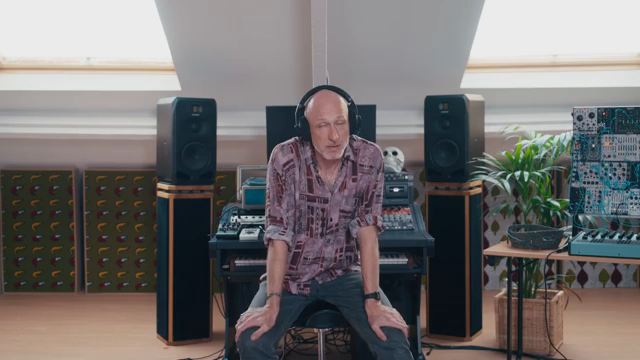
"The volume of the signal is exactly the same in the left and the right speaker. It's just timing differences that matter."
© Screenshot/Quote: Oscarunderdog (YouTube)
Balancing the Width: Contrast & Mono Survival
"So be intentional about blending panning and Haas Effect together, and there's two more things that I want to say about it, one artistic and one technical."
© Screenshot/Quote: Oscarunderdog (YouTube)
The real pros use both panning and Haas effect, blending them to taste. But here’s where Underdog earns his stripes: he reminds us that width isn’t free. Too much stereo and you lose the plot—important parts belong up front, while subtle textures can fill the sides. Think tension and release, not a permanent sonic pancake.
Then comes the mono compatibility smackdown. All that clever stereo can backfire when your tune gets squashed to mono—especially with Haas-induced phase cancellation. Underdog walks through the maths of wave addition, showing how the wrong timing can nuke your bass or make instruments vanish. The fix? Always check your mix in mono and don’t get cocky with delays. Your kick might slap in stereo, but if it disappears on a Bluetooth speaker, you’re toast.
Try It, Break It, Learn It
Underdog wraps up by showing off with Shaperbox, flipping between pan and Haas like it’s nothing. The plug-in blends both tricks, letting you sweep from hard left to phasey wide with a flick. The best part? He urges you to actually try this stuff—don’t just nod along, open your DAW and get weird. Some effects need to be heard, not explained, and this video delivers the goods. If you’re not experimenting with stereo, you’re missing the rave.
This article is also available in German. Read it here: https://synthmagazin.at/stereo-fuer-die-strasse-underdog-electronic-music-school-raeumt-mit-panning-haas-effekt-auf/
More articles about these products:
Watch on YouTube:
Latest articles
Watch on YouTube:
Visit the channel:
https://www.youtube.com/OscarUnderdog
https://www.youtube.com/OscarUnderdog
Links from OscarUnderdog:
underdog.brussels: https://underdog.brussels
Underdog instagram: https://instagram.com/oscarunderdog
Underdog facebook: https://facebook.com/underdogbrussels
Sponsored links:
If you purchase via these links, we may earn a small commission – at no extra cost to you. The link opens an Amazon keyword search, and results may vary depending on availability.
Shaperbox
🔗 Check price on Amazon
🔗 Check price on Amazon