If your basslines are floppier than a wet noodle, Starsky Carr is here to slap some backbone into your sound design. In this turbo-charged rundown, the British synth sage drops ten pro-level tips for monstrous bass – all doable on pretty much any synth with two oscillators and a filter. From simple saws to Reese monsters, acid squelch, PWM, and sub-bass that’ll rattle your nan’s tea set, Starsky’s approach is as practical as it is punchy. Expect no-nonsense advice, a few dirty tricks, and enough patching inspiration to keep your groovebox sweating for weeks. If you want bass that actually moves air, this is your new bible.
4. April 2026
SPARKY
Starsky Carr’s Bass Arsenal: 10 Synth Tips That Hit Like a Freight Train
Ten Bass Commandments
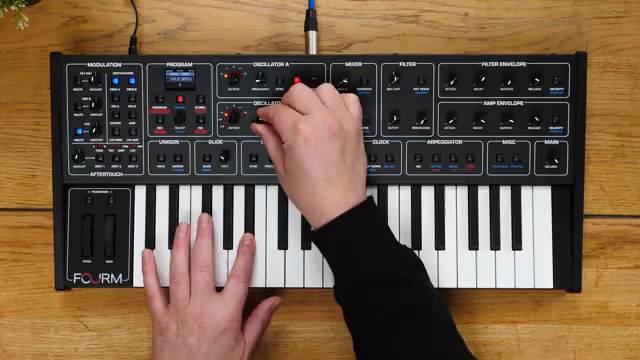
Starsky Carr isn’t messing about – he’s distilled years of studio grind into ten essential tips for making bass that actually matters. Forget the myth that you need some boutique monster synth; if your box has two oscillators, envelopes, a filter, and an LFO, you’re in business. The video kicks off with the revelation that 50 unique bass patches practically fell out of these techniques, and honestly, you’ll see why.
From the jump, it’s clear Starsky’s not just demoing a patch bank – he’s laying out a universal toolkit. The focus is on principles, not presets, so you can take these tricks to any hardware or software synth you’ve got lurking in your bunker. The feedback circuit on his chosen synth adds a bit of extra sauce, but the core moves are fair game for everyone. If you’re after bass that punches through concrete, this is your roadmap.
Simple Shapes, Maximum Punch
Here’s the bit most YouTube producers overcomplicate: simple waveforms are often the hardest hitters. Starsky starts with a lone sawtooth, tweaks the filter and envelope, and suddenly you’ve got a bassline that could flatten a small car. No endless layering or plugin voodoo – just classic shapes, dialled right. He swaps in a pulse or square, adds a touch of release to kill unwanted noise, and the result is a timeless, powerful tone you’ll recognise from a thousand dancefloor anthems. Sometimes, less really is more – especially when you want your bass to punch, not just wobble.
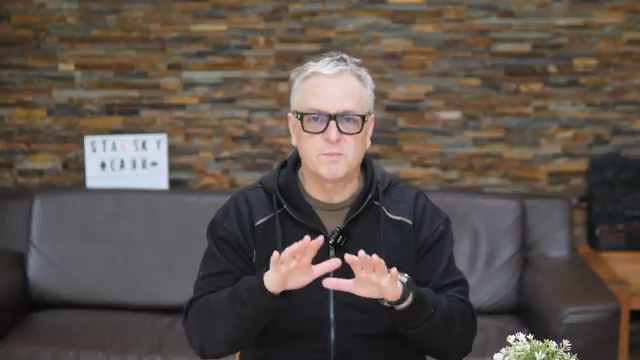
"Simple is often the most punchy, so starting with a really simple single sawtooth."
© Screenshot/Quote: Starskycarr (YouTube)
Oscillator Mayhem: Reese, Acid & Beyond
"And that's your restyle bass."
© Screenshot/Quote: Starskycarr (YouTube)
Now we’re into the fun stuff: stacking oscillators for filthier, richer bass. Starsky shows how a second oscillator, slightly detuned, morphs your sound into Reese territory – that classic, throbbing DnB staple. Push the detune harder and you get faster beating, more movement, and a bassline that sounds like it’s fighting itself in a dark alley. Acid heads get their fix too, with resonance cranked for that signature squelch. The trick is in the intervals: octaves for punch, fifths and thirds for harmonic spice, and even minor tweaks for dirtier, moodier vibes.
It’s not just about stacking – it’s about tweaking every variable. Change oscillator shapes, shift octaves, mess with tuning, and you’ll stumble into dozens of new tones. Starsky’s approach is pure exploration: every knob twist is a potential preset. If you’re bored with your current bass palette, this section is a goldmine. And honestly, the only way to really appreciate the chaos is to watch the video and hear these monsters growl.
Modulation Madness: LFOs & PWM for Evolving Bass
Static bass is dead bass. Starsky dives into modulation, starting with LFOs on filter cutoff for classic movement, then shifting to oscillator frequency for more unpredictable results. Sync it to your DAW, slow it down, speed it up – whatever fits your groove. The real magic? A bit of detune and filter modulation can turn a basic patch into a living, breathing beast.
Pulse Width Modulation (PWM) gets its own spotlight, and for good reason. Modulating the pulse width with an LFO transforms a plain square into a shape-shifting monster. Layer in envelopes, intervals, and resonance, and you’re suddenly sitting on a warehouse-ready bassline. The sheer number of variations here is wild, and Starsky’s workflow makes it look easy. If you want bass that evolves and snarls, this is where you start.
Sub-Bass Sorcery: Feedback, Noise & Self-Oscillation
Ready to get dirty? Starsky cranks up the audio-rate modulation, feeding oscillator B into A for gritty, aggressive tones that’ll make your monitors sweat. This is where polite bass goes to die. The feedback circuit comes next, adding thump and depth that you feel in your bones. Even a touch of noise can lift a patch, giving it that extra bite to cut through a busy mix.
But the real sub-bass wizardry comes with self-oscillating filters. Kill the oscillators, max the resonance, and let the filter sing – suddenly you’ve got a sub that rattles the furniture. With keytracking and a bit of tuning, it’s pure low-end magic. Starsky’s tips here are worth their weight in gold, but trust me, you’ll want to hear the table-rattling results for yourself in the video. Headphones or a big rig required.
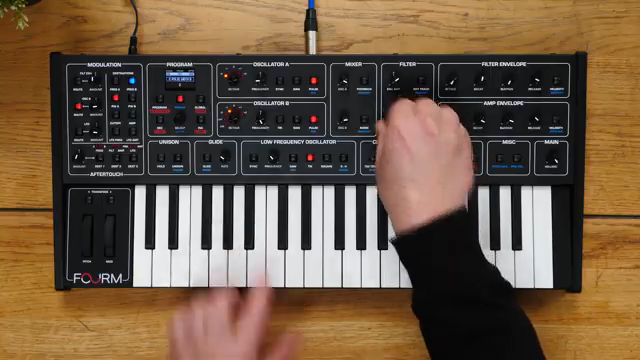
"Adding stuff for audio rates then tends to give things a much more dirty, gritty feel."
© Screenshot/Quote: Starskycarr (YouTube)
This article is also available in German. Read it here: https://synthmagazin.at/starsky-carrs-bass-arsenal-10-synth-tipps-die-wie-ein-gueterzug-einschlagen/
Watch on YouTube:
Latest articles
Watch on YouTube:
Visit the channel:
https://www.youtube.com/StarskyCarr
https://www.youtube.com/StarskyCarr
Links from StarskyCarr:
Patreon: https://patreon.com/starskycarr
Instagram: https://instagram.com/starskycarr
Facebook: https://facebook.com/StarskyCarrOfficial
Sponsored links:
If you purchase via these links, we may earn a small commission – at no extra cost to you. The link opens an Amazon keyword search, and results may vary depending on availability.
Form (synthesizer)
🔗 Check price on Amazon
🔗 Check price on Amazon