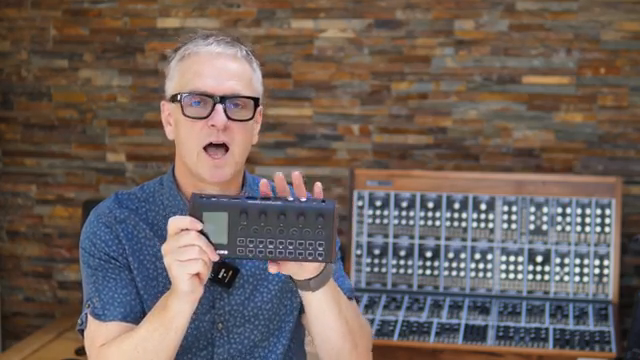
Starsky Carr dives headfirst into the Sonicware ELZ_1 Core, a chunky desktop synth with 18 engines and zero time for fluff. Forget speakers and loopers—this box is pure sonic muscle, stacking lush pads, filthy FM, and lo-fi grit in a hefty slab of metal. If you’re after a portable rave bunker, look elsewhere. If you want a synth that’s all killer, no filler, Starsky’s got you covered. The video’s packed with patch-building, dirty tricks, and a side order of British wit.
17. September 2026
SPARKY
Starsky Carr Unleashes the Sonicware ELZ_1 Core: 18 Engines, No Nonsense
Eighteen Engines, One Sonic Tank
Starsky Carr wastes no time: the ELZ_1 Core crams 18 synth engines into a desk-friendly slab that’s all about attitude. From the first patch demos, you’re hit with everything from creamy pads to gnarly, lo-fi noise walls—no keyboard, no speaker, just engines ready to fire. This monster lets you stack up to three engines at once for that extra layer of filth or finesse, depending on your mood. It’s the third ELZ_1 iteration, but now it’s heavier, meaner, and has binned the batteries and built-in speaker, so it’s not trying to be your next street busker amp.
What you get instead is a metal-bodied brute that feels more like a synth weapon than a toy. MIDI in, USB host, and audio over USB make it perfect for modern studio or stage setups. Starsky’s clearly smitten with its versatility—one minute he’s dropping lush pads, next he’s throwing out experimental noise. If you want something that covers the spectrum from rave anthems to modular weirdness, this little beast does it. But don’t take my word for it—Starsky’s hands-on patch demos are pure ear candy and show just how far you can push this box.
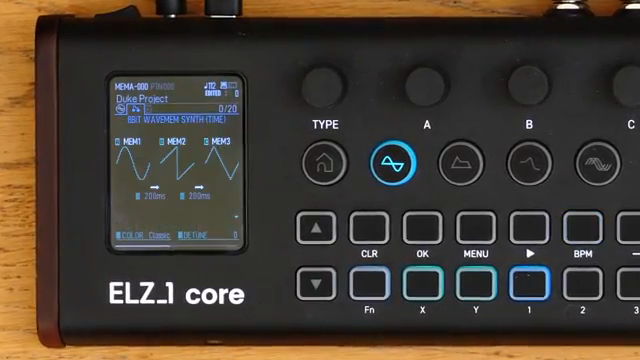
"This has got 18 synth engines and you can layer three of them at once."
© Screenshot/Quote: Starskycarr (YouTube)
Interface: Fast, Furious, Surprisingly Friendly
Despite stuffing in more features than a Swiss Army knife, the interface is a breeze. Starsky walks through the mode buttons—oscillator, envelopes, filter, effects, sequencer—making it clear you don’t need a PhD to program this thing. Five main knobs change function depending on what you’re tweaking: want to switch oscillator types, modulate filters, or dial in effects? Twist away. Everything’s laid out in a way that keeps the creative flow moving, not buried in menu hell.
Patch management is refreshingly simple, too. 512 slots, four banks, and a cheeky macro system for modulating three parameters at once. Starsky shows off quick category browsing and the three macros—each with their own modulation targets. Even deep MIDI CC mapping is sorted. This is a box that rewards both beginners and hardcore synth heads. You can build complex, evolving patches in minutes without losing your groove to endless button presses.
Build Quality: Metal Over Plastic, Core Over Play
Forget the plastic fantastic of the ELZ_1 Play—this Core version is a proper slab. Starsky calls out the weight (1.3kg), the chunky feel, and the clear move away from portable gadgets to serious desktop hardware. No batteries, no built-in speaker, no sync in/out. This thing wants to sit on your keys or in your studio rig, not in your backpack.
It’s a deliberate design shift. The Core is for players and producers who want something solid on their desk or stage, not for noodling on the bus. The fake wood sides might raise an eyebrow, but Starsky shrugs: the build just feels right, and the metal chassis gives it a premium toughness the Play never had. If you want a synth that can survive a toaster-fight in the booth, this is it.
Sonic Playground: Wavetables, FM, and Pure Chaos
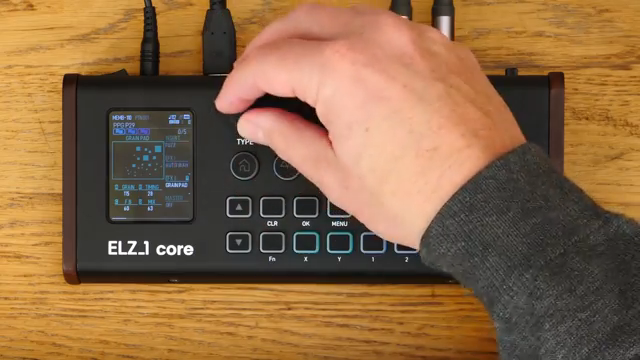
"Everything sounds really really nice."
© Screenshot/Quote: Starskycarr (YouTube)
Sound examples? Starsky unleashes the ELZ_1 Core’s full arsenal: Waldorf wavetables, gnarly FM, low-bit memory waves, custom oscillators, DNA Explorer, SiGRINDER, Karplus–Strong, and more. Each engine brings its own flavour—from punchy trance leads to disintegrating granular madness. The box can even sample its own waveforms and turn them into playable tones. Starsky builds a patch step by step, showing how quickly you can sculpt everything from thick PPG-style sweeps to metallic, experimental textures.
But here’s the kicker: the effects are just as wild. Insert, modulation, delay, and master effects let you stack reverb, chorus, grain delays, bitcrushers, and vinyl noise into proper lo-fi heaven or lush ambient washes. The sequencer and arpeggiator add even more mayhem. The sheer range is exhausting—in a good way. If you want every nuance, go watch Starsky’s patch runs. No text can do justice to the sound carnage he conjures up.
Limitations and the Real Deal
Of course, nothing’s perfect—not even a synth that feels built for rave commandos. Starsky points out a few gripes: the sequencer’s small screen makes deep editing fiddly, and some modulation options don’t go as far as you might want (no LFO rate mod by envelope—boo!). The lack of looper and speaker means this isn’t a one-box jams-on-the-go unit, but that’s not the target audience anyway.
What the Core does is focus on quality, flexibility, and a build that won’t fall apart mid-set. Starsky’s verdict? It’s a clever, inspiring little synth for anyone who needs a huge palette in a tight space—ideal for gigging, studio layering, or just getting weird. If you want the full taste, go crank up his video and let your ears decide if the Core deserves a spot in your bunker.
This article is also available in German. Read it here: https://synthmagazin.at/starsky-carr-entfesselt-den-sonicware-elz_1-core-18-engines-keine-kompromisse/
Watch on YouTube:
Latest articles
Watch on YouTube:
Visit the channel:
https://www.youtube.com/StarskyCarr
https://www.youtube.com/StarskyCarr
Links from StarskyCarr:
Patreon: https://patreon.com/starskycarr
Instagram: https://instagram.com/starskycarr
Facebook: https://facebook.com/StarskyCarrOfficial
Sponsored links:
If you purchase via these links, we may earn a small commission – at no extra cost to you. The link opens an Amazon keyword search, and results may vary depending on availability.
Sonicware ELZ_1 Core
🔗 Check price on Amazon
🔗 Check price on Amazon
Sonicware ELZ_1 Play
🔗 Check price on Amazon
🔗 Check price on Amazon