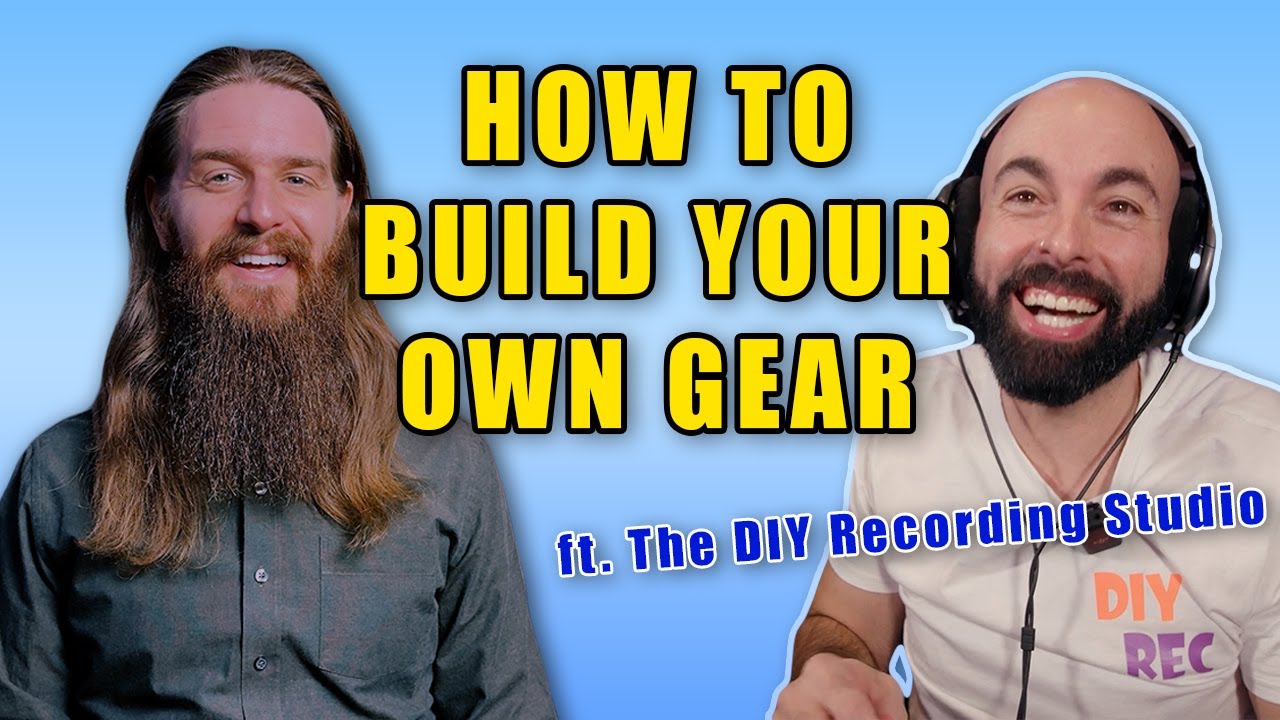
Ever wondered why music makers go gaga for soldering irons? sangstersounds, an LA-based producer, sits down with Mitch from The DIY Recording Studio to chat all things DIY audio gear. From building cables to modding guitars and even crafting microphones, this conversation is a goldmine of insights and street-savvy advice. Whether you’re a total newbie or looking to brush up on some gadget skills, this video will have you itching to create your sonic arsenal hand-in-hand with a good playlist and some solder.
3. May 2025
RILEY
sangstersounds Unlocks the Mysteries of DIY Audio Gear
Capi Gear - DIY Audio Equipment, DIYRE - DIY Recording Equipment, Link Audio Designs - SSL DIY Kits, Mic Parts - Microphone Kits, Sound Skulptor - DIY Audio Kits
Kicking Off the DIY Adventure
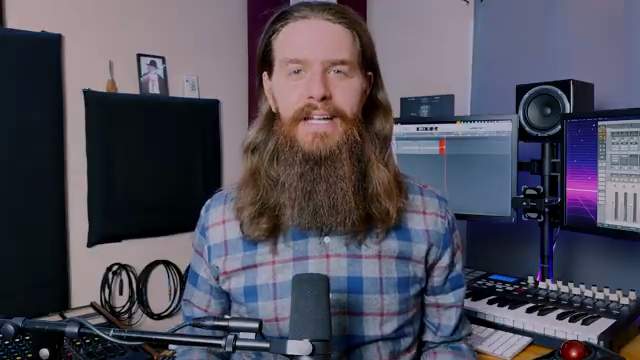
In a world where music production often feels like a high-stakes science project, Chris Sangster, better known as sangstersounds, welcomes viewers into the fascinating realm of DIY gear building. Joined by Mitch from The DIY Recording Studio, the video opens with Chris expressing his long-standing curiosity for building his own gear—a passion that’s been simmering on the back burner for far too long. The excitement kicks in as Mitch, a veritable guru on all things home studio, joins the virtual chat from Australia. He begins by sharing insights into his channel’s mission: empowering folks to tackle home studio projects by themselves. While audience members might be initially intimidated by the vastness of options and technical details, Mitch and Chris keep the vibe light and approachable, demystifying the art of soldering and gear creation for every aspiring engineer with two left thumbs.
"Hi I'm Chris Sangster and welcome back to the studio."
© Screenshot/Quote: Sangstersounds (YouTube)
The Art of Starting Simple
"The components and the parts are extremely cheap if you make a mistake."
© Screenshot/Quote: Sangstersounds (YouTube)
Ah, the humble mic cable—an unsung hero in any studio! Mitch advises that the best jump-off point for DIY newcomers is learning how to solder cables. With his laid-back Aussie charm, he emphasizes the importance of mastering this skill, likening it to getting your sea legs before setting out on an ocean voyage. For those unsure where to start, Mitch suggests gathering old cables and, with a bit of courage, starting to tinker. It’s all about practice, after all. He argues that making mistakes is part of the journey, reinforcing the idea that a botched cable isn’t a failure but a stepping stone. For those with a bit more confidence, the DIY spirit can extend to modding guitars, a process that can greatly enhance one’s axe without breaking the bank. By the end of the segment, novice viewers should feel empowered to rummage through their drawers for old gear and unleash their inner engineers.
Microphone Crafting: A Sound Investment
Building a mic from scratch might sound wilder than a late-night jam session, but Mitch shares how crafting microphones can be a rewarding adventure. Armed with a bit of experience and enthusiasm, he explains how he first got involved with mic building through micparts.com. His tales of assembling clones that rival expensive commercial options are eye-opening, revealing how DIY isn’t just about saving cash—it’s about creating something that sounds as authentic as a live set in a cramped basement. Mitch passionately describes the components and techniques involved, easing viewers into the world of circuitry and components without overwhelming them. As he recounts his first build, an impressive c414 clone, viewers are reminded that the DIY path is one where curiosity and craftsmanship meet. Making your own mic is not just about replicating sound, it’s about personalizing it, forging a deeper connection with the equipment that captures your art.
The Toolbox: Essential Gear for Beginners
What’s in your beat maker’s toolkit? sangstersounds and Mitch take a detour to showcase must-have gear for aspiring DIYers. The essentials include a temperature-controlled soldering iron—Mitch jokes about those ancient fat-tip irons we might’ve borrowed from dad’s toolbox—and thin solder that’s as crucial as a solid kick drum in a track. Alongside, the duo recommends budget-friendly gear such as ‘helping hands’ and trusty cable strippers, vital for keeping your workspace smoother than a DJ set. There’s also chuckle-worthy chatter about avoiding old uncle-level mistakes and why you should always have a pair of needle-nose pliers at the ready. As Mitch puts it, the right tools transform potential mishaps into moments of learning and creativity. These tools not only save time but also bring precision to your projects, ensuring that every XLR cable and microphone mod comes through loud and clear without any extra noise.
Deep Dive into the Sound Silverware
Exploring deeper into the realms of custom audio gear, Mitch and Sangster explore more advanced DIY projects. 500 series racks may seem like a fever dream for many novice builders, but Mitch breaks down how these components—ranging from API clones to Neve-inspired preamps—can elevate any home studio’s acoustics. He illustrates the cost benefits, noting how building your own can save serious cash compared to buying brand-new commercial gear. With a dose of realism, Mitch shares that these projects demand a fair bit of dedication but offer immense satisfaction. For those wondering where to begin, starters are encouraged to try their hands at simple preamps or EQs. By embracing the DIY ethos, viewers can create sound tools that rival those used in high-end studios, making them better music makers along the way. After all, as Mitch points out, there’s something profoundly rewarding in building gear that not only meets your needs but also reflects your unique sonic personality.
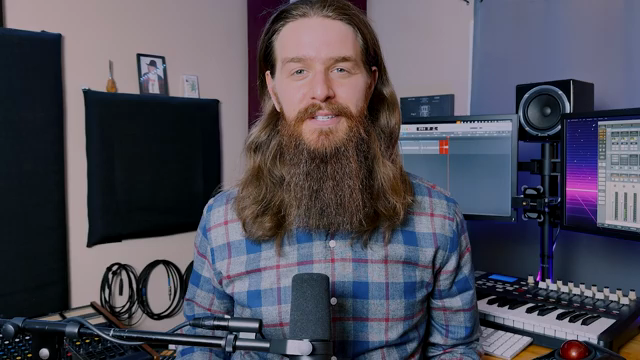
"Everyone has heard this story, you DI a bass, that sound of a bass DI;d is what you've heard."
© Screenshot/Quote: Sangstersounds (YouTube)
Nerd Out: Historical Inspirations and Modern Innovations
Channeling the DIY spirit of audio engineering legends, Mitch and sangstersounds geek out over the history and evolution of home studio gear. They draw parallels between the innovative fervor of the Abbey Road engineers and today’s home studio warriors. While past pioneers donned lab coats, today’s creators wield soldering irons and kit manuals, bridging the past and present with each build. The conversation turns to iconic brands—API, Neve, and SSL—and their profound impact on audio production. Viewers learn about the intriguing historical anecdotes and how these machines and techniques left a lasting sonic legacy. Mitch emphasizes how understanding the workings of classic gear deepens one’s appreciation and sharpens skills, whereas sangstersounds remarks on the synergy between historical knowledge and creative freedom. In a world obsessed with plugins and presets, they both argue that knowing the roots can elevate a musician’s craft.
This article is also available in German. Read it here: https://synthmagazin.at/sangstersounds-entschluesselt-die-geheimnisse-des-diy-audio-equipments/
Watch on YouTube:
Latest articles
Watch on YouTube:
Visit the channel:
https://www.youtube.com/sangstersounds
https://www.youtube.com/sangstersounds
Links from sangstersounds:
FREE DOWNLOADS!: https://linktr.ee/sangstersounds
Website: https://sangstersounds.com
Instagram: https://instagram.com/sangstersounds
Sponsored links:
If you purchase via these links, we may earn a small commission – at no extra cost to you. The link opens an Amazon keyword search, and results may vary depending on availability.
Capi Gear - DIY Audio Equipment
🔗 Check price on Amazon
🔗 Check price on Amazon
DIYRE - DIY Recording Equipment
🔗 Check price on Amazon
🔗 Check price on Amazon
Link Audio Designs - SSL DIY Kits
🔗 Check price on Amazon
🔗 Check price on Amazon
Mic Parts - Microphone Kits
🔗 Check price on Amazon
🔗 Check price on Amazon
Sound Skulptor - DIY Audio Kits
🔗 Check price on Amazon
🔗 Check price on Amazon