Make Noise Plexiphon: The mix stays put; the gate opens up the space
The Make Noise Plexiphon is a digital effects module that weaves sound together through multiple feedback paths and delay taps. Tom Erbe describes it as a compact instrument designed so its functions work together as a whole.
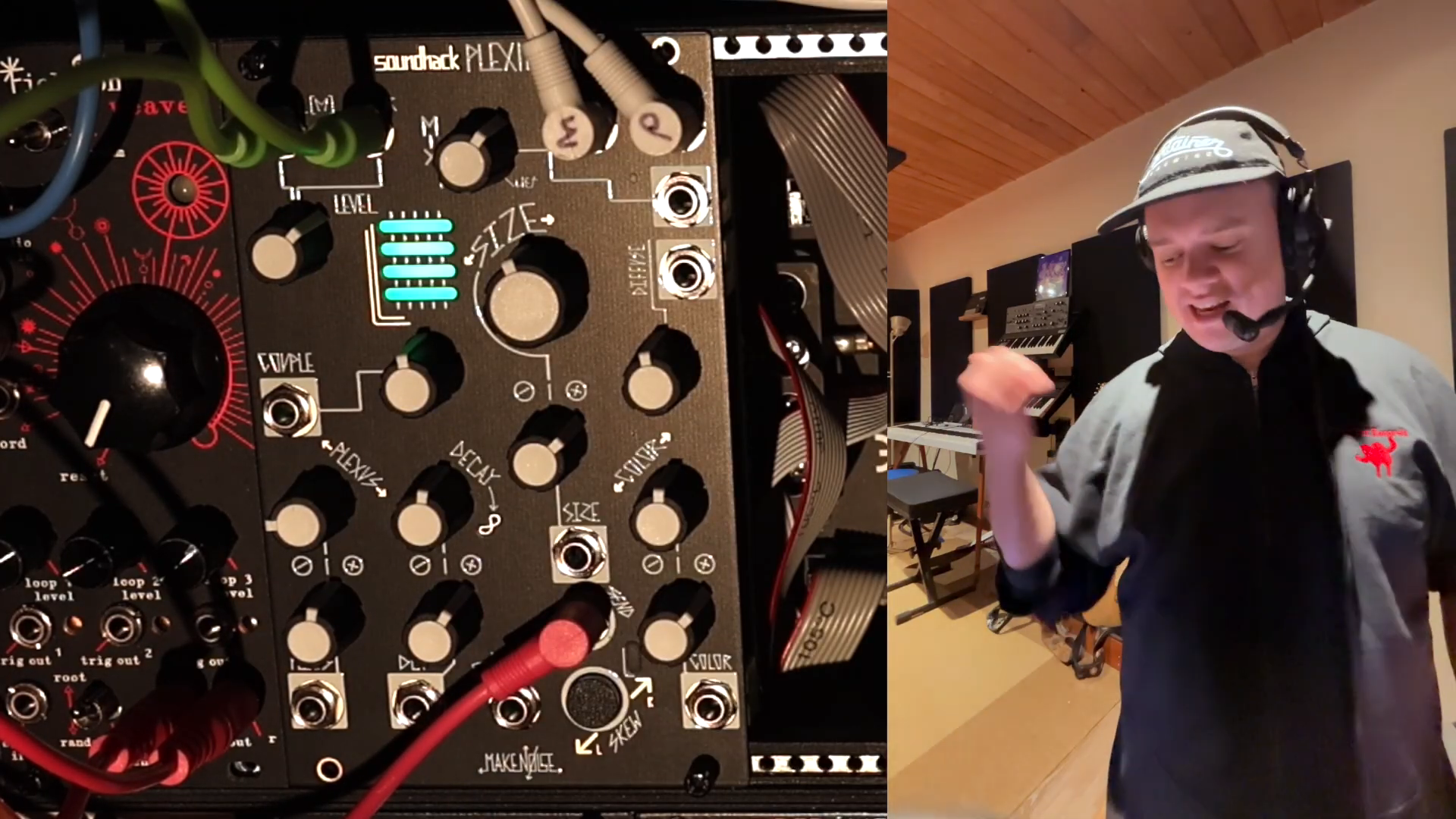
A gate can open the send input without changing the mix. tafony finds random gates especially appealing.
tafony
„When the gate is high, we can sort of send in dynamically into our plexus, so we're not changing the mix. Where send in to it whenever the gate is high. Right? Which makes for a cool effect, especially if you do random, right?“
Tom Erbe says he wanted the many functions to form a coherent instrument, rather than simply packing features into a module.
„I really like the smaller modules that have their own identity, and yeah, we can pack a lot into them, but some of the choices with packing a lot, are you going to put a lot in that sort of makes a continuous thing that all works well with each other, and that's what I tried to do with the Plexiphon.“
Sonicstate describes the concept as weaving sound through different feedback paths and delay taps.
„it is taking the idea of Plexus, which gives it its name, and that is the Latin root for weave. And what it's doing is weaving some sound together through a number of different feedback paths and what you might say delay taps.“
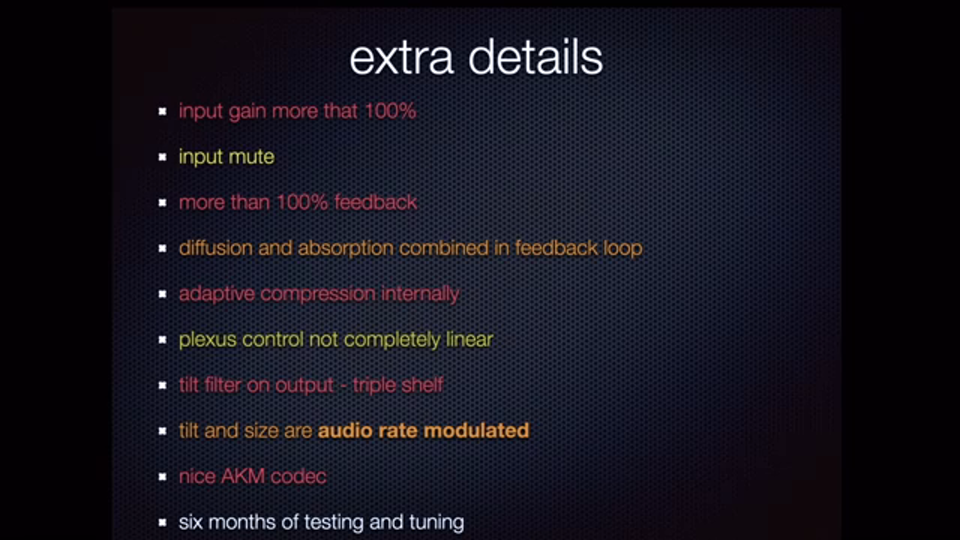
Tom Erbe values the extra boost for low-level signals. He also notes that a stronger signal can distort when the gain is turned past one.
Read the full statement
„I always like an input gain that can go past one, and I was talking to Anthony about this, that if you go past one with your gain, it distorts, you know, but if you have a small signal coming in, it doesn't distort, so for me, as a sound engineer, I want to have a little bit of boosting available,“
Reddit / r/modularPlexiphon after Mimeophon: room for both effects
Two spatial effects in a small rack: do they overlap? In one custom-built effects satellite, Mimeophon and Plexiphon stay in the same signal chain. Their owner hears them taking different roles: Mimeophon handles the delay side, while Plexiphon leans toward reverb. For this user, the practical answer to the overlap question is to use them together.
+
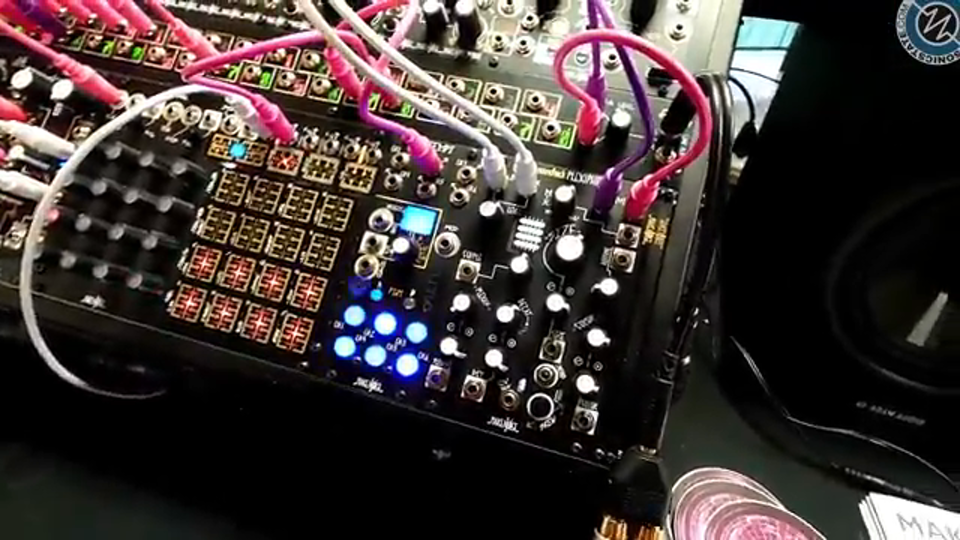
A compact 4ms Pod64x houses both Mimeophon and Plexiphon. That prompts an obvious question in the replies: do the two effects overlap sonically? Their owner describes them as clearly different and finds that they work well together. The distinction is straightforward: to this user, Plexiphon is more on the reverb side, while Mimeophon is more on the delay side.
Asked about the setup, the owner also lays out the signal path. A 0-Coast goes first through QPAS, then Mimeophon, and finally Plexiphon. The two effects are indeed connected in series, with Plexiphon receiving the signal after Mimeophon.
The small case serves as an effects satellite for a larger 7U rack. Despite the compact format, the owner gives both modules a place. In this described setup, their roles complement each other enough to use them together.
Now Plexiphon is all about basically steering your stereo image across this delay network that kind of ends up being like a reverb, however, way weirder than I expected, and for that reason I'm finding really liking it on drums and having a hard time getting some sort of sounds I'm loving on synth voices.
From: Rambling About: Make Noise Plexiphon with tafony
bigger matrix equals more density, so as soon as I make the matrix bigger, things are going to get denser more quickly, and it's going to act more like, it's going to have a more spacious, more diffuse feel, very, you know, very quickly,
But if I send a gate in, then whatever is coming through at that moment that the gate is high will be sent in and then continue to echo out through the, through the paths.
From: Make Noise: Soundhack Plexiphon - Superbooth 2026