Hologram Electronics Chroma Console: Clean sounds sometimes need a little patina
The Hologram Electronics Chroma Console is a hardware multi-effect with 20 effects across four columns, as one creator describes it. The quotes present it as a tool for tonal color, deliberately unstable textures and effects routing in a mix.
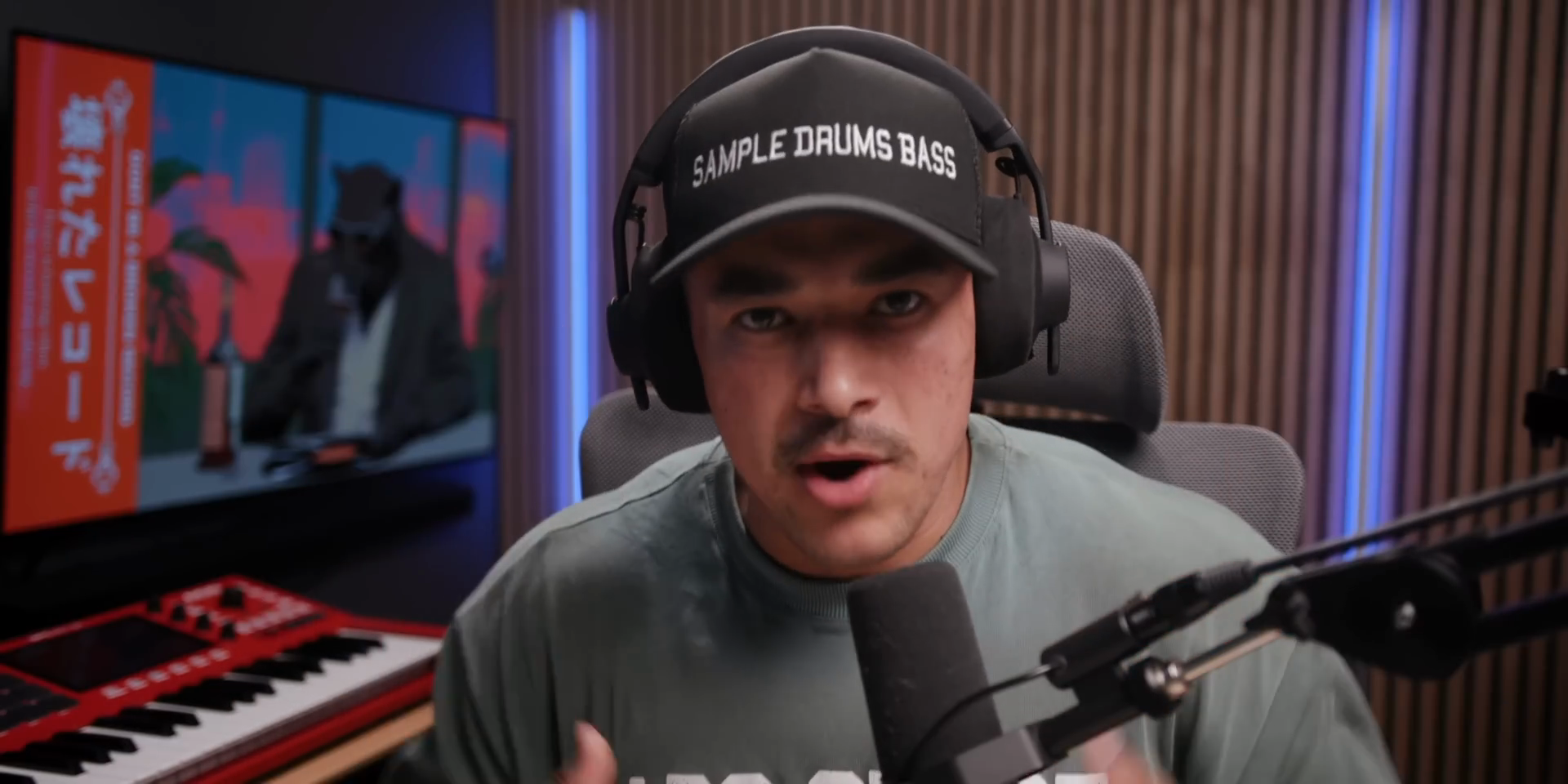
A synth can feel too polished in a sample-based beat. MALO BEATS describes using vibrato, cassette, squash and a touch of space to bring it closer to the sampled record.
MALO BEATS
„I'll run that synth or that plug-in instrument through Chroma Console, and I start adding some vibrato, some cassette, some squash, a little bit of space, and it starts to make that clean sounding signal almost blends as if it was also part of the record.“
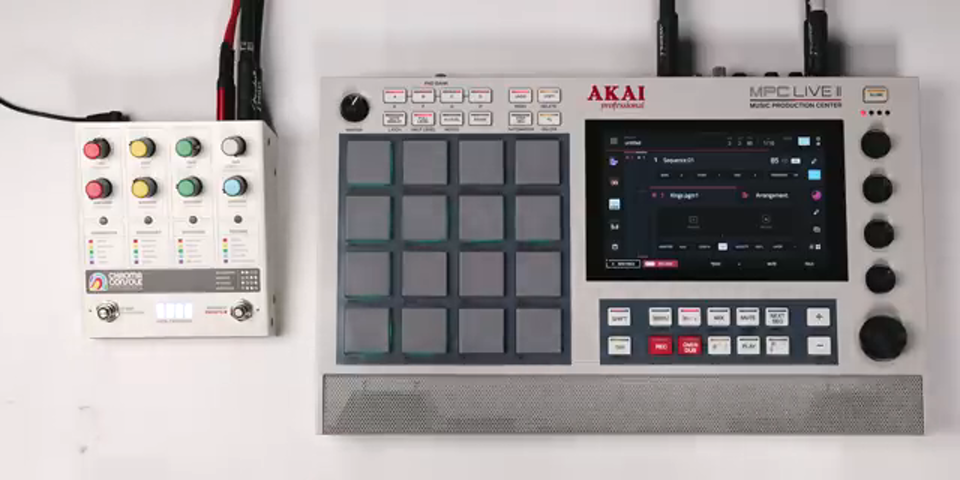
MALO BEATS outlines his signal path: he sends the MPC mix through outputs and inputs 1 and 2, then records the processed signal through his audio interface.
„if I add this on this master signal chain and send my entire mix out of outputs one and two in to the inputs one and two, I'm able to hit it with some of these character settings or texture settings, adjust the amount of effect that I want where I feel it's desirable and then once I'm happy with that signal, the signal will come out of the Chroma Console into my interface and I'll be able to print my mix just the way I want it with the sound of the Chroma Console.“
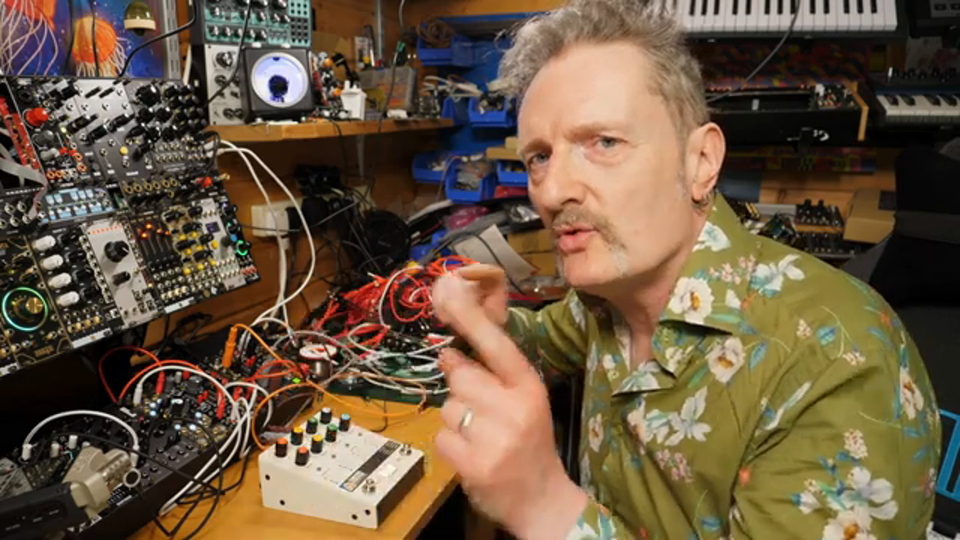
Robin of Molten Music Technology sees Drift as a defining tool: in his view, the control emphasizes the deliberately designed aging and instability effects.
„It's drift, which is most important, because you will find in every sound, in every effect, there's a certain amount of crappiness going on. Deliberate circuit designs, emulations of things just starting to fade and fall over. And the drift control really emphasizes that.“
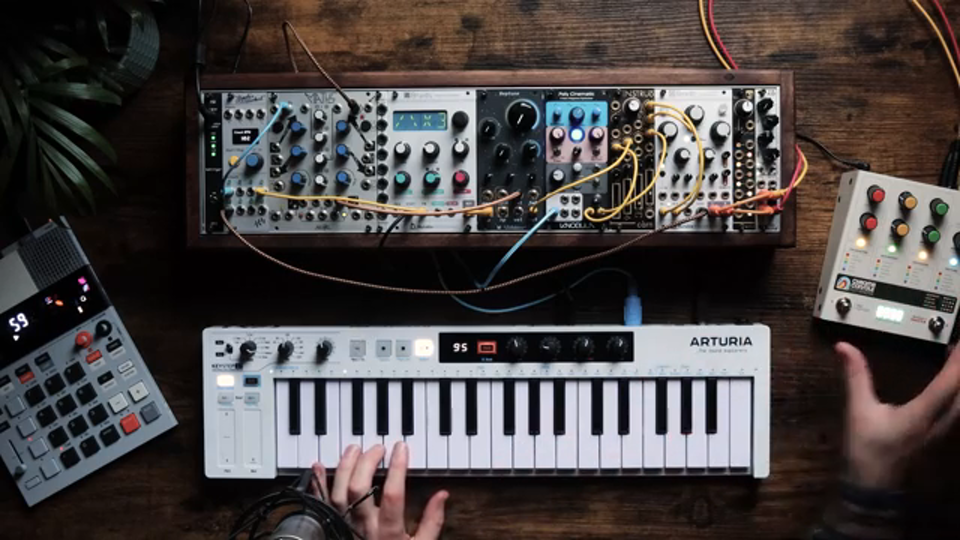
Ali of The Unperson sums up his perspective as a “vibes box”: to him, it is a hardware unit for running instruments through to add character, saturation, warmth and wobble.
Read the full statement
„I kind of think of it more as just a sort of a vibes box. It's a hardware box that you can run your instruments through and add character and saturation and warmth and wobble and all of the kind of stuff that I'm always trying to achieve anyway.“
Reddit – r/synthesizersDub delay, with kick and bass kept clear
A Digitakt track gets spatial depth from the Chroma Console’s dub delay, while kick and bass stay out of the effect. The producer routes the other elements through Ableton and praises the stereo image and the repeats’ pleasantly restrained feedback on this track.
+
The key to this effects path is an exception: kick and bass do not go into the Chroma Console. A producer routes the other elements of a Digitakt track through the pedal using Ableton’s external audio effect. The selected effect is the yellow-marked Dub Delay in the Diffusion section. In the producer’s description, its spatial depth, stereo image and unobtrusive feedback suit this track just right.
The source material includes a chopped, reversed Rhodes sample across two tracks, as well as textured percussion. Those sounds are part of the processed signal, while the low end is left out. The musical separation is clear in the routing: space for the upper layers, with a separate path for kick and bass. Most of the mixing happens in the Digitakt; Ableton provides the connection to the external pedal. The effect boundary is deliberately drawn within the arrangement.
Read the discussion ↗Reddit – r/teenageengineeringRoute the processed sound back to the OP-1 tape
A photo of an OP-1 Field and Chroma Console prompts a practical addition: the processed signal could be recorded back onto virtual tape. One commenter outlines splitting the pedal’s output for monitoring and recording. The destination track should be muted to prevent feedback.
+
The combination of an OP-1 Field and Chroma Console raises a practical recording question: how do you get the pedal’s sound back onto virtual tape while listening to it? One commenter suggests splitting the Chroma Console’s output. One branch goes to headphones or speakers, and the other returns to the OP-1’s line input. A mixer is suggested as an alternative to a splitter.
For recording, the OP-1 should use its line input. In response to a follow-up, the commenter clarifies that the signal being recorded is the one returned from the pedal. An added instruction concerns the destination track: it should be muted to avoid feedback. When playing back the recording, the Chroma Console should be bypassed. The suggestion therefore describes a complete route from instrument through the effect and back into the recording, including monitoring and playback.
I always like to set up my input to see how hot I'm hitting this guitar pedal because that's going to determine on how the squash will react, how this audio is being triggered.
From: Chroma Console + MPC Live 2: My Complete Signal Chain & Effects Setup
I know that cassette emulation is kind of done to death these days but I actually love it it's still probably one of my favorite effects and I use it on everything so it's really nice to have a hardware cassette emulation.
From: Chroma Console - Hologram Electronics. TOTAL VIBES!
It's like you've put on a slightly warped record, or you've dug out some cassettes from the back of the cupboard and put those on. It has this vintage vibe which is very, very pleasing, very immediate.